
Responsible Specifying Toolkit
Circular Economy
Circular Economy
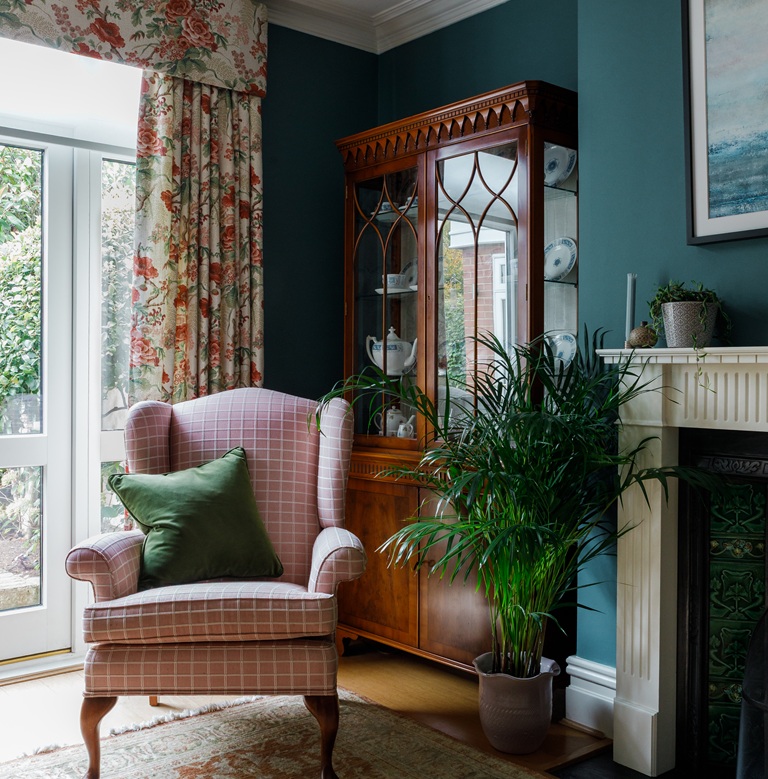
The circular economy is a regenerative design framework that seeks to eliminate waste by keeping products, materials and resources in continuous use while supporting the restoration of natural systems. Unlike the traditional linear model of 'take, make, dispose', it considers the full lifecycle of the built environment through strategies such as designing for longevity, adaptability, maintenance, repair, reuse, refurbishment and, ultimately, recycling. By adopting circular principles, interior designers can help reduce resource consumption, minimise embodied carbon and waste, and contribute to a more resilient and sustainable built environment.
Three Key Principles
- Eliminate Waste & Pollution
- Circulate Products & Materials
- Regenerate nature
Facts
- The built environment is responsible for around 40% of global carbon emissions and is one of the largest contributors to climate change (source).
- Construction, demolition and excavation activities generated 66% of England’s total waste in 2024, making the sector the largest source of waste by volume (source).
- Nearly 22 million small items of furniture are discarded each year in the UK when they become damaged (source).
- Around 700,000 tonnes of furniture are collected as waste by UK local authorities each year. Despite significant potential for reuse and repair, large quantities of usable furniture continue to enter the waste stream (source).
- Decisions made at the earliest stages of design have the greatest influence over a project’s embodied and whole-life carbon impact. Early consideration of material use, adaptability, flexibility, reuse and disassembly can therefore significantly reduce environmental impacts across a building’s lifecycle (source).
- Applying circular economy principles to the built environment could reduce global CO₂ emissions from building materials by 38% by 2050, through reduced demand for steel, aluminium, cement and plastic (source).
The Circular Economy is an umbrella term that covers many different models. Five models are listed below:
1. Product Life Extension
Designing For Longevity
One of the most important principles of the circular economy is extending the lifespan of products and materials. Rather than specifying items that are likely to be replaced within a few years, designers can prioritise durability, timeless aesthetics and high-quality construction. This approach encourages investment in products that can be repaired, refurbished or adapted over time. A well-designed interior should be able to evolve with changing client needs without requiring a complete refurbishment.
Reuse, Refurbish and Repurpose
The most sustainable product or space is one that already exists. Before specifying new materials, designers should assess opportunities to retain and repurpose existing elements within a project. Existing joinery, furniture, lighting and architectural features can often be refurbished, reupholstered or reconfigured. This not only reduces waste but can also preserve character and create unique design outcomes.
Key Points
- Physical durability: Combining material choices and construction methods that resist damage over long periods of time, creating highly durable products
- Emotional durability: Avoid trend-led specifications with short life cycles
- Design flexible spaces that can adapt to future change and needs
- Consider maintenance requirements at the specification stage
- Reuse or reinvent existing products as part of your schemes
- Look to incorporate vintage or upcycled pieces within your projects
- Design with future disassembly in mind
2. Resource Recovery
Waste
The construction industry accounts for a significant proportion of the world’s waste, generating about one-third of it annually. The extraction and transportation of approximately 100 billion tonnes of raw materials going into the construction sector contributes to biodiversity loss and resource depletion. Additionally, a considerable proportion of these extracted resources eventually ends up as waste, further intensifying environmental impacts. ‘Monstrous hybrid’ is the term for a complex or permanent fixed group of materials that cannot be disassembled - therefore have no high value opportunities for reuse.
Material Lifecycle
Post-Consumer Material – Recycled material recovered after it has been used by the end user, such as recycled plastic bottles, cardboard packaging or electronic waste.
Pre-Consumer Material – Material diverted from the manufacturing process before reaching the consumer, such as fabric offcuts, timber waste or production by-products. This excludes materials that are simply reused within the same manufacturing process.
Key Points
- Waste reduction If your project is a new build, ensure there is a waste plan set up and that all project parties are committed to reducing waste. If it is a refurbishment/fit-out project, can an audit be carried out on site to begin with to understand what materials and furniture are in the building that could be re-used/ repurposed.
- Circular economy suppliers Look at working with sustainable suppliers who can recycle/repurpose materials and furniture into upcycled furniture or kitchens, and who use circular economy processes.
- Develop strong designs that utilise the materials to reduce waste and will stand the test of time - avoiding things being ripped out and replaced quickly.
- 'Monstrous hybrids' Avoid composite materials that are difficult to separate and recycle.
- Packaging reduction or reuse When specifying FF&E items, investigate the packaging that items will come delivered in.
- Calculate accurately Only order the right number of items.
- Segregate waste Use a skip for proper segregation and ensure the company collecting is sorting waste properly - recycling where possible.
- Duty of care legislation Ensure the waste carrier is licensed - check the register here.
- Measure the amount of waste on your project and monitor throughout.
- Waste stream exchanges join a trading system with other organisations where ‘waste’ materials are listed and passed on to keep materials in use.
- Energy recovery waste streams of no high value can be directed to energy recovery.
3. Circular Supplies
Materiality
Truly natural, non-oil derived and regenerative materials - or recyclable materials fit with the definition of Circular Supplies. Material choices play a critical role in supporting a circular economy. Designers should consider not only aesthetics and performance but also the environmental impact of sourcing, manufacturing and end-of-life disposal. Preference should be given to renewable, recycled and recyclable materials, as well as products supported by transparent environmental data. Understanding a material's full lifecycle helps inform more responsible specification decisions.
Material Health and Toxicity
When specifying products and materials, consider their impact on human health and the environment throughout their lifecycle. Check for harmful chemicals, VOC emissions and potential release of pollutants during use, maintenance or disposal. Prioritise products with transparent ingredient information, low-emission certifications such as Greenguard and healthier alternatives where available. Consider guidance from standards including the WELL Building Standard, Fitwel and Building Biology to support healthier interior environments.
Key points
- Choose non toxic materials, preferably biomaterials that can be re-used in the future or will biodegrade. Be aware that some materials cannot be broken down in the environment and will need specific treatment
- Circular supplies: Specify accredited sustainably sourced natural materials or those with recycled content
- Third party certification: Choose products with recognised environmental certifications.
- Go local: Consider local sourcing to reduce transport impacts
4. Sharing Platforms
Sharing platforms challenge the concept of ownership. Can products, spaces - or services (and other assets) be shared access? These sharing platforms have the potential to minimises resource waste and instead utilises libraries (physical or online). Underused spaces can be shared or be designed for multiple uses to make them their most useful.
5. Product as a Service
Here the model is to pay for use rather than for ownership. Businesses retain the ownership of a product - but sell the use or function of it - and provide servicing whilst being used. In the interior design industry this could include renting appliances including white goods, equipment or even illumination.
Resources
- Ellen MacArthur Foundation
Circular economy:: http://www.ellenmacarthurfoundation.org/topics/circular-economy-introduction/overview
EMF intro video: https://youtu.be/zCRKvDyyHmI?is=6kjrLqhLXWg5gbXH - UK Green Building Council (UKGBC): https://ukgbc.org/
- Circular Economy Institute Circular Economy Institute: https://ceinstitute.org/
- Royal Institute of British Architects (RIBA) Sustainable Outcomes Guide RIBA Sustainable outcomes guide: https://www.riba.org/work/insights-and-resources/sustainable-outcomes-guide/
- WRAP (Waste & Resources Action Programme): https://wrap.ngo/
- Circular economy: https://ceinstitute.org/
- Introduction to Passivhaus: https://biid.org.uk/introduction-passivhaus
- Ethical sourcing: https://biid.org.uk/quickfire-series-ethical-sourcing
- Disposing of POP waste: https://biid.org.uk/resources/disposing-pop-waste-what-interior-designers-should-know
- Circular Economy hub: https://circulareconomyhub.lovable.app/hub
- EMF Video: https://youtu.be/zCRKvDyyHmI?is=6kjrLqhLXWg5gbXH
Animal Welfare
Animal Welfare
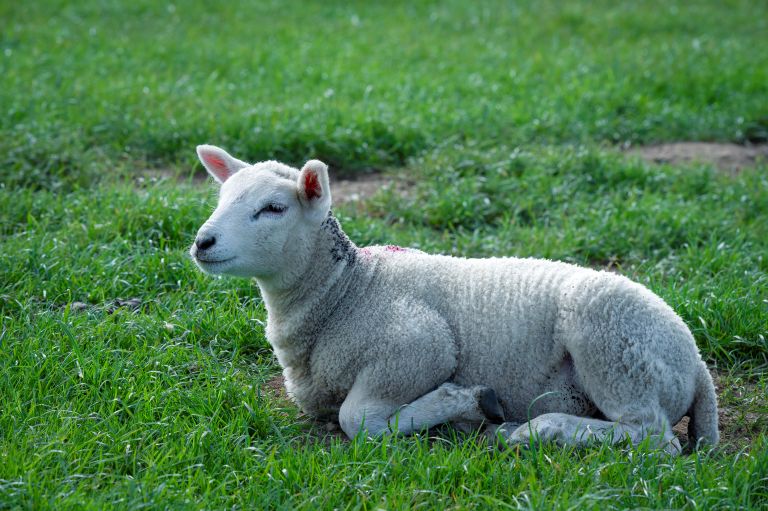
Environmental sustainability, ethical labour practices, and animal welfare are, in many cases, tightly intertwined: where animals are being treated poorly, people and ecosystems often are too.
Animal welfare is not a consideration that stops at food or fashion. Interior design involves a remarkably wide range of animal-derived materials, many of them hidden, unlabelled, or so embedded in traditional practice that they go unquestioned.
From obvious materials choices such as leather upholstery and wool rugs, to the less visible, such as hide glue in antique furniture, bone char in ceramic glazes, or shellac in wood finishes, our interior spaces can carry a significant animal welfare footprint.
When a material becomes commercially popular, the usual response is to scale up production and cut costs, and where animal products are concerned, that pressure is a primary driver of factory farming, an intensive model that falls short of the internationally recognised Five Freedoms of animal welfare. It is also environmentally costly: intensive livestock farming is linked to land clearance, water pollution, and significant greenhouse gas emissions. Ethical sourcing certifications can meaningfully reduce this impact, but plant-based and non-animal materials remain the only guarantee of a cruelty-free specification.
As designers, we are not required to eliminate all animal-derived materials, however we are well placed to ask better questions, make clients aware of the choices that they are making, and recommend more compassionate, ethical and lower-impact alternatives where they exist. The more we request environmentally-friendly, cruelty-free alternatives, the more likely such products are to be researched, developed, and brought to market, reducing pressure on both animals and the environment.
The Freedoms of Animal Welfare
The Five Freedoms are the internationally recognised standard of care for animals under human control, developed in 1965 by Britain's Farm Animal Welfare Council. They provide a useful benchmark against which to measure any animal-derived material's supply chain:
- Freedom from Hunger and Thirst - ready access to fresh water and a diet appropriate to the animal's needs
- Freedom from Discomfort - an appropriate environment, including shelter and a comfortable resting area
- Freedom from Pain, Injury and Disease - prevention, rapid diagnosis, and treatment
- Freedom to Express Normal Behaviour - sufficient space, proper facilities, and company of the animal's own kind
- Freedom from Fear and Distress - conditions and treatment that avoid mental suffering
Intensive or factory farming, by its nature, struggles to meet these freedoms — and it's this model, rather than animal-derived materials as such, that drives most of the welfare concerns detailed in this section.
Facts
- Animal-derived materials appear across virtually every category of interior specification and the construction supply chains, often hidden in standard manufacturing components.
- When we specify animal-derived materials, the environmental damage starts long before the product reaches us. Raising livestock for leather, wool, and down requires vast amounts of land. Land that was often forest, wetland, or natural habitat before it was cleared.
- Producing animal-derived materials is highly water-intensive. The vast majority of this water footprint (~98%) does not come from direct animal drinking or processing, but from growing water-heavy feed crops like corn and soy. SOURCE
- Harvesting marine species such as coral, shell, and stingray depletes ocean ecosystems.
Visible Animal-Derived Materials
- Wool - used in carpets, rugs, upholstery, and soft furnishings. Also used as upholstery filling and insulation. Shearing practices and farm conditions vary widely and are rarely disclosed at point of sale. Mulesing (a controversial surgical procedure that removes wool-bearing skin from sheep) remains common in some Australian and South American flocks.
- Leather and hide - used in upholstery, wall coverings, flooring, and accessories. Sourced from cattle, sheep, pigs, goats, and in some markets, horses, dogs, and exotic species. Chrome tanning, the dominant industrial process, carries significant environmental and health concerns. The country of origin also matters: animal welfare protections vary enormously.
- Down and feathers - used in furniture cushions, bedding and soft furnishings are typically derived from geese and ducks in intensive farming, in the worst cases involving live plucking.
- Silk - used in curtains, cushions, carpets, rugs and wallcoverings. Produced by boiling silkworm cocoons killing the larvae inside. Silk is often sourced from countries with limited labour and welfare regulation.
- Cashmere, angora, and mohair - luxury fibres associated with significant animal welfare concerns including painful shearing practices, particularly in angora rabbit farming.
- Exotic and specialist animal skins - Crocodile. Alligator, and Stingray (Shagreen) are commonly used in luxury Interior Design. PETA estimates that for every animal legally killed in this trade, another is illegally poached. Ostrich is farmed intensively in some regions, whilst Python, other snakes and Lizards are CITES listed. Legality depends entirely on species, always verify and request documentation.
- Fur - Animal fur is used in trims, throws and cushions, sourced mainly from farmed mink, fox, rabbit, and raccoon dog, with a smaller share from wild-trapped species such as coyote and beaver. Fur farming is banned in the UK, but imported fur is not restricted. Modern faux fur (acrylic, polyester, modacrylic) avoids the welfare and slaughter concerns of farmed and trapped fur, and is now common in high-end interiors. However this is reliant on petrochemicals and sheds microplastics. Recycled-content and plant-based alternatives are emerging but traceability varies, request documentation at specification stage.
Less Visible and Hidden Animal-Derived Materials
- Paints - some contain animal-derived ingredients including casein (from cow's milk), shellac, beeswax, and ox gall. The paints themselves may have been tested on animals at ingredient level under REACH regulations. Always ask suppliers about both content and testing status. (See Paint, Varnishes and Adhesives section)
- Glue & Adhesives - Traditional adhesives such as hide glue and bone glue are derived from animal bones, skin, and connective tissue and are still used in antique furniture restoration, and joinery. Casein Glue derived from milk protein is used in some woodworking and laminating applications.
- Shellac - a resin secreted by lac insects, used as a wood finish, surface sealant, and in some ceramic glazes and paints.
- Beeswax - used in some furniture polishes, wood treatments, and fabric finishes.
- Animal-based dyes - cochineal (from scale insects, producing red and pink hues) is still used in some fabric dyeing. Tyrian purple, historically from sea snails, has modern equivalents; it is worth asking suppliers about dye sources for vibrant reds and pinks in particular.
- Horsehair - used as a traditional filling in upholstered furniture, mattresses, and as a weaving fibre in some fabrics. Still specified in high-end bespoke upholstery and restoration work. Also used in brushes and instruments.
- Paint brushes and rollers Bristle paint brushes are commonly manufactured using hog and badger hair, whereas wool rollers are widely used by decorators. Artist paint brushes often use hair from various other animals, including mongoose, pony, squirrel, sable, wolf, goat, ox, camel, raccoon, and rabbits.
Protected Endangered and Legally Restricted Materials
- Tortoiseshell - Genuine tortoiseshell, derived from the hawksbill turtle, has been banned internationally since 1977 under CITES. New ivory trade has been banned in the UK since 2018, with very limited exemptions.
- Ivory - The sale of Ivory has been banned in the UK since 2018 under the Ivory Act, with very limited exemptions for antiques with a high degree of artistic importance. When sourcing antique pieces, designers should be aware of their legal obligations and verify provenance carefully.
- Horn - Buffalo and cow horn remain legal and are widely used in decorative objects, handles, and inlay work. Antler is also often freely traded in the UK, However, antler and horn from endangered and protected species including rhinoceros is strictly illegal. Always verify species.
- Mother of pearl and shell - This is generally unprotected, but sourced from molluscs and often harvested in ways that affect marine ecosystems. Natural alternatives are widely available. Such as Corozo, the ‘vegetable ivory’. SOURCE
- Coral - real coral is protected under CITES. Avoid specifying decorative coral pieces unless provenance can be clearly established as pre-ban. Many convincing alternatives in resin and stone exist.
Key Points
- Before specifying any animal-derived material, ask yourself whether an alternative exists that performs equally well. Where one does, present both options to the client with the relevant information.
- For down and feathers, look for Responsible Down Standard (RDS) or Global Traceable Down Standard (GTDS) certification, or specify recycled down or plant-based alternatives such as recycled polyester fill.
- For leather, consider the country of origin and tanning method. Vegetable-tanned leather from certified European tanneries carries a lower environmental and welfare footprint than chrome-tanned leather from unregulated sources. Also explore leather alternatives made from plant-based or waste materials, mushroom leather, cactus leather, and fruit-waste leathers are increasingly available and commercially viable.
- As a specifier, you hold more influence than you may realise. Use it. Ask suppliers directly what animal-derived materials and processing aids are used at every stage of production: from raw material extraction through manufacture, finishing, and packaging. Hold them accountable for the full impact of their product, through to its end of life. Where full disclosure is not available, say so clearly and request it. A supplier who cannot or will not answer these questions is telling you something important.
- Encourage suppliers to adopt cruelty-free and vegan labelling. Requesting clear, independently verified vegan and cruelty-free labelling and making purchasing decisions that reward suppliers who provide it. This sends a clear market signal that transparency matters. The more designers ask, the faster the industry will move.
Resources
- The Vegan Society: trademark certification for vegan products: vegansociety.com
- PETA: approved vegan home products list: peta.org.uk
- Four Paws: animal welfare guidance on wool, down, and leather: four-paws.org
- Responsible Wool Standard: textileexchange.org/standards/responsible-wool
- Responsible Down Standard: responsibledown.org
- GoodWeave: ethical rug certification: goodweave.org
- CITES: Convention on International Trade in Endangered Species: cites.org
- UK Ivory Act 2018 guidance: gov.uk/guidance/ivory-act-2018
- Wildlife and Countryside Act 1981: https://www.legislation.gov.uk/ukpga/1981/69/contents
- International Vegan Interior Design Association (IVIDA) was established to encourage greater transparency around animal-derived materials in interiors and advocates for clearer labelling of products marketed as "vegan" or "natural". See 2025 Press Release here: https://www.linkedin.com/pulse/press-release-immediate-may-2025-international-vegan-interior-desig-nexee/?trackingId=WhbFzxomccvf74%2BdZLT1SA%3D%3D
- British Institute of Interior Design (BIID). (2025). Designing with Vegans in Mind. https://biid.org.uk/resources/designing-vegans-mind
Textiles
Textiles
Textiles sit at the heart of almost every commercial and residential interior — upholstery, wallcoverings, window treatments, carpets and soft furnishings. The category spans an enormous range of sources, from cotton and linen to leather, wool and recycled polyester, each carrying a distinct environmental and social footprint. Specifying responsibly means understanding not just the fibre itself, but how it was grown or extracted, processed, treated and, eventually, disposed of.
Facts
- Conventional cotton is water- and pesticide-intensive; organic cotton uses around 91% less water, according to the Soil Association.
- Flame-retardant chemicals applied to upholstery and window treatments can raise material health concerns for occupants and installers.
- Forced and child labour has been documented in cotton and fabric production in several countries, including China (Xinjiang), India, Pakistan, Turkey and Uzbekistan, per the U.S. Department of State.
- Chrome 6 tanning, used in most leather production, can oxidise into carcinogenic hexavalent chromium if not properly managed, and roughly 0.5–0.6% of people have a chromium VI allergy.
- Livestock farming for leather and wool carries animal welfare concerns, a high water and carbon footprint, and associated deforestation contributes to biodiversity loss.
Key Points
Consider the key points in the following areas:
Plant Fibres
Broad plant sources
Cotton, hemp, jute, bulrush, flax (linen), bamboo, calotropis
Certifications
Look for third party verification- GOTS or Soil Association certification for pesticide-free, GM-free cotton with social and chemical safeguards.
Water footprint
High water use for the growing and production of some fabrics such as non-organic cotton.
Pesticide use
Pesticides are fossil fuel derived, contribute to greenhouse gas emissions and impact biodiversity.
Toxic chemical use
Consider the use of bleaches, dyes, inks and pigments used. Toxic flame-retardant chemicals are often applied to materials for furnishings.
Forced labour and forced child labour
Has been reported in cotton production.
Better Cotton Initiative
Indicates improved farming practices and livelihoods, though it is not a full organic standard.
Other lower-impact alternatives
Hemp and flax are lower-impact alternatives, needing less water and fewer chemical inputs.
Organic sources
Use significantly lower water and pesticide use; typically better working conditions and chemical safety under certification schemes such as GOTS. Sometimes it is a higher cost as lower yields can mean more land use per unit of fibre; organic status alone doesn't guarantee low-impact dyeing, finishing or fair labour further down the supply chain.
Animal Products
Animal based fibres
Wool can be from sheep, but also alpacas, llamas, cashmere goats, and Angora rabbits. Seek Responsible Wool Standard certification for verified animal welfare and traceability.
For leather
Ask which chrome tanning process is used, and whether vegetable-tanned or chrome-free alternatives are available. Avoid Chrome 6 see CHEMICALS section. Consider leather alternatives made from food waste (fruit, vegetables, seafood shells, coffee grounds), mycellium, cactus or cork while avoiding petrochemical-heavy substitutes that simply shift the problem to those around use of fossil fuels.
Animal hair
Horsehair, goat and yak is still used in traditional upholstery, and felts.
Paint brushes
Badger and hogs hair can still be found in paint brushes. Wool is still used for paint rollers. Check it isn't mislabelled as synthetic.
Emissions
Animal fibres and skins are by- or co- products of the meat industry in most cases, so their carbon and land footprint is tied to animal agriculture more broadly, including feed production and emissions.
Processing
of ‘natural’ animal products still requires chemical processing - washing, sterilising and sometimes bleaching, which can release effluent containing detergents and disinfectants into waterways if not properly treated.
Down and feathers
Down and feathers, typically goose or duck, are used in cushion and upholstery fillings. These are often perceived to be harmless by product, but can be found to involve animal cruelty and rough handling. Dust and allergens from feather processing can affect worker respiratory health; ask whether facilities meet recognised occupational safety standards. Could be problematic for allergy sufferers using the products. Cruelty-free alternatives: kapok, organic cotton, hemp fibre, lyocell. bullrushes, bamboo fibre, buckwheat hulls, algae base foam. Recycled PET fill is widely available but carries the same microfibre-shedding caveat as other synthetics.
Live plucking
Animal welfare concerns include live-plucking of down and live harvesting of angora and cashmere. Seek alternatives - launder and reuse - or use plant fibre alternatives. Use the Responsible Down Standard (RDS) prohibits both and requires traceability back to parent farms.
Synthetic and recycled fibres
Recycled PET from bottles is common in acoustic panels and cushioning, but sheds microfibres when laundered, contributing to waterway pollution — avoid specifying recycled content in washable fabrics.
Ask for the percentage of recycled content and whether it's post-consumer or factory waste.
Global Recycled Standard (GRS) verifies recycled content claims for textiles.
Material health
UK flammability regulations
Often require chemical fire retardants on upholstery.
- Ask suppliers: Can this fabric be supplied without added fire retardant?
- If required, which specific chemicals are used, and are they assessed as safe for occupant and installer health?
- Is a natural fire-retardant option, such as Coex, available and suitable for the application?
Chromium VI
Or Chrome 6 - used in the leather tanning process and pigment manufacturing (and metal finishing) can have allergy effects on a small but significant proportion of the population.
VOC emissions
Can arise from chemical treatments applied even to natural fibres (fire retardants, pest control, stain resistance) — ask for GreenScreen or OEKO-TEX certification to verify safe chemical use.
Allergies
Feather and down can be problematic to allergy sufferers.
Discomfort
Autism, Sensory Processing Disorder (SPD) and Neurodivergent individuals may find scratchy textures physically uncomfortable or overwhelming due to sensory sensitivities. Wool can be scratchy for those with psoriasis or rosacea, fibromyalgia, neuropathy, babies and young children. Alternatives: bamboo, cellulose, cotton.
Cutting and handling
Dust from cutting or handling hair-based textiles should be managed with extraction and appropriate respiratory protection on site.
Circularity and End of Use
Untreated natural fibres
Will compost safely or biodegrade.
Fabrics - even if natural
but then blended with synthetic binders, latex or chemical finishes are usually then unsuitable for safe composting and are harder to recycle.
End of life
Ask retailers and manufactures what happens to the product at end of life, and whether take-back or recycling schemes exist.
RESOURCES
- Textile Exchange: Responsible Materials: https://textileexchange.org/materials/
- Collective Fashion Justice - Next Generation materials guide: https://www.collectivefashionjustice.org/material-guide
- International Vegan Interior Design Association (IVIDA) - established to encourage greater transparency around animal-derived materials in interiors and advocates for clearer labelling of products marketed as "vegan" or "natural". See 2025 Press Release here: https://www.linkedin.com/pulse/press-release-immediate-may-2025-international-vegan-interior-desig-nexee/?trackingId=WhbFzxomccvf74%2BdZLT1SA%3D%3D
- British Institute of Interior Design (BIID). (2025). Designing with Vegans in Mind: https://biid.org.uk/resources/designing-vegans-mind
- British Institute of Interior Design (BIID). Sustainability Hub: https://biid.org.uk/about/sustainability
- International Energy Agency (IEA) (2023). Buildings. Background on sustainable building materials and insulation: https://www.iea.org/topics/buildings
- European Industrial Hemp Association (EIHA) (n.d.). Technical information on hemp fibre applications: https://eiha.org
- Responsible Wool Standard (Textile Exchange) for ethically sourced wool and animal hair: https://textileexchange.org/responsible-wool-standard/
- Food and Agriculture Organization of the United Nations (FAO) – Livestock and Sustainability: https://www.fao.org/home/en/
- United Nations Environment Programme (UNEP) – Sustainable Consumption and Production: https://www.unep.org/explore-topics/resource-efficiency/what-we-do/sustainable-consumption-and-production-policies
Plastics
Plastics
Facts
- The global annual plastic consumption is forecast to reach 1.2 billion tonnes by 2060. While plastic has become a ubiquitous feature of our daily lives, the UNEP estimates that 19-23 million tonnes of plastic waste leaks into aquatic ecosystems each year (SOURCE: United Nations Environment Programme (UNEP)).
- Around 8 million tonnes of plastic enter the ocean annually, damaging ecosystems and marine life.
- Depending on the polymer type, plastics can take anywhere from 20 to 500 years to decompose, and some studies suggest certain items may persist for over 1,000 years — breaking down into microplastics rather than truly disappearing.
- Vinyl chloride, the base chemical in PVC manufacture, is classified as a Group 1 carcinogen by the International Agency for Research on Cancer, and dioxins are formed as a by-product of both its production and incineration. (Source: IARC / Beyond Plastics).
Key Points
Avoid use of virgin materials
When recycled products could be used instead. Look for reused PET (polyethylene terephthalate) and ocean-plastic-derived yarns such as Econyl.
Look for recycled content
Ask for a breakdown of recycled content: post-consumer (material that has been used and returned) versus pre-consumer (factory offcuts and production waste). Prioritise the highest disclosed proportion of post-consumer content, aiming for at least 40% where possible.
PVC
Phthalate plasticisers are used in the manufacture of PVC - wall or floor covering. Certain phthalate esters have been shown to be persistent in the environment and oestrogenic - mimicking the female sex hormone, oestrogen, and therefore potentially disrupting the reproductive system. Phthalate plasticisers that can off-gas into indoor air over time.
Check for third-party certification or environmental accreditation
Such as: EU Ecolabel, Indoor Air Comfort Gold, Cradle to Cradle, Greenguard
For transparency
Ask for an Environmental Product Declarations (EPD) for transparent comparisons - but don’t depend on them qualify a product as good.
For health impacts
Request a Health Product Declaration (HPD) or equivalent chemical disclosure where available.
Consider bioplastics
Where genuinely biodegradable under standard conditions — note that many "compostable" plastics require industrial composting facilities to break down as claimed.
End of use phase
Ask whether a take-back or recycling scheme exists for the specific product, and whether it can be mechanically separated from adhesives or backing materials at end of life.
Favour mono-material constructions
(a single plastic type rather than a bonded composite) wherever possible, as they are significantly easier to recycle).
RESOURCES
- Healthy Materials Lab, Parsons School of Design: https://healthymaterialslab.org
- Material Collections: https://healthymaterialslab.org/material-collections
- United Nations Environment Programme (UNEP)
Plastic Pollution: https://www.unep.org/plastic-pollution
Chemicals and Plastics: https://www.unep.org/topics/chemicals-and-pollution-action/plastic-pollution/chemicals-plastics
Plants
Plants
Plants can transform interior and exterior spaces, improving wellbeing, supporting biodiversity and strengthening the connection between people and nature. However, sustainable plant specification extends far beyond aesthetics. Designers should consider how plants are grown, transported, maintained and ultimately disposed of, ensuring that planting contributes positively to environmental, social and human health outcomes throughout its lifecycle.
Research consistently demonstrates that integrating vegetation into the built environment delivers multiple environmental and human benefits.
For interiors, plants contribute to biophilic design by strengthening occupants' connection with nature. They can improve perceived wellbeing, reduce stress, support cognitive performance and enhance the visual quality of workplaces, hospitality and residential environments. While plants provide only modest improvements to indoor air quality under normal building conditions, they can contribute to healthier indoor environments when combined with effective ventilation and low-emission materials.
Externally, planting provides habitat for wildlife, supports pollinators, mitigates urban heat, manages rainwater and contributes to climate resilience. Well-designed landscapes should prioritise ecological value rather than decorative planting alone.
Key Points
Specify peat-free plants and growing media
Peat extraction destroys carbon-rich peatlands and damages biodiversity. Look for independently verified peat-free suppliers where possible.
Choose locally grown or UK-grown stock
To reduce transport emissions and improve plant establishment.
Prioritise native and biodiversity-enhancing species
For outdoor projects, selecting plants that provide food, shelter and seasonal interest for pollinators and wildlife.
Select appropriate plants for the environment
To reduce irrigation, fertiliser and replacement requirements.
Avoid invasive non-native species
Follow local guidance on responsible planting.
Specify child- and pet-safe species
In homes, schools, healthcare settings and hospitality projects where accidental ingestion may occur.
Design for occupant health
Avoid highly allergenic species where appropriate and ensure planting does not obstruct escape routes or create slip hazards from fallen leaves or irrigation.
Reduce chemical inputs
Specify suppliers using Integrated Pest Management (IPM) and minimise reliance on synthetic pesticides.
Avoid unnecessary pesticide exposure
Growing evidence links persistent chemicals, including PFAS ("forever chemicals"), to environmental contamination. Designers should favour suppliers that minimise pesticide use and provide transparency regarding crop treatments.
Protect installers and maintenance teams
Specify manageable container sizes, safe lifting methods, stable planters and irrigation systems that minimise manual handling risks and water leakage.
Plan long-term maintenance
Healthy planting depends on realistic maintenance strategies including watering, pruning, pest management and replacement planning.
Design for circularity
Specify reusable or recyclable planters, avoid permanently bonded planting systems and plan for plant relocation, composting or reuse at end of life rather than disposal to landfill.
Indoor Plants
Indoor planting is most effective when integrated into a wider biophilic design strategy that considers daylight, views, natural materials, ventilation and access to nature.
Although early laboratory studies suggested substantial air-purifying effects, more recent research shows that indoor plants alone have limited impact on indoor air quality in mechanically ventilated buildings. Their greatest value lies in supporting psychological wellbeing, improving user satisfaction and creating restorative environments.
When specifying indoor planting:
- Match species to available light and humidity.
- Avoid frequent replacement of short-lived decorative plants.
- Select durable species that tolerate interior conditions.
- In family environments, consider non-toxic species such as parlour palm (Chamaedorea elegans), calathea, spider plant and Boston fern. Verify toxicity using recognised horticultural guidance, as recommendations vary by species.
Outdoor Plants
Landscape planting presents significant opportunities to support biodiversity and climate resilience.
Avoid specifying plants treated with systemic insecticides where possible, particularly those known to affect pollinating insects.
Where appropriate, prioritise native or near-native species that provide nectar, pollen, berries and habitat throughout the year. Diverse planting schemes generally offer greater ecological value than extensive areas of lawn or ornamental monocultures.
Interaction with plants and nature is linked to reduced stress and improved mood in the workplace, especially office environments. Shared growing spaces can boost social connection between colleagues who might not otherwise interact.
Consider incorporating:
- Edible planting - herbs, microgreens, salad leaves
- Pollinator-friendly perennial planting
- Native shrubs and trees
- Rain gardens and sustainable drainage planting
- Seasonal flowering sequences
- Structural habitat including deadwood and seed heads where maintenance regimes allow
RESOURCES
- British Standards Institution (BS 3936 series). Nursery Stock
- RHS. Peat-Free Gardening Guidance: https://www.rhs.org.uk/advice/peat
- The Wildlife Trusts. Peat-Free Labelling Campaign: https://www.wildlifetrusts.org/ban-sale-peat
- Royal Horticultural Society. Plants for Pollinators: https://www.rhs.org.uk/science/research/plants-for-pollinators
- Fidra. PFAS in Pesticides Campaign: https://fidra.org.uk/projects/pfas/
- World Green Building Council. Health, Wellbeing and Productivity in Buildings: https://ukgbc.org/
- International WELL Building Institute. WELL Building Standard: https://www.wellcertified.com/
- The Royal Society for the Prevention of Accidents. Guidance on workplace health and safety https://www.rospa.com/
- CABI. Integrated Pest Management Resources: https://www.cabi.org/
- Royal Horticultural Society. Plant Selector and advice on plant toxicity and cultivation: https://www.rhs.org.uk/
Other animal products
Other animal products
Including bone, shell and hair (insulation and upholstery supplies)
Animal-derived materials such as hair, bone and shell have been used in construction, interiors and product design for centuries due to their durability, unique aesthetics and functional properties. However, growing interest in sustainable and ethical design has prompted greater scrutiny of their environmental impacts, traceability, animal welfare implications and suitability within circular economy principles. While many of these materials utilise by-products from agriculture or fisheries, responsible specification requires careful consideration of sourcing, health, safety and end-of-life outcomes.
Although hair, bone and shell can be regarded as resource-efficient because they utilise by-products that might otherwise become waste, they remain intrinsically linked to livestock and fishing industries, both of which contribute to greenhouse gas emissions, biodiversity loss and resource consumption. Consequently, many sustainability frameworks recommend evaluating whether lower-impact recycled, plant-based or mineral alternatives can achieve the same functional outcome.
For guidance on fabric applications of skins: leather, suede, and fur, wool, silk - see TEXTILES section. For guidance on animal products in paint and adhesives - see PAINT, COATINGS, ADHESIVES
Facts
- 467,000 tonnes of carpet and textile flooring waste was generated in the UK in 2020, of which only 65,500 tonnes (14%) was sent to destinations other than landfill or combustion. There are many difficulties in finding alternative cheap, scalable, and environmentally friendly end-of-life routes for carpet, as it is a long-lasting, hard-wearing composite material. SOURCE
- Carpet is found in approximately 90% of British homes, representing a widespread and constant stream of both domestic and commercial waste. SOURCE
Key Points
- Bone and many shell products are commonly sourced as by-products of the meat and seafood industries, while some animal hair products—such as wool, mohair and cashmere—are primary products harvested from live animals. Although by-product utilisation can improve resource efficiency by reducing waste, all animal-derived materials remain linked to animal production systems and may raise animal welfare and ethical concerns depending on farming, harvesting and processing practices.
- Environmental impacts depend largely on the source industry, processing methods and transport distances.
- Supply chain transparency is essential to verify legal, ethical and sustainable sourcing.
- Processing often involves chemicals, adhesives or coatings that may affect indoor air quality and recyclability.
- Installers should manage dust exposure when cutting, sanding or machining bone and shell products.
- Animal-derived materials are difficult to recycle into equivalent products and are typically downcycled, composted (where untreated) or disposed of through energy recovery or landfill.
- Increasing demand for bio-based and animal-free alternatives is encouraging innovation in plant-based composites and recycled materials.
Bone
Bone is generally considered a by-product of meat production
Designers should seek suppliers that can demonstrate legal sourcing, species identification, compliance with international wildlife regulations and full traceability.
Safety for installers
Cutting or sanding bone generates fine particulate dust that may irritate the respiratory system and eyes. Local dust extraction, eye protection and suitable respiratory protective equipment should be used during fabrication.
Consider possible VOC content
Of adhesives, resins or surface coatings used to bond or finish bone products. These will also limit opportunities for material recovery.
Alternatives to bone, consider:
- FSC-certified timber – Offers a natural appearance with significantly better circularity and repairability
- Tagua nut (vegetable ivory) – A renewable seed from South American palm trees that closely resembles ivory or polished bone when finished
- Recycled paper composites (e.g. Richlite) – Durable, machinable and made from recycled paper and bio-based or phenolic resins
- Mineral composites – Engineered materials that replicate the appearance of bone while offering durability and consistency
- Bio-based composites – Emerging materials made from agricultural fibres and plant-based binders
Shell
Shell materials—including mother-of-pearl, oyster, abalone and mussel shell—are widely used for decorative surfaces, mosaics and inlays due to their durability and iridescent appearance.
Species protection
Many shell products utilise waste generated by the seafood industry, improving resource efficiency. However, some species are protected under international conservation agreements, making traceability and legal sourcing particularly important.
Use wet cutting
Cutting shell produces silica- and calcium-rich dust that should be controlled using wet cutting techniques or local extraction alongside appropriate respiratory protection.
Evaluate potential VOC emissions
From adhesives, adhesives, resins, sealants and backing materials,, as these applications also restrict future options for material recovery.
Alternatives to shell, consider:
- Recycled glass mosaics – Available in iridescent finishes with high recycled content
- Recycled ceramic tiles – Durable and suitable for decorative applications
- Bio-resins with mineral or cellulose additives – Can recreate pearlescent effects without animal-derived ingredients
- Engineered terrazzo – Incorporating recycled glass, ceramics or mineral aggregates
- Plant-based decorative laminates – Increasingly available with pearlescent or textured finishes
Animal Hair
Animal hair use traditionally—including wool, horsehair, goat hair and yak hair—has historically been used in upholstery, insulation, felts and acoustic products. Hair fibres provide natural resilience, moisture regulation and thermal insulation.
Hog and badger hair is used in the production of bristle paint brushes. Artist paint brushes also sometimes use hair from mongoose, pony, squirrel, sable, wolf, goat, ox, camel, raccoon and rabbits. Wool rollers are used quite generally by decorators.
Seek transparency around welfare
Hair should ideally be sourced as a verified by-product from livestock systems with recognised animal welfare standards and traceable supply chains. Certification schemes for wool (e.g. Responsible Wool Standard) can improve transparency, although not all animal hair products are certified.
Handling of hair products generally present low installation risks
During cutting or removal, dust should be minimised using extraction equipment and suitable respiratory protection where required.
Chemical treatments
Fibres, however natural, may need to be treated with chemicals to meet fire resistance requirements, to combat pest control or for stain resistance should be assessed for volatile organic compound (VOC) emissions.
End of use
Untreated natural hair fibres may be compostable or biodegradable, while products containing synthetic binders, latex or chemical finishes are typically unsuitable for composting and difficult to recycle.
Alternatives to animal hair for these applications, you could consider
- Coir - Natural fibre made from the husk of coconuts and is widely used in upholstery as a firm, supportive, hypoallergenic, biodegradable padding material, often as a base layer under softer fillings like horsehair or foam.
- Cotton - Hypoallergenic, breathable batting or wadding.
- Plant fibres - biobased regenerative carbon sequestering plants such as bulrush, hemp, flax (linen), bamboo, sisal and jute.
- Cellulose – Manufactured from recycled paper, providing good thermal performance with a low embodied carbon footprint.
- Wood fibre – Renewable, vapour permeable and suitable for healthy building design.
- Recycled PET fibre – Produced from recycled plastic bottles and widely used in acoustic panels and furniture cushioning. Beware this fibre sheds microfibres when laundered — avoid specifying recycled content in washable fabrics. Ask for the percentage of recycled content, and whether it's post-consumer or factory waste.
Tortoiseshell
International trade of genuine tortoiseshell, sourced from the hawksbill turtle, has been prohibited under CITES since 1977. In the UK, the trade of new ivory has also been banned since 2018, with only highly restricted exemptions.
Ivory
Since 2018, the Ivory Act has banned the sale of ivory within the UK, with minimal exemptions granted only to antiques of exceptional artistic significance. When sourcing such antique items, designers are required to understand their legal obligations and thoroughly verify provenance.
Horn
In the UK, antler is frequently traded freely, and buffalo and cow horn remain legal and widely utilised for handles, inlay work, and decorative objects. However, it is strictly prohibited to trade antler or horn from protected and endangered species, such as rhinoceros. Therefore, verifying the species is always essential.
RESOURCES
- International Vegan Interior Design Association (IVIDA) - established to encourage greater transparency around animal-derived materials in interiors and advocates for clearer labelling of products marketed as "vegan" or "natural". See 2025 Press Release here: https://www.linkedin.com/pulse/press-release-immediate-may-2025-international-vegan-interior-desig-nexee/?trackingId=WhbFzxomccvf74%2BdZLT1SA%3D%3D
- British Institute of Interior Design (BIID). (2025). Designing with Vegans in Mind: https://biid.org.uk/resources/designing-vegans-mind
- British Institute of Interior Design (BIID). Sustainability Hub: https://biid.org.uk/about/sustainability
- Forest Stewardship Council (FSC) – Chain of Custody Standards (useful where bone or shell products are combined with timber substrates): https://fsc.org
- Cradle to Cradle Products Innovation Institute (for circularity and material health guidance): https://c2ccertified.org?utm_source=chatgpt.com
Cork
Cork
Cork is a naturally derived material harvested from the bark of the cork oak tree — making it one of the more renewable options for flooring in particular. Like other timber products, if responsibly managed cork can be an endlessly renewable and sustainable material. . Its harvesting process actively supports carbon sequestration rather than depleting it.
Cork provides thermal and acoustic insulation, helping retain warmth and reducing noise levels. It is also a natural fire retardant, as it does not spread flames.
Facts
- Cork is harvested from the bark of the cork oak tree; the tree is not felled. Bark is removed by hand every nine years from the age of 25, and the tree can live over 200 years - regenerating its bark up to 20 times. (SOURCE)
- A cork oak tree used for harvesting can store up to five times more CO₂ than an unharvested one, thanks to the regeneration process — making cork effectively carbon negative. When stripped of bark, the tree typically absorbs 3–5 times more CO₂ while regenerating. (SOURCE)
Key Points
Use legislation or certifications
In countries such as Portugal legislation can help guarantee cork is sustainably sourced. Alternatively, look for FSC (Forest Stewardship Council) or PEFC (Programme for the Endorsement of Forest Certification) certification to ensure replanting occurs and that the product comes from a legally and sustainably managed source.
Has the cork been treated?
Cork is not as long-lasting as some other wood-based products. PVC is sometimes added to improve durability (see PLASTICS). Urea formaldehyde, a suspected human carcinogen, is sometimes used as a binder in cork flooring products.
Opt for low-VOC or untreated cork
For healthy indoor air quality and ease of composting.
Durability limitations
Properly cared for, cork flooring can last 10 to 30 years Avoid areas where it could get quickly worn, stained or prolonged direct sunlight.
Cork is resistant to water but is not waterproof
It should not be used in wet rooms, and spills must be cleaned up promptly.
Hypoallergenic
Cork is hypoallergenic and resistant to mould and mildew, making it a suitable choice for allergy and asthma sufferers.
A material with no production wastage
Every part of the cork material is used across a wide range of product types, from large format to granular, meaning there is no wastage.
End of life
If PVC or synthetic coatings or binders haven’t been been used, cork will compost safely
Paints, Coatings & Adhesives
Paints, Coatings & Adhesives
including varnish, grout, glue
Over time, many paints, varnishes, coatings, glues, grout and adhesives used by our industry have evolved to contain materials that enhance their function, performance, drying time and durability. Many of the chemicals commonly used in these products are now restricted or subject to authorisation under UK REACH, and subsequently require toxicity safety testing to protect human health, environment and biodiversity. By getting the colour, preparation, finish and durability specification and maintenance right these products serve well.
Facts
- Pollutant levels can be 2–5 times higher indoors than outdoors One of the pollutants are Volatile Organic Compounds (VOCs) which evaporate from solvents used in paints, coatings, adhesives, and sealants are a leading source of indoor air pollution. (SOURCE)
- Households across the UK store an estimated 55 million litres of leftover paint, with approximately 50 million litres going to waste every single year. Up to 98% of this surplus paint gets sent to landfills or is incinerated, making proper disposal or donation essential (SOURCE).
- Paint is the largest source of microplastic in the world’s oceans and waterways (SOURCE).
Key Points
Eco terms can be confusing
Scrutinise paints described using loose unqualified terms like ‘eco’ or ‘natural’. Has the product received any environmental accreditation such as an EU EcoLabel, Declare, Cradle to Cradle (C2C) certification, or Eurofin’s Indoor Air Comfort Gold? Does the company have an environmental management system in place? e.g. ISO 14001. Is the product free from petrochemicals?
Things you could ask
Some innovative brands are small and accreditation is cost prohibitive. Ask, where is the paint manufactured? What is the composition? How are the ingredients and the finished product transported to the point of sale? How does the product impact indoor air quality?
Breathability
The paint formulation and plastic content determines whether water vapour can pass through the film of paint or not. Understanding the wall assembly where the paint will be used determines how moisture moves through. This has long-term implications for durability, indoor air quality, energy performance, and occupant health.
Use fully disclosed and assessed products
Does the product have an Environmental Product Declaration (EPD)? While having an EPD doesn’t mean a product is necessarily environmentally good and healthier. But having the EPD means transparency and makes it easy to compare the life-cycle environmental impact of the product when compared to another.
Understand VOC content (Volatile Organic Compounds)
Content in various coatings and adhesives including sealants, caulks, paint ‘off gassing’ affects indoor air quality and may have negative health effects. The process of ‘off gassing’ continues well beyond the initial drying phase, resulting in a persistent unseen contamination that impacts the indoor environment.
VOC Globe logo
This is mandatory labelling which guides on VOC levels for paints, varnishes, coatings, stains, sealers, waxes, oils, thinners. Look for the logo alongside each class - Trace, Minimal, Low, Medium, High, Very High.
VOC reduction
VOC is the UK and EU limit, however both the healthy and regenerative movements suggest specifying with a minimal ‘trace’ level. As it is not possible for any paint to be VOC free the ‘Trace’ logo indicates the lowest possible level.
Cumulative impact
The health impact of interior chemicals is cumulative. A room containing low-emission flooring, paint, and furniture may still exceed safe exposure limits if all materials off-gas simultaneously. This 'cocktail effect' is rarely addressed by single-product certifications.
Animal-derived content
Some more traditional paints and adhesives have animal-derived content, such as casein (derived from cow’s milk), glycerol, lanolin shellac or beeswax. This is not necessarily an issue for some clients/projects, but should be considered/explained particularly if the client has allergies or requires vegan finishes.
For vegan products
Trusted certifications are The Vegan Society's Vegan Trademark and PETA approved.
Look for both ‘Vegan’ and ‘Cruelty Free’
‘Vegan’ assures there’s no animal derived ingredients. ‘Cruelty Free’ means no new animal-testing. Also use Naturewatch Foundation’s Compassionate Shopping Guide which includes some household products including paint and adhesives
Don’t forget
Animal hair and bristle can be used in brushes - and paint rollers are sometimes made from wool
Animal testing
While animal tested end products are banned in the UK, that end product could be made from animal tested ingredients. Most formulations reuse historic animal testing data. Newer technologies and concepts may require animal testing (current) to be commissioned. For clarification, ask if any of the ingredients have been subject to regulatory testing on animals, such as for UK REACH? If yes, is this historic or current?
Ask suppliers
Do they have a dedicated policy or statement about animal testing they can share with you and, if so, how they monitor compliance with it throughout their supply chain?
Petrochemical and plastic content
These substances often end up in landfill or can contribute to microplastics in waterways and oceans, accumulating in wildlife (including marine).
Other ingredients
Most paints use titanium dioxide as standard. While it helps give the white brightness, ensures coverage and helps cost, it is an energy intensive mined raw material - with reported environmental issues including ground water resource pollution and impact on forests cleared for mining. Alternative could be using recycled paint. Some clay paints don't use titanium dioxide.
Calculating accurately
Overestimating or inaccurate calculations can lead to waste. Paint might be saved for years for ‘touch ups’ on a project and never used.
Ventilation is critical
Ensure adequate ventilation during and after installation to dissipate VOCs, reducing exposure for installers and future occupants.
Hazardous waste
Improper disposal of solvent-based paints, thinners, and adhesives can contaminate water supplies and contaminate soil. Many local councils will treat these products as hazardous waste and will need specialist paint disposal. Use the national GOV.UK service or check the local council’s website for details
Cleaning brushes
Avoid going straight to running water where the paint runs away into the drainage system. First scrape off excess paint, brush out on old newspaper and then soak in grey water.
Return/reuse leftover paint
Liquid paint is banned from landfill in the UK. PaintCare and Community Repaint are UK schemes to increase the reuse of leftover paint.
Recycle empty paint pots after use (where possible)
Some household waste recycling sites take empty, metal paint pots (in the metal container).
RESOURCES
- Eco terms explained ASBP: https://asbp.org.uk/briefing-paper/paints-eco-terms
- Demystifying Eco-Paint guide - British Coatings Federation: https://coatings.org.uk/page/DemystifyingEcoPaints
- Ethical Consumer ‘Sustainable Paint’: https://www.ethicalconsumer.org/home-garden/shopping-guide/sustainable-paint#score-table
- Breathability. Briefing paper: Paints and ‘Breathability’ steam diffusion (SD) values: https://asbp.org.uk/asbp-news/briefing-paper-paints-and-breathability-sd-values
- Paint recycling:
Paint Care: https://www.paintcare.org.uk/
Community Repaint: https://communityrepaint.org.uk/i-have-leftover-paint/
Recycle Now: https://www.recyclenow.com/recycle-an-item/paint
Paint 360: https://www.paint360.co.uk/ - Compassionate Shopping Guide - Naturewatch Foundation: https://compassionateshoppingguide.org/
- UK Government Policy - Testing Household Products: https://assets.publishing.service.gov.uk/media/5a75ac5f40f0b67b3d5c851a/Household_products_testing_ban_advice_note.pdf
Stone and other aggregates
Stone and other aggregates
Stone and aggregates have been used for millennia in interior design. flooring, counters and worktops, walls, fireplaces, and decorative element widely use marble, granite, slate, limestone, travertine, onyx, quartzite, and sandstone, These natural materials contribute to as biophilic elements in a space, which is linked to improved mental health, relaxation, and well-being.
Unlike concrete, natural stone uses less intensive energy to process, However these strong and highly durable resources are from finite sources that are not renewable. Modern extraction and processing practices raise important concerns about environmental impact (habitats, water and air pollution and soil erosion) as well as social responsibility (supply chains, impact on communities),
Some of the worst worker exploitation in the world is in the raw commodity world. It is the most hidden and the most difficult to improve, because the brands consumers know and engage with are not the ones who purchase raw materials. SOURCE: Responsible Sourcing Network.
Facts
- Aggregates (sand, gravel, crushed stone) are the second most consumed resource on Earth after water SOURCE
- Aggregate mining and quarrying cause significant land degradation. It is estimated that 10–20% of global wetlands have been lost due to sand and gravel extraction, impacting biodiversity and water filtration SOURCE
- 500 UK construction workers die each year from silicosis and silica SOURCE The British Occupational Hygiene Society (BOHS)
Key Points
Prioritise
Use of recycled, salvaged or reclaimed stone
Buy local
Slab marbles and stones are heavy to transport and resource intensive.
Fair wages
As well as depletion of resources, negative impact on the surrounding environment and communities Many regions still lack adequate wage standards for quarry and processing workers
Supply chain labour
Some stone-producing countries have documented instances of child labour, force labour and unsafe working conditions
Cultural significance
Some stones have cultural or spiritual significance to indigenous communities
Be aware
Of high wastage during production, transport and installation. For every slab that is used an equal or greater amount of off-cut marble is wasted. Calculate accurately and consider use of thinner slabs
Use unloved or waste/offcuts
‘Unloved’ stone can be structurally sound but have geological characteristics (shells, voids, markings). Reprocessed waste or offcuts can be reused in terrazzo for worktops and tile. Ask which method is used. Opt for terrazzo that uses recycled content rather than virgin content. Resin binders however will make recycling complex - but terrazzo can be recycled and reused again as terrazzo.
Verify ethical sourcing
Using the Ethical Stone Register or the Stone Federations’ British Stone Finder.
Be inquisitive
Poor and unsafe working conditions for miners extracting and fabricating stone. Ask about material origins and supply chain involved. The Ethical Stone Register encourages companies involved in the production and supply chain of stone products, to register, declare and verify responsible and ethical sourcing practices.
Silicosis
An irreversible and incurable occupational lung disease which causes around 500 deaths a year and is preventable. Silicosis can also arise from natural stone (granite, marble) as well as concrete, ceramics and porcelain - where silica is present at differing levels. Workers require training on the risks of silica dust.
Request further information
For stone and stone products made outside the UK - request safety data sheets (SDS) to verify silica content percentage and wet-cutting method
Follow guidelines
Silica is a natural substance found in varying amounts in most natural stone, (also sand and clay). For example, sandstone contains more than 70% silica, whereas granite might contain 15-30%. When dry cut, polished or ground, fine respirable silica dust is released.
Engineered stone dry cutting UK ban
Crystalline silica dust exposure is linked to silicosis, lung cancer, and COPD. In the UK, those handling engineered stone (also called quartz) are banned from dry cutting by the Health and Safety Executive (HSE). Specify wet-cutting methods and ensure contractors follow current HSE guidance on silica dust control.
Quality Mark
For ease of selection, look for manufacturers certified by the Worktop Fabricators Federation who use the WFF Quality Mark
Resin content
Engineered stone has a synthetic resin content which may trigger allergen sensitivities and makes the material impossible to safely recycle
Extend lifecycle
With operation and maintenance instructions for ongoing care
End-of-life planning
Design for disassembly and for ease of material recovery
RESOURCES
- Stone Federation - British Stone sourcing tool: https://www.stonefed.org.uk/welcome-to-british-stones/
- Ethical Stone register: https://ethicalstoneregister.co.uk/
- HSE guidelines on silica:
ST Series: https://www.hse.gov.uk/pubns/guidance/stseries.htm
Silica Dust: https://www.hse.gov.uk/construction/healthrisks/cancer-and-construction/silica-dust.htm
Stonemasonry: https://www.hse.gov.uk/stonemasonry/working-engineered-stone-control-silica-risk.htm
Construction dust: Construction dust HSE information sheet - Quality Mark Worktop Fabricators Federation - Certified manufacturers: https://worktopfabricators.org/quality-mark/
Plaster
Plaster
including lime and plasterboard
Plaster, lime and plasterboard are among the most widely specified materials in interior construction, providing essential surface finishes, fire protection and acoustic performance. While these materials are often considered relatively low impact compared with concrete or steel, their environmental performance varies significantly depending on raw material extraction, manufacturing processes, recycled content and end-of-life management. Careful specification can help reduce embodied carbon, improve indoor air quality and support circular economy objectives.
Approximately 100 million tonnes of gypsum are used globally each year, primarily for plaster and plasterboard manufacture. Increasingly, manufacturers are incorporating recycled gypsum and designing products that can be recovered through take-back and closed-loop recycling schemes. Source: European Gypsum Industry (Eurogypsum)
Key Points
Lime and gypsum-based plasters
These generally have lower embodied carbon than cement-based plaster products.
Plasterboard
Typically made from gypsum and paper. Natural gypsum is mined in the UK, alternatively synthetic gypsum is made as a byproduct at coal fired power stations. Plasterboard is widely recyclable where clean gypsum waste can be separated from paper liners.
Gypsum plaster
Produced by heating naturally occurring gypsum rock or synthetic gypsum to remove moisture before rehydration during application. It is widely used for internal wall finishes due to its smooth appearance, ease of installation and inherent fire resistance.
Plasterboard is easily broken and damaged
Especially during transport and construction. Additionally, wasted plasterboard offcuts are assumed to account for 5-30% of new plasterboard production.
Toxic Fumes
If sent to landfill, gypsum in plasterboard can give off toxic fumes when disposed of alongside biodegradable waste. It should therefore be separated or recycled where possible.
Natural gypsum is extracted through quarrying
Compared to synthetic gypsum which can be recovered as a by-product from industrial processes. Increasingly, recycled gypsum recovered from construction waste is incorporated into new plaster and plasterboard manufacture, supporting circular material flows. Designers should prioritise suppliers that disclose recycled content, Environmental Product Declarations (EPDs) and responsible sourcing certifications.
Recycled Gypsum
Specifying products with recycled gypsum content can reduce demand for virgin mineral extraction.
Lime plasters absorb carbon dioxide
During curing (carbonation), partially offsetting emissions from manufacture. Lime plaster has been used for thousands of years and is increasingly specified in sustainable buildings because of its breathability, durability and compatibility with traditional construction.
Combining hemp and lime (hempcrete)
This bio-composite building material made by wet-mixing hemp shiv with a lime-based binder (usually natural hydraulic lime or formulated lime mixes) and water. While not a load-bearing material like traditional concrete.
- It is a thermal insulator and moisture regulator due to its porous structure so it helps the indoor climate - regulates humidity and air quality and inhibits mould.
- The lime binder hardens over time, binding the hemp shiv into a lightweight, breathable composite.
Be aware
Fresh lime is highly alkaline and may cause skin burns or eye irritation. Appropriate gloves, eye protection and protective clothing should always be worn. Dust exposure should also be controlled during mixing.
Low-VOC plasters and jointing compounds
These contribute to healthier indoor environments.
Handling
Installers should use local dust extraction, suitable respiratory protection and eye protection when preparing surfaces or sanding finished plaster.
Improve recyclability
Careful storage and installation minimises waste.
Closed loop
Plasterboard is one of the few interior finishing materials capable of closed-loop recycling. Manufacturers increasingly offer take-back schemes for offcuts and demolition waste.
RESOURCES
- Industrialised Architecture, Royal Danish Academy - to compare and visualise the environmental impacts associated with the production of different material categories: https://www.materialepyramiden.dk/
- Construction dust HSE information sheet: https://www.hse.gov.uk/pubns/cis36.pdf
- Healthy Materials Lab - Hemp and lime: https://healthymaterialslab.org/tool-guides/hemp-lime-1
- British Gypsum. Sustainability and Circular Economy: https://www.british-gypsum.com
- Eurogypsum. The European Gypsum Industry: https://www.eurogypsum.org
- Building Research Establishment (BRE). The Green Guide to Specification: https://bregroup.com
- Cradle to Cradle Products Innovation Institute: https://c2ccertified.org
- Health Product Declaration Collaborative (HPDC): https://www.hpd-collaborative.org
- International Living Future Institute. Declare Label: https://living-future.org/declare/
- UK Green Building Council (UKGBC). Embodied Carbon and Circular Economy Guidance: https://ukgbc.org
- Environmental Product Declaration (EPD) International: https://www.environdec.com
- British Lime Association: https://britishlime.org
- European Lime Association (EuLA): https://www.eula.eu