
Animal Welfare
Animal Welfare
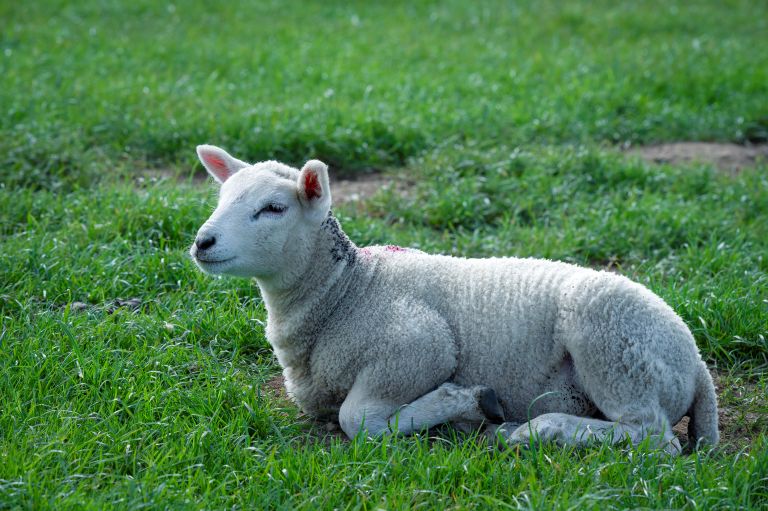
Environmental sustainability, ethical labour practices, and animal welfare are, in many cases, tightly intertwined: where animals are being treated poorly, people and ecosystems often are too.
Animal welfare is not a consideration that stops at food or fashion. Interior design involves a remarkably wide range of animal-derived materials, many of them hidden, unlabelled, or so embedded in traditional practice that they go unquestioned.
From obvious materials choices such as leather upholstery and wool rugs, to the less visible, such as hide glue in antique furniture, bone char in ceramic glazes, or shellac in wood finishes, our interior spaces can carry a significant animal welfare footprint.
When a material becomes commercially popular, the usual response is to scale up production and cut costs, and where animal products are concerned, that pressure is a primary driver of factory farming, an intensive model that falls short of the internationally recognised Five Freedoms of animal welfare. It is also environmentally costly: intensive livestock farming is linked to land clearance, water pollution, and significant greenhouse gas emissions. Ethical sourcing certifications can meaningfully reduce this impact, but plant-based and non-animal materials remain the only guarantee of a cruelty-free specification.
As designers, we are not required to eliminate all animal-derived materials, however we are well placed to ask better questions, make clients aware of the choices that they are making, and recommend more compassionate, ethical and lower-impact alternatives where they exist. The more we request environmentally-friendly, cruelty-free alternatives, the more likely such products are to be researched, developed, and brought to market, reducing pressure on both animals and the environment.
The Freedoms of Animal Welfare
The Five Freedoms are the internationally recognised standard of care for animals under human control, developed in 1965 by Britain's Farm Animal Welfare Council. They provide a useful benchmark against which to measure any animal-derived material's supply chain:
- Freedom from Hunger and Thirst - ready access to fresh water and a diet appropriate to the animal's needs
- Freedom from Discomfort - an appropriate environment, including shelter and a comfortable resting area
- Freedom from Pain, Injury and Disease - prevention, rapid diagnosis, and treatment
- Freedom to Express Normal Behaviour - sufficient space, proper facilities, and company of the animal's own kind
- Freedom from Fear and Distress - conditions and treatment that avoid mental suffering
Intensive or factory farming, by its nature, struggles to meet these freedoms — and it's this model, rather than animal-derived materials as such, that drives most of the welfare concerns detailed in this section.
Facts
- Animal-derived materials appear across virtually every category of interior specification and the construction supply chains, often hidden in standard manufacturing components.
- When we specify animal-derived materials, the environmental damage starts long before the product reaches us. Raising livestock for leather, wool, and down requires vast amounts of land. Land that was often forest, wetland, or natural habitat before it was cleared.
- Producing animal-derived materials is highly water-intensive. The vast majority of this water footprint (~98%) does not come from direct animal drinking or processing, but from growing water-heavy feed crops like corn and soy. SOURCE
- Harvesting marine species such as coral, shell, and stingray depletes ocean ecosystems.
Visible Animal-Derived Materials
- Wool - used in carpets, rugs, upholstery, and soft furnishings. Also used as upholstery filling and insulation. Shearing practices and farm conditions vary widely and are rarely disclosed at point of sale. Mulesing (a controversial surgical procedure that removes wool-bearing skin from sheep) remains common in some Australian and South American flocks.
- Leather and hide - used in upholstery, wall coverings, flooring, and accessories. Sourced from cattle, sheep, pigs, goats, and in some markets, horses, dogs, and exotic species. Chrome tanning, the dominant industrial process, carries significant environmental and health concerns. The country of origin also matters: animal welfare protections vary enormously.
- Down and feathers - used in furniture cushions, bedding and soft furnishings are typically derived from geese and ducks in intensive farming, in the worst cases involving live plucking.
- Silk - used in curtains, cushions, carpets, rugs and wallcoverings. Produced by boiling silkworm cocoons killing the larvae inside. Silk is often sourced from countries with limited labour and welfare regulation.
- Cashmere, angora, and mohair - luxury fibres associated with significant animal welfare concerns including painful shearing practices, particularly in angora rabbit farming.
- Exotic and specialist animal skins - Crocodile. Alligator, and Stingray (Shagreen) are commonly used in luxury Interior Design. PETA estimates that for every animal legally killed in this trade, another is illegally poached. Ostrich is farmed intensively in some regions, whilst Python, other snakes and Lizards are CITES listed. Legality depends entirely on species, always verify and request documentation.
- Fur - Animal fur is used in trims, throws and cushions, sourced mainly from farmed mink, fox, rabbit, and raccoon dog, with a smaller share from wild-trapped species such as coyote and beaver. Fur farming is banned in the UK, but imported fur is not restricted. Modern faux fur (acrylic, polyester, modacrylic) avoids the welfare and slaughter concerns of farmed and trapped fur, and is now common in high-end interiors. However this is reliant on petrochemicals and sheds microplastics. Recycled-content and plant-based alternatives are emerging but traceability varies, request documentation at specification stage.
Less Visible and Hidden Animal-Derived Materials
- Paints - some contain animal-derived ingredients including casein (from cow's milk), shellac, beeswax, and ox gall. The paints themselves may have been tested on animals at ingredient level under REACH regulations. Always ask suppliers about both content and testing status. (See Paint, Varnishes and Adhesives section)
- Glue & Adhesives - Traditional adhesives such as hide glue and bone glue are derived from animal bones, skin, and connective tissue and are still used in antique furniture restoration, and joinery. Casein Glue derived from milk protein is used in some woodworking and laminating applications.
- Shellac - a resin secreted by lac insects, used as a wood finish, surface sealant, and in some ceramic glazes and paints.
- Beeswax - used in some furniture polishes, wood treatments, and fabric finishes.
- Animal-based dyes - cochineal (from scale insects, producing red and pink hues) is still used in some fabric dyeing. Tyrian purple, historically from sea snails, has modern equivalents; it is worth asking suppliers about dye sources for vibrant reds and pinks in particular.
- Horsehair - used as a traditional filling in upholstered furniture, mattresses, and as a weaving fibre in some fabrics. Still specified in high-end bespoke upholstery and restoration work. Also used in brushes and instruments.
- Paint brushes and rollers Bristle paint brushes are commonly manufactured using hog and badger hair, whereas wool rollers are widely used by decorators. Artist paint brushes often use hair from various other animals, including mongoose, pony, squirrel, sable, wolf, goat, ox, camel, raccoon, and rabbits.
Protected Endangered and Legally Restricted Materials
- Tortoiseshell - Genuine tortoiseshell, derived from the hawksbill turtle, has been banned internationally since 1977 under CITES. New ivory trade has been banned in the UK since 2018, with very limited exemptions.
- Ivory - The sale of Ivory has been banned in the UK since 2018 under the Ivory Act, with very limited exemptions for antiques with a high degree of artistic importance. When sourcing antique pieces, designers should be aware of their legal obligations and verify provenance carefully.
- Horn - Buffalo and cow horn remain legal and are widely used in decorative objects, handles, and inlay work. Antler is also often freely traded in the UK, However, antler and horn from endangered and protected species including rhinoceros is strictly illegal. Always verify species.
- Mother of pearl and shell - This is generally unprotected, but sourced from molluscs and often harvested in ways that affect marine ecosystems. Natural alternatives are widely available. Such as Corozo, the ‘vegetable ivory’. SOURCE
- Coral - real coral is protected under CITES. Avoid specifying decorative coral pieces unless provenance can be clearly established as pre-ban. Many convincing alternatives in resin and stone exist.
Key Points
- Before specifying any animal-derived material, ask yourself whether an alternative exists that performs equally well. Where one does, present both options to the client with the relevant information.
- For down and feathers, look for Responsible Down Standard (RDS) or Global Traceable Down Standard (GTDS) certification, or specify recycled down or plant-based alternatives such as recycled polyester fill.
- For leather, consider the country of origin and tanning method. Vegetable-tanned leather from certified European tanneries carries a lower environmental and welfare footprint than chrome-tanned leather from unregulated sources. Also explore leather alternatives made from plant-based or waste materials, mushroom leather, cactus leather, and fruit-waste leathers are increasingly available and commercially viable.
- As a specifier, you hold more influence than you may realise. Use it. Ask suppliers directly what animal-derived materials and processing aids are used at every stage of production: from raw material extraction through manufacture, finishing, and packaging. Hold them accountable for the full impact of their product, through to its end of life. Where full disclosure is not available, say so clearly and request it. A supplier who cannot or will not answer these questions is telling you something important.
- Encourage suppliers to adopt cruelty-free and vegan labelling. Requesting clear, independently verified vegan and cruelty-free labelling and making purchasing decisions that reward suppliers who provide it. This sends a clear market signal that transparency matters. The more designers ask, the faster the industry will move.
Resources
- The Vegan Society: trademark certification for vegan products: vegansociety.com
- PETA: approved vegan home products list: peta.org.uk
- Four Paws: animal welfare guidance on wool, down, and leather: four-paws.org
- Responsible Wool Standard: textileexchange.org/standards/responsible-wool
- Responsible Down Standard: responsibledown.org
- GoodWeave: ethical rug certification: goodweave.org
- CITES: Convention on International Trade in Endangered Species: cites.org
- UK Ivory Act 2018 guidance: gov.uk/guidance/ivory-act-2018
- Wildlife and Countryside Act 1981: https://www.legislation.gov.uk/ukpga/1981/69/contents
- International Vegan Interior Design Association (IVIDA) was established to encourage greater transparency around animal-derived materials in interiors and advocates for clearer labelling of products marketed as "vegan" or "natural". See 2025 Press Release here: https://www.linkedin.com/pulse/press-release-immediate-may-2025-international-vegan-interior-desig-nexee/?trackingId=WhbFzxomccvf74%2BdZLT1SA%3D%3D
- British Institute of Interior Design (BIID). (2025). Designing with Vegans in Mind. https://biid.org.uk/resources/designing-vegans-mind