
Navigating Greenwashing – Tips For Interior Designers
Learn how to look past marketing speak and select suppliers that match your ethics and commitment to sustainability

Greenwashing is a common occurrence and is particularly prevalent within the built environment industry. As a designer, you will be aware of the sustainability concerns embedded in your practice, from dealing with waste products to making ethical material choices.
Companies know this and often target their marketing towards the concerns that many designers share. This can make it difficult to know what when you are seeing genuine sustainability efforts and when you are simply reading marketing spin.
So, how do you know what to look for, and how to tell when a supplier’s policies are only on the surface? Fortunately, there are some key takeaways that make it easier to spot the best suppliers that are also doing good for the planet.
Marketing & Accreditation
Accreditation, such as Forest Stewardship Council (FSC) certification, can be a great starting point when selecting products. It’s important though to be mindful of the limitations. Having accreditations does not necessarily mean a company is sustainable, and neither does a lack of accreditation mean a company is not sustainable.
When to be cautious:
Products can be labelled as being made from recycled content. This is appealing to conscious consumers as recycling closes the loop and creates less waste. However, some products may have this label while the actual recycled content is a very low percentage.
If a product seems to have great sustainability credentials, this can be undermined if the product is located on the other side of the world. Shipping a product greatly increases its carbon footprint, and a local product with slightly less good credentials may be preferable over the “perfect” product that comes with air miles.
Certain accreditations accredit an entire business not a specific product so you cannot take it for granted that each and every product they sell is sustainable.
Questions to ask:
The best thing you can do is make sure you know and understand each individual product rather than looking at the overall company and its marketing. Some of the questions you could ask your supplier are:
- What are the ingredients of the product?
- What is the location source? What third-party certifications do you have?
- What percentage of the product is recycled materials?
A good accreditation to look out for is Cradle to Cradle Products Innovation Institute certification (often confused with “Cradle to Grave”). This certification evaluates products across their full lifecycle rather than assessing the brand as a whole.
Being intimately familiar with the product also has the benefit of demonstrating your knowledge to the client. Afterall, they’re paying for your expertise. Being able to talk about the supply chain and history of a product can deepen your engagement with the client.
Key takeaways:
Where possible, sourcing products locally will always be better for the environment. Be flexible with species choice and investigate certification that supports your choice. Choose finishes that support longevity and repair over pieces that are likely to degrade, wear, or otherwise be quickly disposed of.
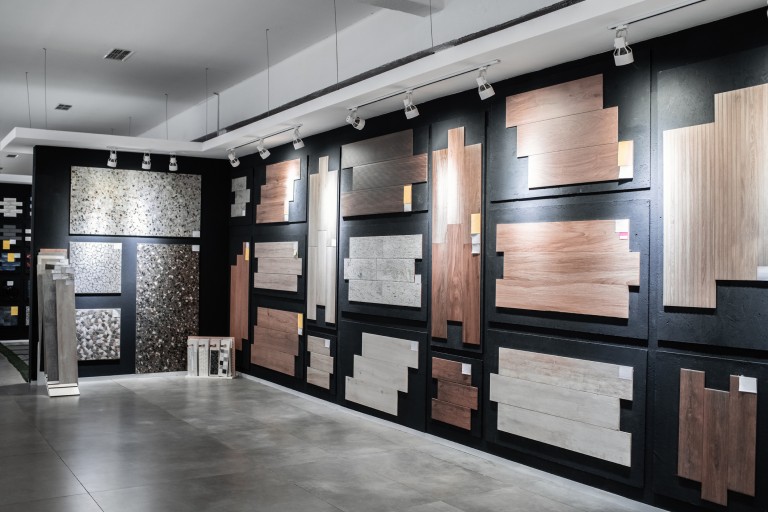
What does a good brand/product look like?
Good relationships with suppliers is a critical part of business. Taking the time to develop relationships with suppliers that meet your goals and values is a great way to grow your business in the right direction. Doing a bit of research up front, can save time down the line and allow you to grow a bank of reliable and eco-conscious suppliers.
How do designers identify a good sustainable brand?
There can be a lot of noise in the marketplace, making it difficult to distinguish meaningful action from clever marketing.
Here are some key indicators to look for:
- Clear transparency on their website with detailed information readily available
- Evidence of responsible manufacturing processes (for example, renewable energy use such as solar power)
- Clear waste reduction strategies. These may include recycling, reusing by-products, or eliminating unnecessary plastic packaging
- Annual sustainability reports or public impact statements
- Local production and transparency about their own supply chain
- Relevant certifications that support their claims. Look for clarity on whether those certifications apply to the product or the company as a whole, and the process for achieving them
Some certifications to look out for:
The below list is non-exhaustive and designers should undertake their own research.
- Cradle to Cradle Products Innovation Institute
A certificate that considers multiple attributes through the whole product lifecycle - Forest Stewardship Council (FSC)
Ensures that wood and timber products have been sourced sustainably - GEV-EMICODE
Awarded to low-emissions and low-VOC products - OEKO-TEX
Awarded to textile products that have been tested for harmful substances - European Federation of Office Furniture Associations (FEMB) Level Certification
An EU accreditation from the European Federation For Office Furniture Associations. - UL Solutions - Ecologo
Awarded to products and services that have low health and environmental impact. UL solutions are also responsible for the Greenguard certification for low emissions - CarbonCare
Recognises businesses that are working to reduce carbon emissions
What Now
Using the above as a starting point, designers can begin to look beyond marketing jargon and make more informed, responsible decisions. Conversations with suppliers are essential — enquire about sourcing, production methods, and full lifecycle impact. Where possible, incorporate this level of scrutiny into every specification as best practice.
Further Reading
The BIID has several resources on sustainability available in the resource library. Covering topics from lowering carbon emissions to understanding the circular economy. Some resources are available for members only. If you’re not a member, why not become one?
You can also learn more about sustainable specifying in detail, in our handy Sustainable Specifying Guide.
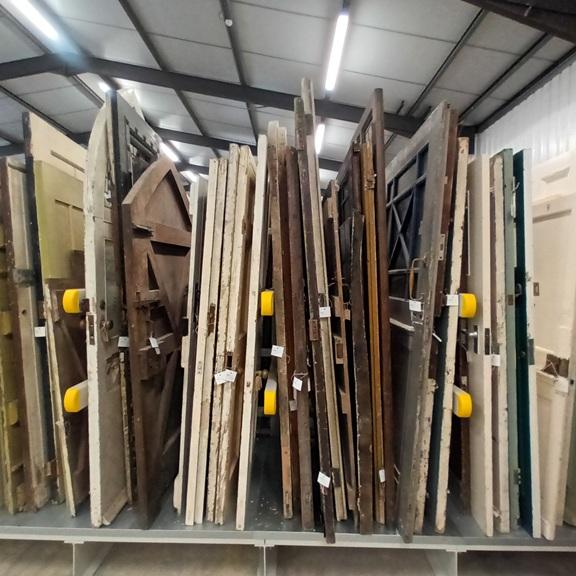
The Brooking Collection brings together architectural features spanning five centuries of British design and craftsmanship, from historic windows and doors to staircases and decorative ironwork.

We're looking for BIID Registered Interior Designer® to volunteer as mentors for our Student Design Challenge this November

Mark Lissauer of Christopher Hyde Lighting on the enduring appeal of classic lighting

Sam Fisher, Event Director of Decorex, explains what visitors can expect at this year’s show
Practical guidance to support more responsible choices across the design and construction industries

We hear from BIID Awards Headline Sponsor Havwoods on the materials, textures and influences shaping interiors