
The Difference Between Residential and Commercial Design
What are the similarities and differences between residential and commercial design? And can you move from one to the other?

For the first time this year, we have split our Interior Design Awards into two categories: Residential and Commercial; recognising that each discipline differs. We spoke to two BIID members, Nicola Holden of Nicola Holden Designs, and Sammy Bikoulis, Associate Designer for LXA, who share their perspectives. Nicola is an expert in residential design, and Sammy specialises in commercial design. They have spoken about the vital elements, their priorities, and transitioning between the two types of interior design.
Design Goals
Before you take any other steps, you must establish your goals. Whereas residential homes should inspire joy and reflect the client’s personality, commercial properties should promote a brand and meet business needs.
Sammy Bikoulis - Commercial:
I aim to give the space a strong sense of identity and atmosphere, using proportion, light, materials and detail to make it feel considered rather than generic. Ultimately, the goal is to deliver a space that works effortlessly, feels good to be in, and genuinely supports the people using it, both practically and emotionally. There is a technical side, like regulations, detailing, and coordination with consultants.
Nicola Holden - Residential:
Our homes have a significant impact on how we feel, often in ways we don't consciously recognise. I incorporate wellbeing through four principles: biophilic design, colour psychology, aesthetics of joy and sustainable design. Designers are creating an environment that helps people feel happier, healthier and more connected to their home and improves their quality of life.
A successful design should solve problems, make daily routines easier, maximise the potential of the space and continue to work for many years to come.
Client Vision
Understanding the desires of a client and using your expertise to transform them into the space they require, whether this aligns with their vision or goes above and beyond is a part of all design processes.
Nicola Holden - Residential:
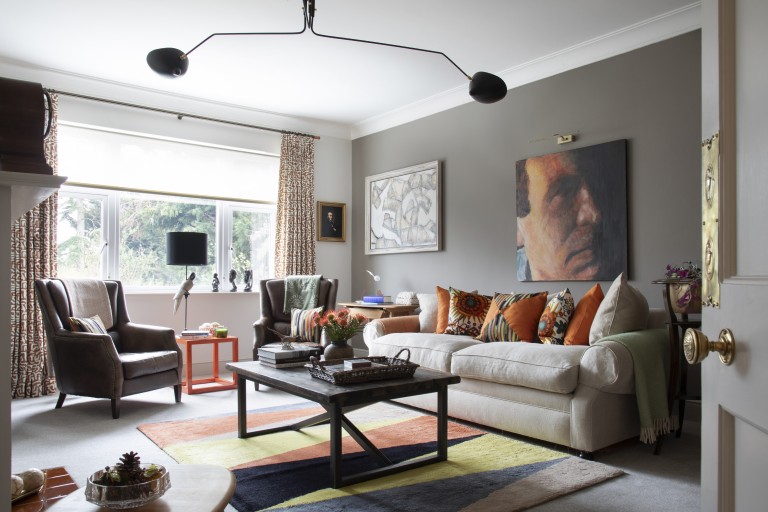
Creating a client's vision starts with listening rather than designing. I spend time getting to know my clients, understanding not only what they like aesthetically, but also how they live, what frustrates them about their current home and how they want their home to make them feel.
My role is to guide clients, challenge assumptions where appropriate and create a home they may never have imagined themselves, but one that feels completely right once they see it.
Sammy Bikoulis - Commercial:
Commercial designers start by really listening, getting under the surface of what the client is saying, not just in terms of style but how they want the space to feel and function. A lot of the time, the real brief is revealed through conversation, references, and understanding how they work or live.
From there, I translate that into clear design principles, space planning, material direction, and atmosphere, so the vision becomes something tangible and workable, not just conceptual. The goal is to stay faithful to their vision while also guiding it into something coherent, buildable, and well-resolved.

The Focal Elements
When you are approaching a project, a critical step is to decide on the focal elements, whether this is a personal reflection of a client's lifestyle, or an approach with more public appeal.
Nicola Holden - Residential:
Residential design is deeply personal. A home needs to reflect the people who live there and support the way they want to live. When you are establishing your priorities, a successful residential interior balances practicality with personality. It should function effortlessly for everyday life while also feeling comfortable, uplifting and uniquely individual.
Sammy Bikoulis - Commercial:
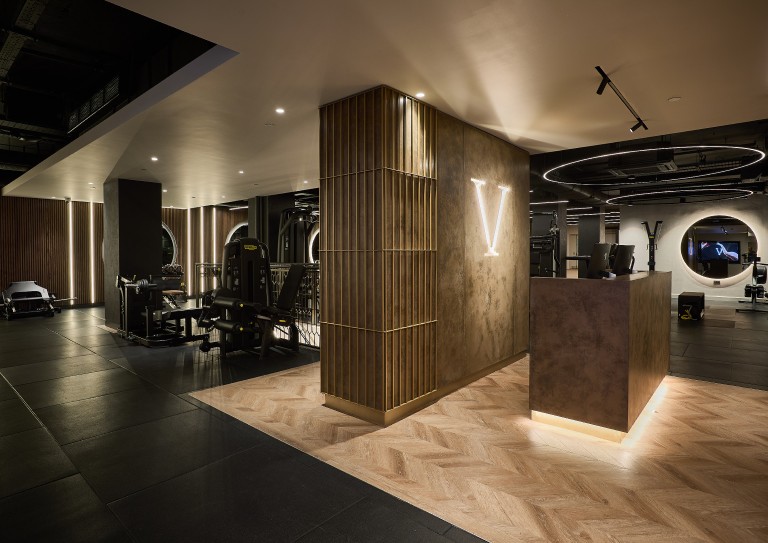
I focus on a clear mix of brand, function and experience. The space needs to reflect the client’s identity while also working hard operationally: supporting staff flow, customer movement and overall efficiency. Just as important is the user experience: how people enter, move through, and feel within the space. Flexibility matters too, so the design can adapt as the business evolves.
Ultimately, it’s about balancing practicality with strong visual and spatial impact so the space feels both engaging and purposeful.
Transition Between the Two
If you have been inspired to take steps to transition between the two fields, you need to gain both knowledge and experience. However, this could be simpler than you first thought. Sammy highlights how skills are transferable, and how getting experience on other projects can be an important step.
Sammy - Commercial:
It helps to start by getting exposure to commercial projects in any capacity, even if you come from residential. There are different considerations so ultimately, it’s about expanding your design thinking rather than starting over. It's about bringing your residential sensibility for detail and atmosphere into a more strategic, performance-driven framework.
Conclusion
Scale, use, and client objectives can vary starkly between each sector. However, much of the thinking remains the same and should you wish to change fields, you may well have transferable skills already.
For deeper insights into building your career, the BIID resource library is full of helpful information. From time management to legislation, marketing skills to HR, grow your business with the BIID.
Exploring the new WELL Interiors designation with IWBI Senior Vice President Ann Marie Aguilar
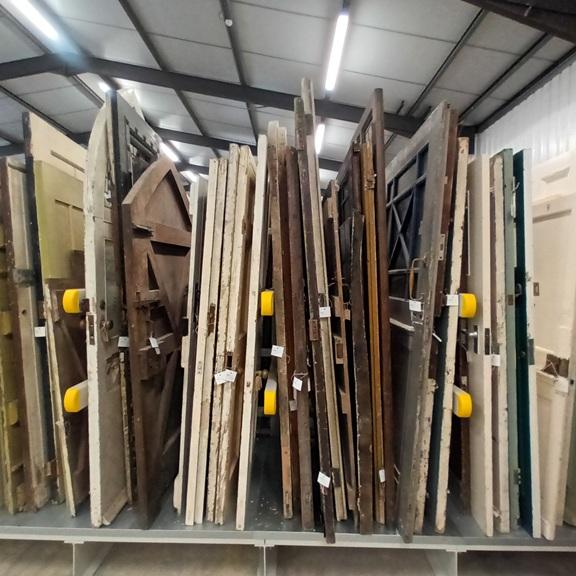
The Brooking Collection brings together architectural features spanning five centuries of British design and craftsmanship, from historic windows and doors to staircases and decorative ironwork.

We're looking for BIID Registered Interior Designer® to volunteer as mentors for our Student Design Challenge this November
Mark Lissauer of Christopher Hyde Lighting on the enduring appeal of classic lighting

Sam Fisher, Event Director of Decorex, explains what visitors can expect at this year’s show

Practical guidance to support more responsible choices across the design and construction industries