
Inside Advice on Working with Brand Partners for Product Collections
After 20 years of interior design, Emma Sims-Hilditch talks about product launches and the power of brand collaboration
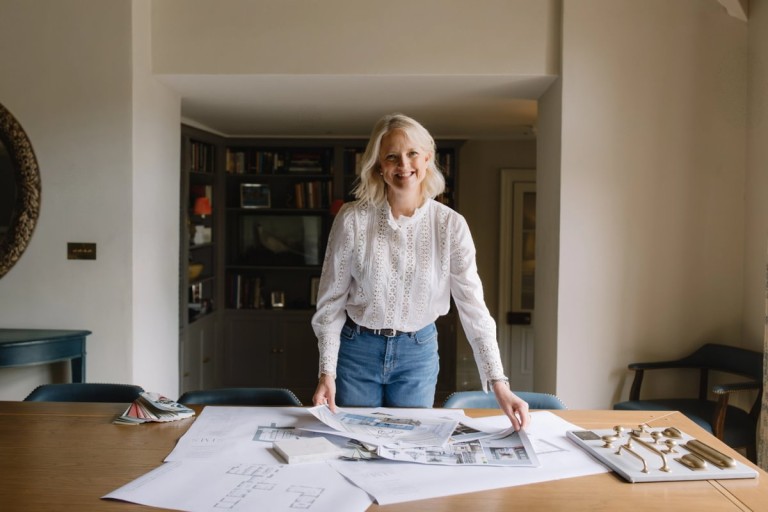
Emma Sims-Hilditch of globally respected studio Sims Hilditch has spent almost 20 years creating timeless interiors with a modern English aesthetic. In more recent times she has also designed and developed ranges of beautiful products in partnership with other established brands known for their quality and craftsmanship. Here, she shares some valuable insights and guidance of the protocols and processes involved.
What qualities do you seek in a brand partner?
Every collaboration starts with a genuine passion for design and a real respect for the brands we work with. I never go into a collection thinking about the financial reward. For me, it's about the creative process - sharing ideas, challenging each other and making something we're all proud of. If the commercial success follows, that's great, but creativity has to come first.
We particularly enjoy working with makers we've built long-term relationships with because it's important to understand exactly where and how things are made. That gives us confidence that their quality, craftsmanship and values align with our own. At Sims Hilditch, we spent two and a half years working towards our B Corp certification, so sustainability and longevity are embedded in everything we do. Whether we're sourcing products or designing a collection, we're always asking whether it meets the standards we've set for ourselves.
What underscores your collaborative ranges?
It's important that every collection has an authentic story behind it. If you collaborate purely for financial gain, you risk compromising your reputation if it doesn't feel genuine.
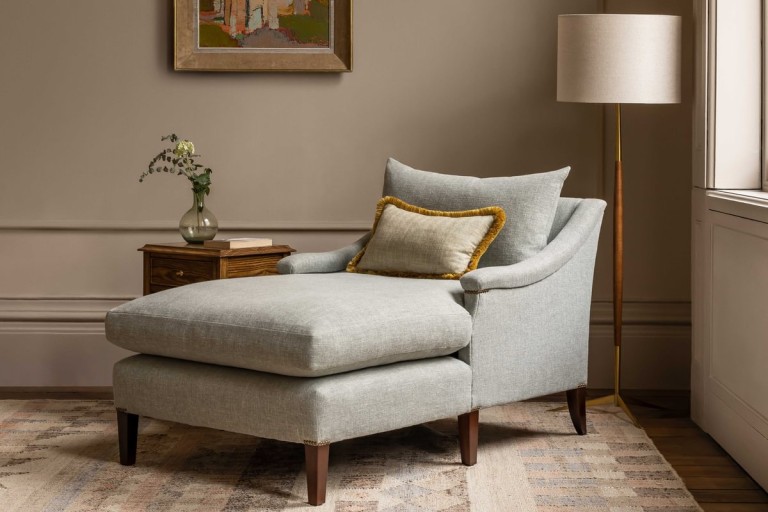
My first collaboration, with George Smith Furniture, evolved very naturally from a long-standing relationship. My parents owned a George Smith sofa when I was growing up, and I still have one that's more than 40 years old. Having experienced the brand's quality and craftsmanship firsthand, designing a collection together felt like a natural progression.
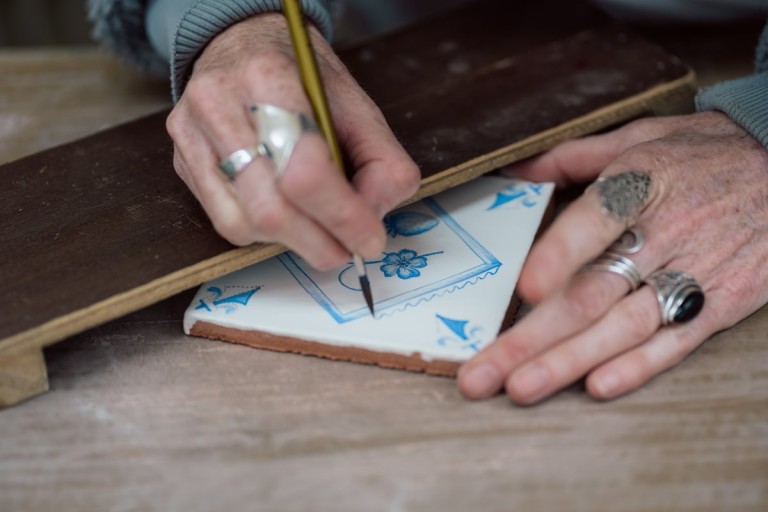
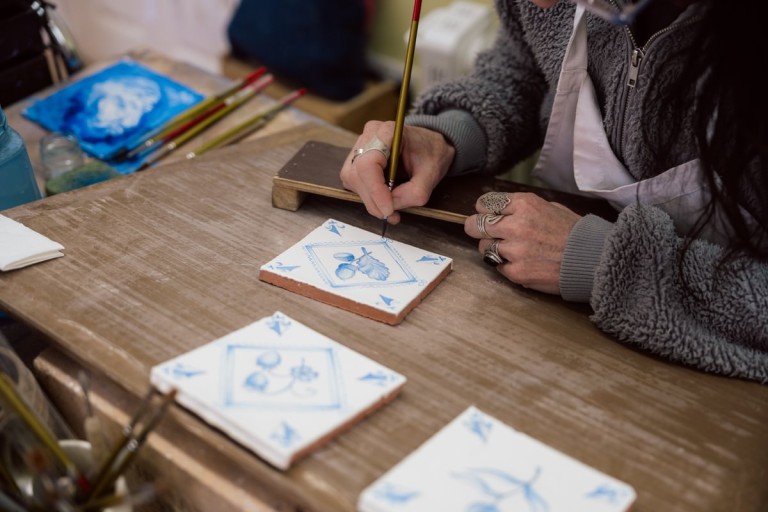
Our collaboration with Marlborough Tiles has a similar story. It grew out of a friendship spanning more than 30 years with founders Jamie and Jo. I've specified their bespoke tiles in countless projects over the years, and I've always admired their craftsmanship. The fact that Marlborough Tiles is a third-generation family business resonates with me too - those values of heritage, longevity and care are very much aligned with our own.
What other factors need consideration?
Confidence and trust in a partner’s long-term commitment and credibility. When putting great effort into collections, you need to know they are in it for the long haul and will support you as much as you will support them.
Consider too:
- Do they have a strong, well-matched customer base who will buy your products?
- What’s the balance of consumer to professional design trade purchase? Your primary customer is most likely to be other professionals.
- Can your partner match your commitment to PR and marketing?
i.e. Will they invest in photoshoots, advertising and putting items in retail windows to give best possible exposure.
In our relationships, equal commitment to these layers has always proven to be win-win.
What are the time and financial investments?
Our in-house furniture designer works closely with me on every new piece. He'll sketch the initial concepts and then we go back and forth refining the design until we're all happy with it. Our manufacturing partners then produce the prototypes, providing the materials, craftsmanship and expertise needed to bring the designs to life before they go into production.
Any advice when formalising agreements?
Relationships should be built on long-term trust but it’s a good idea to seek legal advice.
- Ensuring ownership of original designs is critical
At Sims Hilditch, we retain ownership of all our sketches, CAD files and final designs. That means the intellectual property remains ours, giving us the flexibility to manufacture the products elsewhere if circumstances ever changed. - Be clear about financial arrangements
Some collaborations are based on a flat design fee, while others pay royalties as a percentage of the trade price. Ours are always royalty-based. If a collection is designed to last and sells for many years, a one-off fee doesn't feel like the right approach. Royalties better reflect the long-term value of the design. - Consider additional costs
In our relationships, photoshoots are also collaborative. We tend to pay for the photographer; partners pay for the location. - Be prepared to commit years to product development and marketing
You can’t expect collections to happen overnight and when refining prototypes it’s important to visit workshops to do this on site.
Our in-house marketing team also works closely with partners to maintain our brand voice.
Final thoughts?
Plan an effective launch around a high-profile date or event. Launching our most recent Marlborough Tiles collection within the Sims Hilditch room at WOW!house gave it the best possible opportunity for exposure in a wonderful physical showcase.
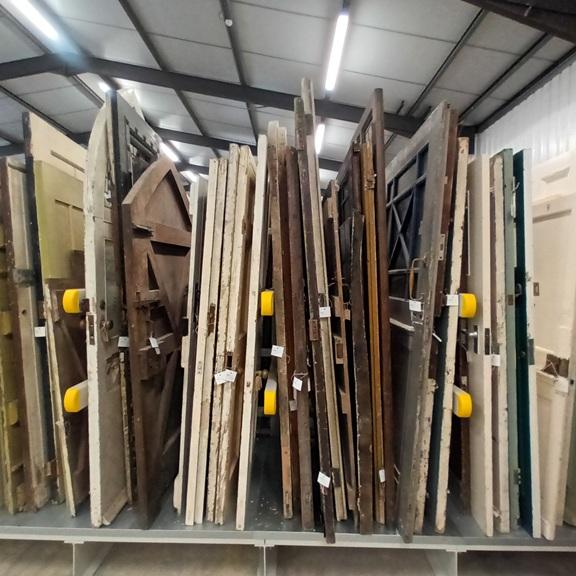
The Brooking Collection brings together architectural features spanning five centuries of British design and craftsmanship, from historic windows and doors to staircases and decorative ironwork.

We're looking for BIID Registered Interior Designer® to volunteer as mentors for our Student Design Challenge this November
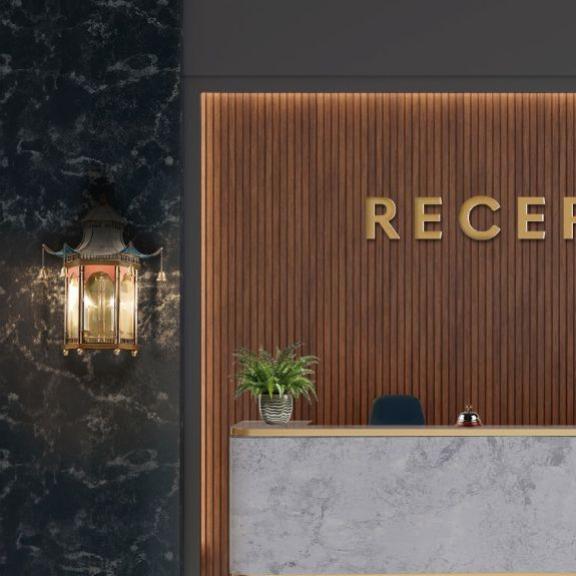
Mark Lissauer of Christopher Hyde Lighting on the enduring appeal of classic lighting
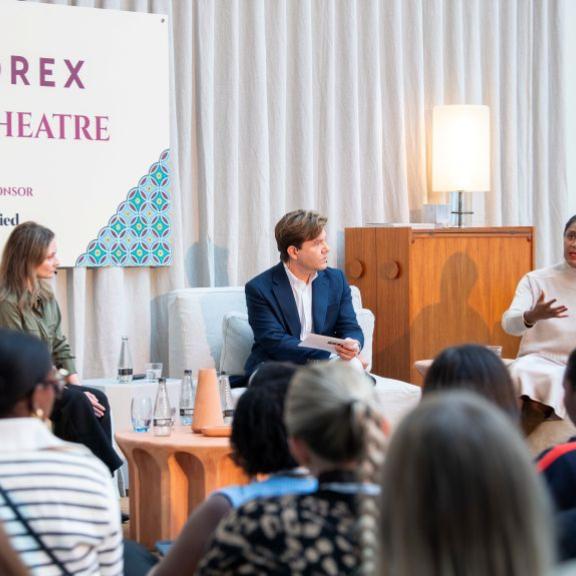
Sam Fisher, Event Director of Decorex, explains what visitors can expect at this year’s show
Practical guidance to support more responsible choices across the design and construction industries
We hear from BIID Awards Headline Sponsor Havwoods on the materials, textures and influences shaping interiors