
Beyond the Moodboard: A Smarter Way to Source Original Art for Interiors
Exploring how BIID Platinum Partner NALA is using technology to help interior designers discover and source original art for their projects

From image-based discovery to personal curatorial guidance, new tools are making original art more accessible without compromising the designer’s eye.
Art is often described as the finishing touch in an interior. Yet for many designers, it is anything but an afterthought. A painting can establish the emotional register of a room, introduce tension or bring together elements that might otherwise feel disconnected. The challenge is rarely recognising the importance of art. It is finding the right work.
Unlike furniture, lighting or textiles, original art resists conventional sourcing methods. Every piece is unique; availability changes, pricing can be opaque, and discovering artists beyond familiar networks takes time. For designers managing multiple projects, sourcing can become disproportionately demanding.
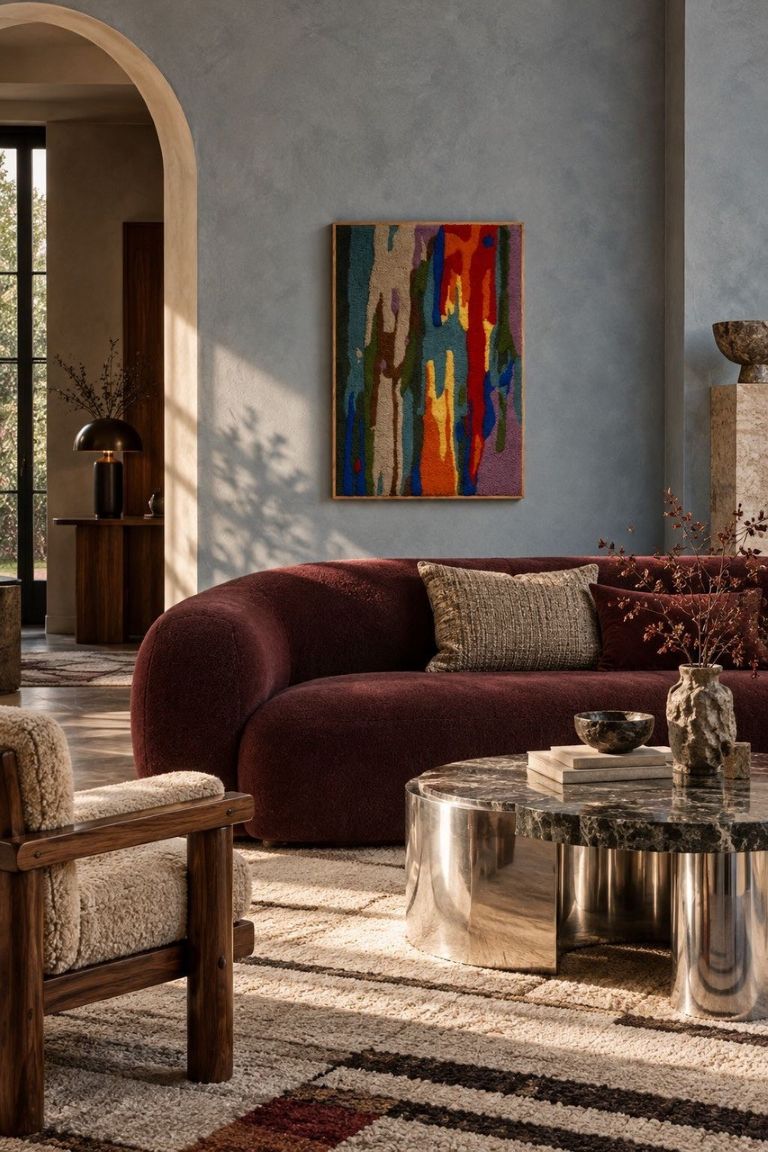
Searching for something you cannot quite describe
Interior designers frequently work from visual intuition. They may seek the atmospheric quality of an artwork encountered years earlier, a particular palette or a distinctive gestural energy. Yet searching for “large blue abstract painting” can produce thousands of results without capturing the intended mood, materiality or visual language.
There is a fundamental difference between searching for a product and searching for art. The former is often defined by specifications; the latter by relationships between colour, composition, texture and feeling. What if designers could begin with an artwork that inspires them, rather than struggling to describe it?
From inspiration to discovery
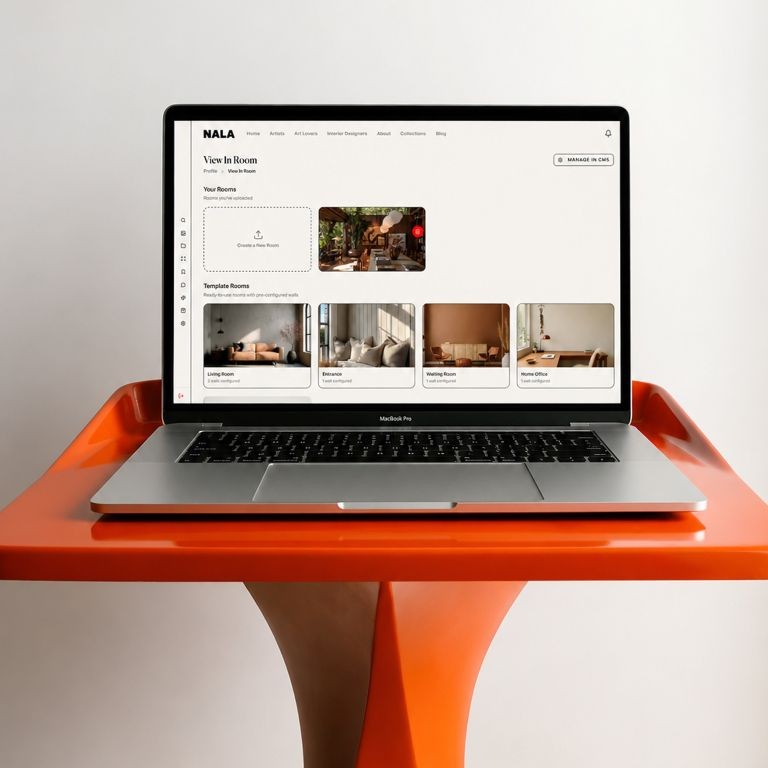
Image-matching technology offers an alternative to conventional keyword searches. Designers can upload an image of an artwork they admire and discover other works with related visual characteristics.
NALA, an art discovery platform and BIID Platinum Partner, has developed Echo around this principle. Echo matches an uploaded artwork reference to visually similar original works on NALA, much like reverse image search. It is not an automated curator and does not decide which piece belongs in a client’s home. Instead, it helps designers find work they might otherwise overlook.
Voice and keyword search provide further ways to explore, including filters for price range, size, medium and more. BIID members can discover these capabilities through NALA’s professional tools, designed to support original-art sourcing.
Explore the professional platform
Why originality matters
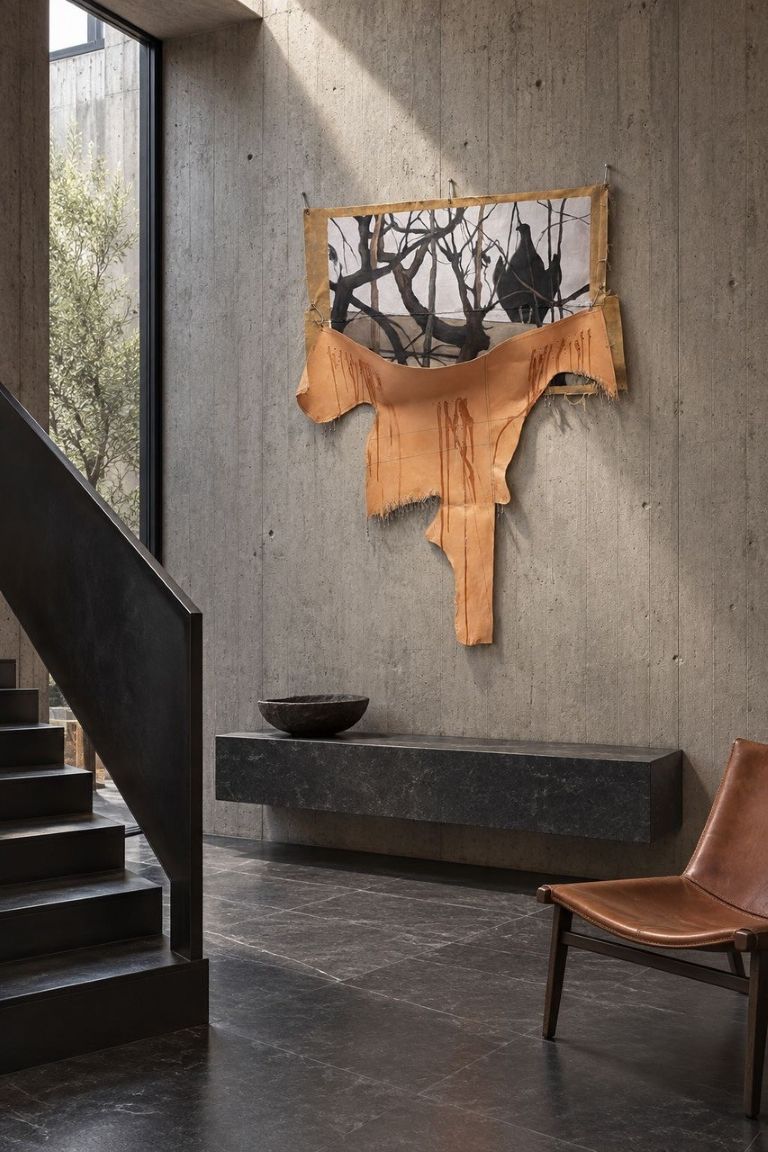
Digital platforms have made inspiration accessible, but they have also contributed to visual sameness. The same references circulate through social media, moodboards and interiors publications. Even beautifully executed projects risk feeling interchangeable when their influences come from a narrow pool.
Original art offers an opportunity to resist this tendency. A work discovered outside familiar commercial channels can introduce an unexpected perspective, medium or artistic language. For clients, it can create a more personal connection with their surroundings. For designers, it offers another way to develop a distinctive visual identity.
Technology is most useful when it broadens access to artistic practices rather than simply repeating what is already popular. NALA connects designers with independent artists beyond their existing networks.
Making art sourcing part of the workflow
Discovery is only the beginning. Designers must also consider dimensions, budget, installation context, client preferences and purchasing logistics. A compelling work may prove unsuitable against a wall’s proportions; another may become the strongest choice when viewed alongside the project’s materials.
NALA’s professional dashboard allows designers to save works into project folders, explore room mockups and prepare PDF selections for client presentations. They can communicate directly with artists about individual works, availability and purchasing considerations. These functions reduce practical friction while leaving the important aesthetic decisions with the designer.
The continuing value of human expertise
Visual similarity is not the same as curatorial judgement. Understanding how an artwork relates to its setting, a client’s collection and the broader design narrative requires conversation and experience.
For projects needing additional support, designers can book a session with NALA curator Calum directly from their dashboard. This creates a choice between independent discovery and personal guidance, depending on the needs of the project. Direct artist communication can also reveal the ideas, materials and processes behind a work, enriching how it is presented to clients.
Digital discovery need not replace galleries, advisers or established relationships. It offers another route into a broader creative landscape.
The designer’s eye remains irreplaceable
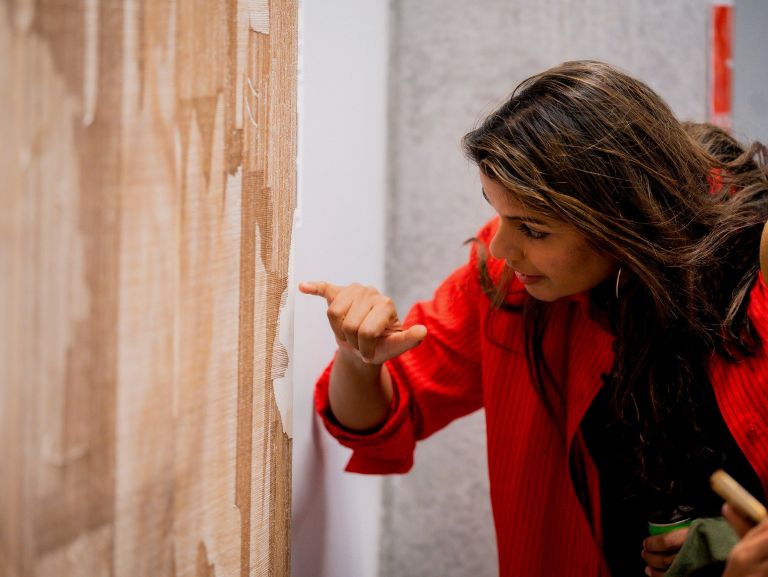
Image matching can reveal unexpected connections. Digital tools can accelerate research and simplify client presentations. But they cannot understand a client’s life or make the nuanced aesthetic judgements that distinguish an exceptional interior. Those responsibilities remain firmly with the designer.
As a BIID Platinum Partner, NALA invites members to create a professional profile and explore Echo, project folders, presentation tools and curatorial guidance. Use the exclusive code BIIDMEMBER for three months of complimentary access. Create your professional profile at nala.art. Register here.
BIID members are also invited to GIVE PRESENCE, NALA’s upcoming London exhibition at Laundry Studios E8, launching on 3 December with an opening event from 6–9 pm, including a BIID x NALA booth with industry discounts and access to more art.
Note: Nala Art is a BIID Platinum Partner. This article has been produced as part of our sponsored partnership programme.

The Design Council’s latest Design Economy report reveals the significant contribution design makes to the UK economy
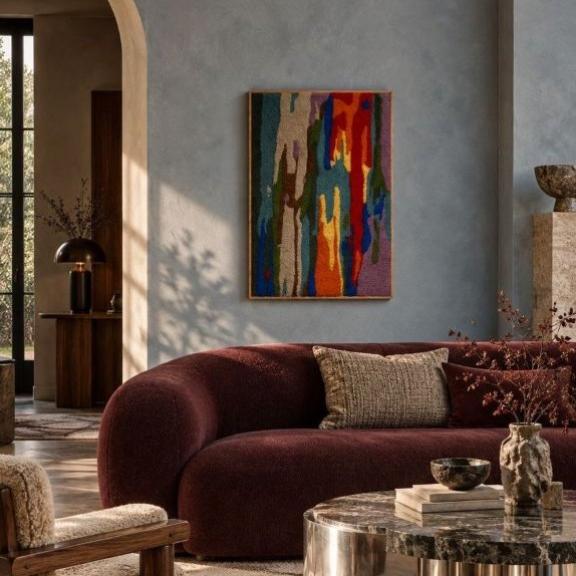
Exploring how NALA is using technology to help interior designers source original art
Anna Burles' thoughts on innovating with AI within the interior design industry

Discover the story behind George & Minnie, the contemporary fabric and wallpaper brand
Exploring the new WELL Interiors designation with IWBI Senior Vice President Ann Marie Aguilar