
New evidence published on the value of the UK's design sector
The Design Council has published a new version of its Design Economy report

The Design Council has published its latest Design Economy 2026: Driving Good Growth across the UK report, providing new evidence of the economic importance of design and its contribution to employment, productivity and regional growth. The findings demonstrate that design continues to outperform the wider UK economy, reinforcing its importance as a driver of innovation, business growth and competitiveness.
A growing economic contribution
According to the report, the UK design economy generated £136.7 billion in Gross Value Added (GVA) in 2023, representing a 40% increase since 2019. Over the same period, the wider UK economy grew by 24%. Design now accounts for 5.5% of total UK GVA, with its economic contribution exceeding that of the entire UK retail sector. Employment has also increased significantly. In 2025, more than 2.27 million people worked in the design economy, a 15% increase since 2020, compared with UK employment growth of less than 2.5%.
The research highlights how design expertise extends beyond specialist practices. Two-thirds of the economic value generated by design comes from designers working in other industries, demonstrating the growing recognition of design skills across the economy.
What does this mean for interior designers?
For BIID members, the report provides valuable evidence of the wider economic significance of their profession. Interior designers are included within the report’s multidisciplinary design category, which also encompasses furniture and fashion designers. This category generated £8.8 billion in GVA in 2023, an increase of 23% since 2019.
Employment in multidisciplinary design also grew by 11% between 2020 and 2025, reaching more than 165,000 people. Although these figures are not specific to interior design, they demonstrate the continued demand for multidisciplinary design expertise and its contribution to the UK economy. The report also identifies architecture and the built environment as a major contributor, generating £18.4 billion in GVA in 2023, an increase of 30% since 2019.
These findings reinforce the importance of recognising interior design as an integral part of the wider built environment, contributing to the quality, functionality and long-term value of spaces.
Skills and diversity remain challenges
Despite the sector’s growth, the report identifies challenges concerning skills development and workforce diversity. In 2025, 68% of designers held a degree or equivalent qualification, compared with 62% in 2020. However, the report highlights a 68% decline in students taking Design and Technology GCSEs over the decade to 2024, raising concerns about the future talent pipeline. Gender representation also remains uneven, with women accounting for just 25% of the overall design workforce. However, multidisciplinary design presents a different picture, with women representing 63% of designers in this category.
The findings underline the importance of accessible education, professional development and opportunities for people from diverse backgrounds to enter and progress within the profession.
Recognising design’s wider value
The report also highlights design’s role in addressing environmental and social challenges, alongside its economic contribution.
For interior designers, these issues are particularly relevant as the profession responds to growing expectations around sustainability, responsible material selection, adaptability and the creation of inclusive, healthy spaces.
The Design Council’s research provides further evidence of the importance of design expertise to the UK’s economic future. It also strengthens the case for continued investment in design education, professional skills and recognition of the value that qualified designers bring to businesses, communities and the built environment.
Read the full report: Design Economy 2026: Driving Good Growth across the UK, published by the Design Council.

The Design Council’s latest Design Economy report reveals the significant contribution design makes to the UK economy, highlighting opportunities and challenges for the profession, including interior designers.
Anna Burles' thoughts on innovating with AI within the interior design industry

Discover the story behind George & Minnie, the contemporary fabric and wallpaper brand

Exploring the new WELL Interiors designation with IWBI Senior Vice President Ann Marie Aguilar
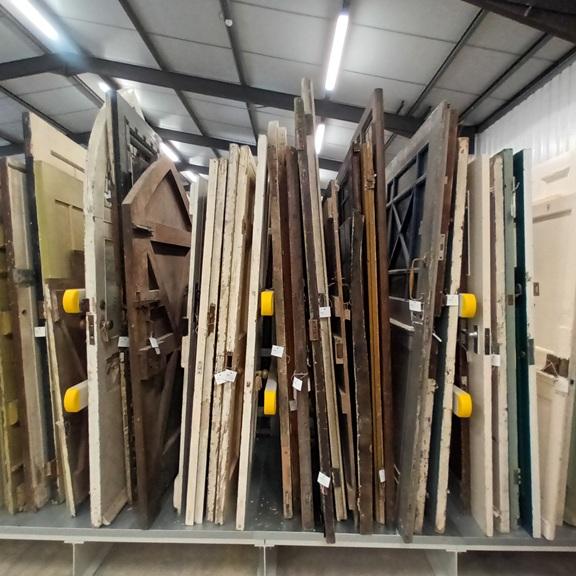
The Brooking Collection brings together architectural features spanning five centuries of British design and craftsmanship, from historic windows and doors to staircases and decorative ironwork.