
Life-Long Learning: The Benefits Of CPD

Continuous Professional Development (CPD) is career-long necessity for every industry and involves conscious and proactive commitment to ensuring that competencies, legislative knowledge, skills and qualifications stay relevant and up-to-date. CPD can also be deeply rewarding, optimise future career progression and enhance reputation as well as self-confidence. Studios that encourage CPD across a team often find it a valuable tool for staff engagement and retention, in addition to benefiting from the sharing of best practice.
BIID & CPD minimum requirements
From architecture to accountancy, most sectors with professional membership bodies set minimum CPD requirements in terms of time allocated to ‘upskilling’. The BIID requirement is for registered interiors designers to complete at least 20 hours of CPD activity each year. Of this, at least 50% should be dedicated to ‘structured’ learning, in participatory settings such as training courses, workshops and seminars, both off and online.
Business benefits
Reaping maximum value from CPD starts with assessing your – and your team’s – strengths, weaknesses and knowledge gaps, as well considering opportunities for your practice to develop clear, marketable specialisms. You may find it useful to assess valuable CPD activity across three sub categories:
- From an efficiency perspective – updating training in new software platforms might help improve project management processes or ease office admin. Refreshing software knowledge can result in more impactful pitches and enhanced quality of client presentations. See the 2022 BIID webinar on ‘Getting your systems in place’.
According to a HouzzPro survey (US) - 42% of construction business leaders and 48% of design leaders say that adopting or upgrading technologies — particularly those with project management capabilities and AI-powered features will be a priority for 2026.
You might also look to improve time management skills through seminars or mentorship programmes designed to help evaluate and structure daily, weekly, monthly and annual business priorities. - From a confidence perspective – consider strengthening best practice when it comes to specifying products (i.e. bespoke upholstery and automated window treatments) and filling knowledge gaps around technical regulations. More established practices might also like to take advantage of joining a BIID Leadership and Management masterclass.
- From a client perspective - deepening understanding of topics that discerning clients are increasingly enquiring about will reinforce their confidence and respect in your knowledge. These might include potential toxicity of material choices, such as chemical flame retardants , designing for neurodiversity and the principles of Passivhaus design to being able to offer meaningful guidance around product accreditations in sustainability
More Information
Some designers choose to allocate much greater time to CPD than the BIID’s minimum 20 hour requirement per annum, with past recipients of the annual CPD award accruing in excess of 100 hours!
For CPD opportunities, look to BIID newsletters confirming regular events and visit the BIID CPD Providers directory for a comprehensive selection of courses (many free of charge).
Retired, Provisional Associate and Associate members of the BIID are not required to submit CPD hours but may still benefit from the learning opportunities.

Exploring the new WELL Interiors designation with IWBI Senior Vice President Ann Marie Aguilar
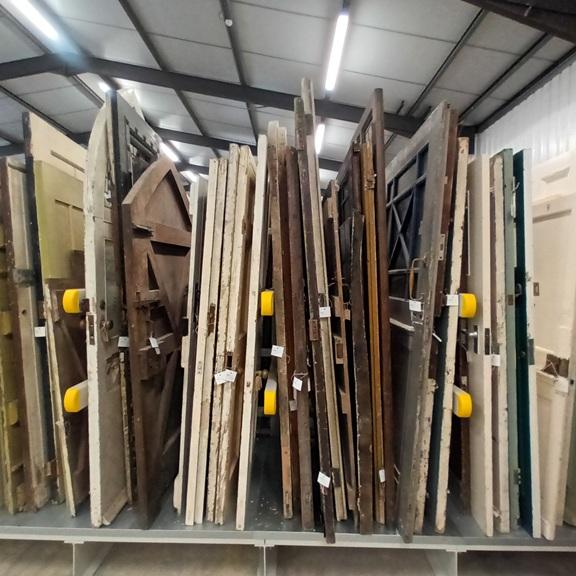
The Brooking Collection brings together architectural features spanning five centuries of British design and craftsmanship, from historic windows and doors to staircases and decorative ironwork.

We're looking for BIID Registered Interior Designer® to volunteer as mentors for our Student Design Challenge this November
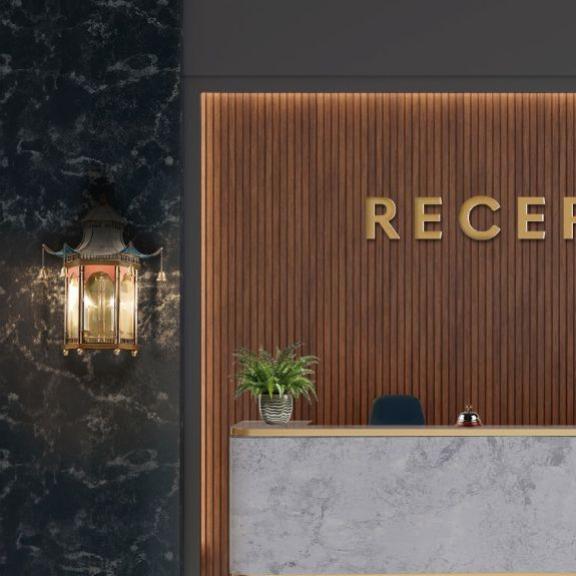
Mark Lissauer of Christopher Hyde Lighting on the enduring appeal of classic lighting

Sam Fisher, Event Director of Decorex, explains what visitors can expect at this year’s show

Practical guidance to support more responsible choices across the design and construction industries