
Interior Designer Apprenticeship Standard Approved
The developing of a new Interior Designer apprenticeship is moving ahead with the standard now approved

In May 2026 the new Level 6 Interior Designer apprenticeship standard was approved for delivery after many years of development led by the employer-led Trailblazer Group. This means the occupation of Interior Designer is now officially recognised within England’s apprenticeship system, creating a future degree equivalent pathway for individuals to train and qualify while earning and learning in practice.
Approval of the standard does not mean apprenticeships can begin immediately. The next phase is about building the infrastructure needed to make the apprenticeship available to employers and apprentices.
What has been approved?
The newly approved standard sets out the occupational requirements for an Interior Designer apprentice at Level 6 (degree-equivalent level). It defines the knowledge, skills and behaviours apprentices will need to develop in order to work competently and professionally within the sector.
The standard reflects the breadth of professional interior design practice — from design development and technical understanding through to project coordination, supplier engagement, contractor relationships and client communication.
Can I apply to become an apprentice or take on an apprentice?
Before apprenticeships can begin, two key things still need to be put in place:
- A learning provider
At least one learning provider (such as a university or specialist education provider) will need to be approved by Skills England to develop and deliver the training programme that sits behind the apprenticeship. - An End-Point Assessment Organisation (EPAO)
At least one independent assessment organisation must also be approved to assess apprentices at the end of the programme. This final assessment ensures apprentices have achieved the professional standard expected of an interior designer.
Only once these elements are in place can apprenticeship funding be released and employers begin recruiting apprentices. Unfortunately at this stage we do not have any information as to how long this approval process might take. However it is our understanding that it is unlikely to be before 2027. The BIID is currently looking into how we can support this development process.
Why this matters for interior design
The approval of this apprenticeship is significant because it creates an alternative route into the profession alongside existing education pathways. We know from feedback we have received that for many aspiring designers, the opportunity to learn directly within practice, gain real-world experience, and earn while training is appealing. Equally, for employers the apprenticeship has the potential to support long-term talent development and create a structured pathway for nurturing future designers.
Next steps
We will continue to keep apprised of developments and share any new information we have with our audiences.
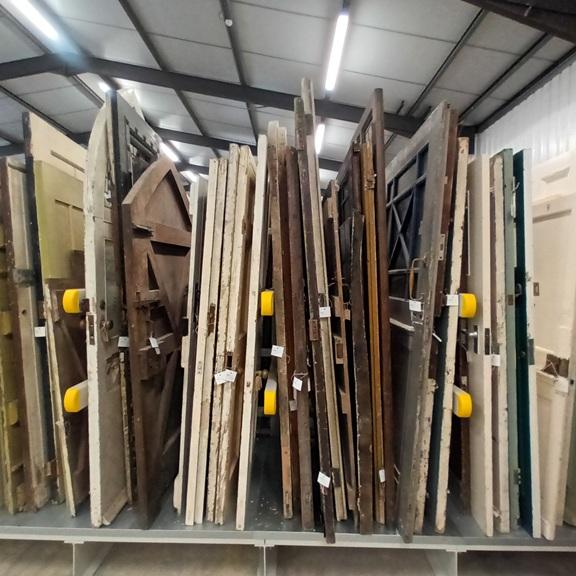
The Brooking Collection brings together architectural features spanning five centuries of British design and craftsmanship, from historic windows and doors to staircases and decorative ironwork.

We're looking for BIID Registered Interior Designer® to volunteer as mentors for our Student Design Challenge this November
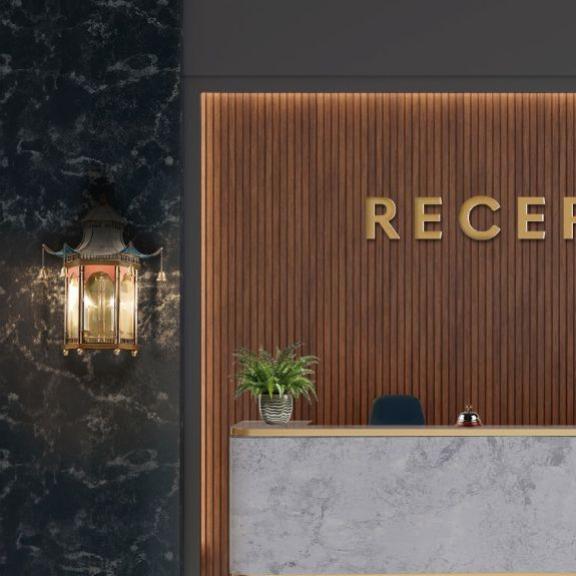
Mark Lissauer of Christopher Hyde Lighting on the enduring appeal of classic lighting

Sam Fisher, Event Director of Decorex, explains what visitors can expect at this year’s show

Practical guidance to support more responsible choices across the design and construction industries

We hear from BIID Awards Headline Sponsor Havwoods on the materials, textures and influences shaping interiors