
NALA | The Art Matchmaker - Why Some Rooms Stay With Us
Platinum Partner, NALA discusses the curious paradox at the heart of contemporary interior design
This article was contributed by Platinum Partner, NALA. NALA helps interior designers discover original artwork from more than 18,000 contemporary artists, making it easier to source work that reflects the individuality of every project.
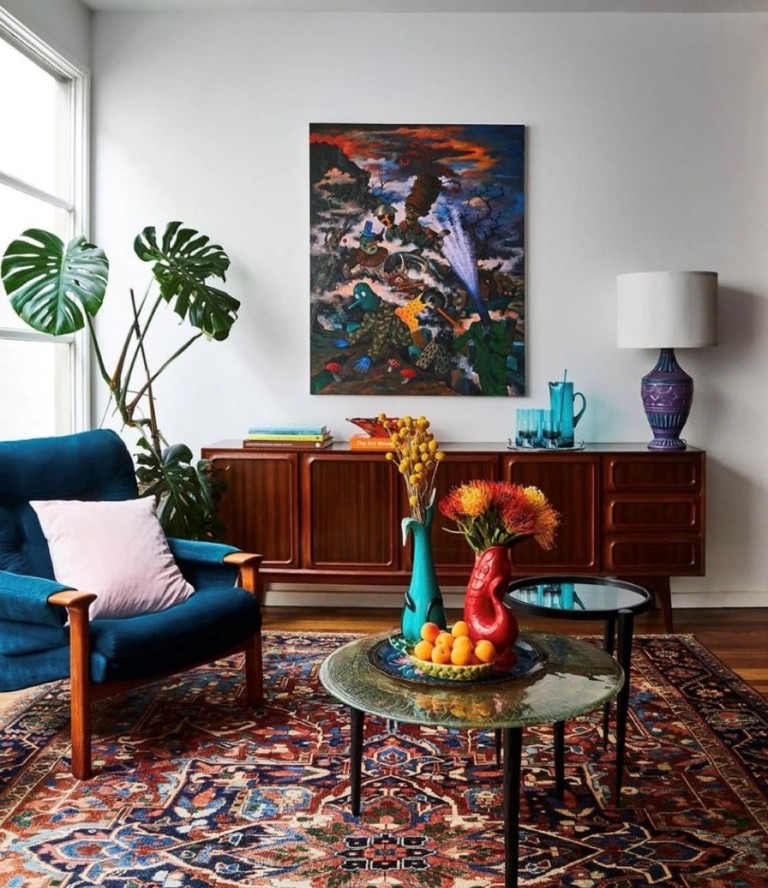
The Melbourne home of designer Liz Ride, featuring a painting by Rhys Lee. Photo by Armelie Habib
There is a curious paradox at the heart of contemporary interior design. It has never been easier to create a beautiful room. It has also never been harder to create one that stays with us.
For the first time in history, extraordinary interiors are available in limitless supply. Every day, thousands of impeccably photographed homes, hotels and restaurants are published, shared and admired. The work of the world’s most celebrated designers sits alongside emerging studios on the same screen, available with the effortless movement of a thumb.
The democratisation of inspiration has been one of the great creative gifts of the digital age. It has made design more accessible, more ambitious and more informed. It has also made visual consensus remarkably easy to reach.
Great design has always influenced what follows. The restrained Belgian interiors of Axel Vervoordt, the architectural precision of Vincent Van Duysen, or the quiet atmosphere of Aman hotels have each shaped the visual language of contemporary interiors in profound ways. That influence is something to celebrate. Every generation of designers learns by looking carefully at the work that came before.
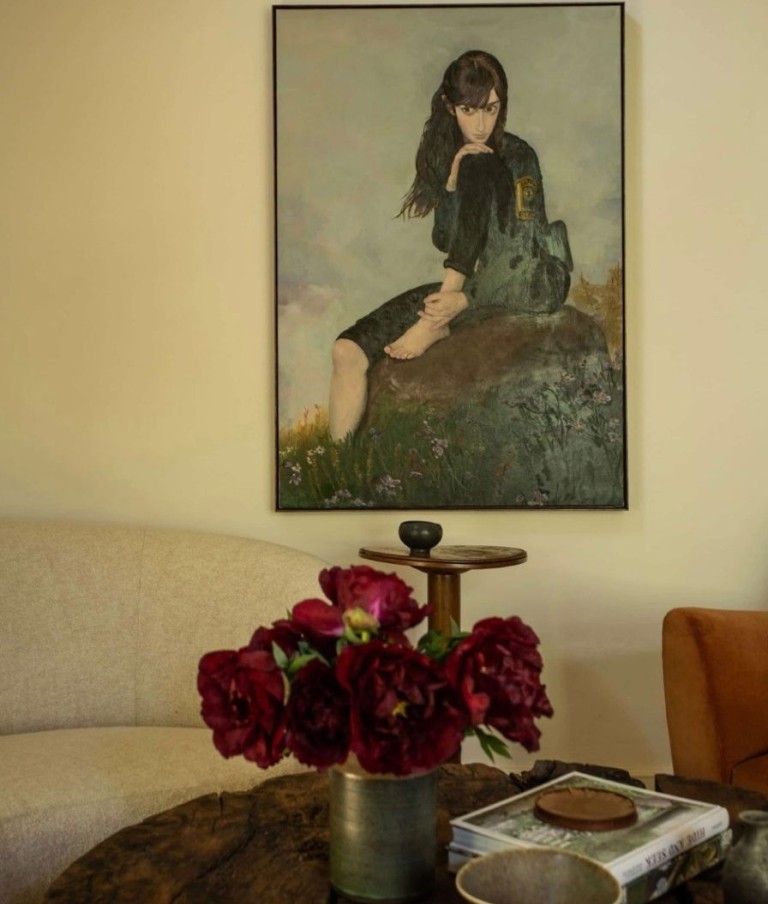
Hancock Park Tudor project by Jake Arnold. Photo by Michael Clifford
The challenge begins when admiration quietly becomes imitation—when a deeply personal point of view is repeated so often that it starts to feel like a formula rather than a philosophy. The issue is never the aesthetic itself. It is what happens when visual familiarity begins to replace individual judgement.
The most influential interiors in history were never created to become trends. They became trends because they were authentic expressions of a singular way of seeing the world. The most memorable interiors have never been defined by the furniture they contain. They are defined by the decisions nobody else would have made.
Walk into a room that stays with you and it is rarely because every object is exceptional. More often, it is because one unexpected painting shifts the emotional balance of the space. A chair inherited rather than purchased. A sculpture that introduces tension instead of harmony. Books that have clearly been read. Colours chosen for the people who live there rather than the audience who might eventually photograph them.
These are not styling decisions. They are acts of judgement. This is where the role of the interior designer has arguably become more important than ever.
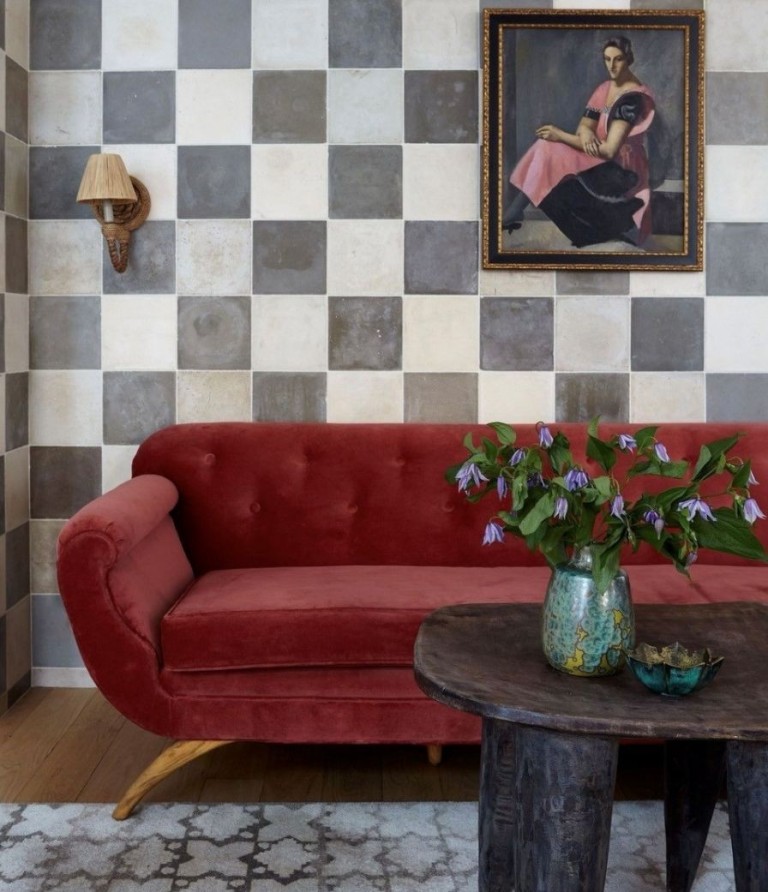
A 1940s sofa sits below a painting by Lora in a SoHoloft designed by Benjamin Vandiver. Photo by Nicole Franzen
In an age of almost unlimited visual reference, originality is no longer about inventing something that has never existed before. It is about knowing what to leave out. Knowing when to resist the obvious choice. Having the confidence to place something quietly unexpected into a room, trusting that it will reveal itself over time rather than demand immediate attention.
That kind of judgement cannot be downloaded, replicated or assembled from a mood board. It is developed through experience. Through looking carefully. Through understanding people as deeply as materials. It comes from recognising that a successful project is not one that reflects the current moment perfectly, but one that continues to feel true long after that moment has passed.
Original art occupies a unique place within that process. Unlike furniture collections or decorative objects produced in multiples, every original work arrives carrying its own history, imperfections and point of view. It introduces something increasingly difficult to manufacture: presence. Not because it is louder or more expensive, but because it refuses to feel interchangeable. The right artwork does not complete a room; it reveals something about the people who live within it.
Perhaps that explains why the interiors we return to years later are rarely the ones that followed a trend most faithfully. They are the ones that felt unmistakably like someone. In the end, the greatest compliment an interior can receive is not that it is beautiful. It is that it could never belong to anybody else.
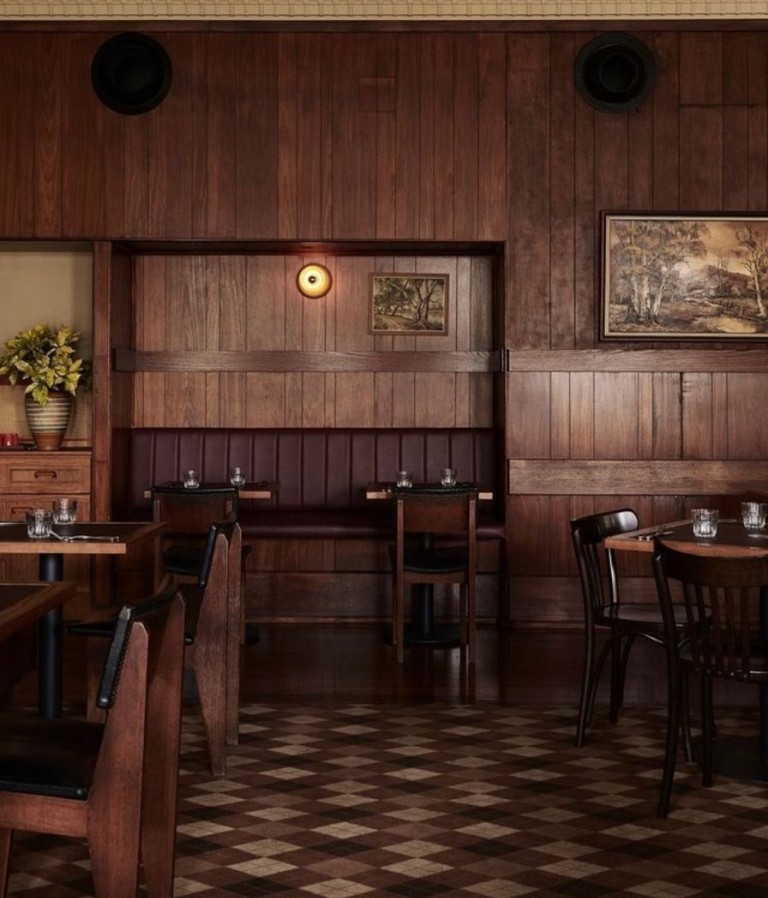
Interior of the Orrong Hotel
Exclusively for BIID members, NALA is offering a complimentary 3 months access to this service. Simply click 'Start a Free Trial' here and redeem code: BIIDMEMBER. Email partners@biid.org.uk if you have any issues.
Note: NALA | The Art Matchmaker is a BIID Platinum Partner. This article has been produced as part of our sponsored partnership programme.
Exploring the new WELL Interiors designation with IWBI Senior Vice President Ann Marie Aguilar
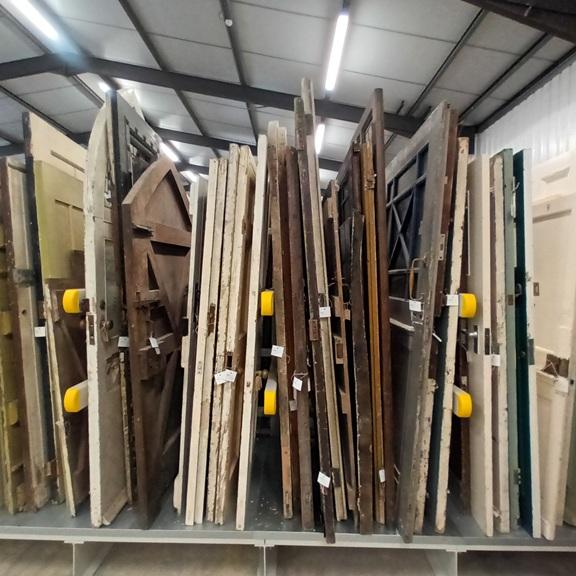
The Brooking Collection brings together architectural features spanning five centuries of British design and craftsmanship, from historic windows and doors to staircases and decorative ironwork.

We're looking for BIID Registered Interior Designer® to volunteer as mentors for our Student Design Challenge this November
Mark Lissauer of Christopher Hyde Lighting on the enduring appeal of classic lighting
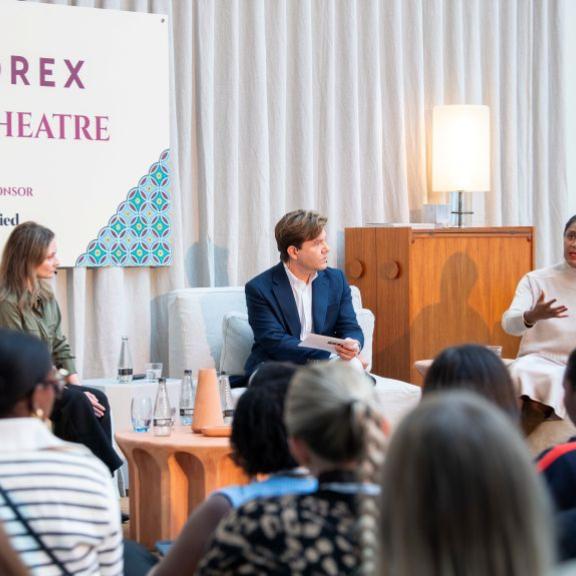
Sam Fisher, Event Director of Decorex, explains what visitors can expect at this year’s show

Practical guidance to support more responsible choices across the design and construction industries