
Planning for retirement as an interior designer
In the first of this two-part series, we discuss the legal and practical considerations of retiring

Preparing for retirement requires formulating a strategy, setting a schedule, managing admin and seeking specialist support. This begins with considering your objectives based on whether you want to close, sell or set up a succession plan.
Closing a business can feel final but also freeing and means the reputation you have built will remain your own. Selling your share, or the whole business, will be a lengthier process but may offer greater financial benefits. Passing the business to a family member or selling to a trusted senior colleague creates a tangible legacy. It will require mentoring the new owner in all operational matters. But it can ease the life shift for you and for the existing team.
In all scenarios, thoughtful consideration to the future impact for staff remains a core consideration.
Legal considerations
There are specific legal obligations for each route that you must fulfil to avoid delay or penalty for non-compliance. Solvent businesses can opt to strike off or dissolve a limited company with Companies House or start a member’s voluntary liquidation.
In the case of applying for strike off, requirements include but are not limited to:
- Announcing your plans to HMRC
- Submitting final accounts and tax returns
- Following employment law around redundancies
- Paying final wages or salaries
Voluntary liquidation starts with all directors signing a declaration of solvency. Insolvent businesses require guidance of a solicitor or authorised insolvency practitioner.
Those looking to sell may need to consider implications around an eponymous business name. If it includes your first name, will there be public (or personal) awkwardness or confusion when you are no longer involved? Do you intend to use your name for another business venture, such as part-time consultancy in a phased retirement? If you do decide to ‘strike off’, Companies House requires that your business must not have traded or sold off any stock or changed name within the previous three months.
Some key steps
Begin with a tight analysis of assets, liabilities and cash flow to determine the value of your business. Recognise any costs/debts you will need to cover between deciding to stop trading and formally closing. Obtaining a professional business valuation ensures independent assessment of factors such as:
- Revenue
- Reputation
- Intellectual property
- Growth potential
This will determine a fair market value and helps to prepare for potential tax ramifications such as capital gains tax.
The Federation of Small Businesses provides a useful guide on preparing to close a business. It recommends compiling a list of all the organisations and people you will need to contact (such as clients, insurers, landlord, HMRC, local authority for business rates etc) and putting a time frame against each task. It also offers preliminary advice on responsibilities as an employer.
When considering the desired time frame to closure, don’t forget to check termination/transfer notifications in any business agreements, for example in a lease for premises.

Insurance implications
Check the requirement for ‘Run-Off’ insurance cover. This form of Professional Indemnity Insurance is sometimes also known as a ‘retirement and run-off policy’. It offers protection against unforeseen liabilities and any claims made after you have finished trading. It applies to work done during a set period of active business years, and is referenced here - types of insurances all interior designers should hold.
Client focus
Once you have decided upon a formal closing date, and are ready to announce the wind down of your business, you can honour relationships with former clients by informing them personally. You may also facilitate introductions for current clients to other studios you respect. You will need to make arrangements to keep client files and digital records safe and confidential for as long as required (including for your own insurance and tax purposes).
Staying connected
If you wish to maintain professional industry links after you retire, consider knowledge-sharing through relevant associations. The BIID can support your transition and help you stay connected through its newsletters and events. It has retired membership which exists solely to support you at this stage.
For further reading, look to Gov.Uk for resources including:
- Closing a limited company
- Eligibility for business asset disposal relief when you sell or dispose of all or part of your business
- Consulting with employees
- Making staff redundant
This feature provides general guidance on areas to consider and should not be relied upon as legal advice. External links are provided for information only, and the BIID is not responsible for third-party content.
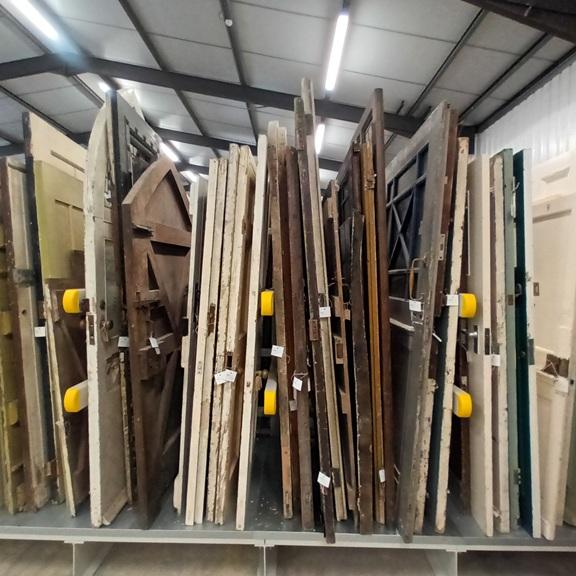
The Brooking Collection brings together architectural features spanning five centuries of British design and craftsmanship, from historic windows and doors to staircases and decorative ironwork.

We're looking for BIID Registered Interior Designer® to volunteer as mentors for our Student Design Challenge this November
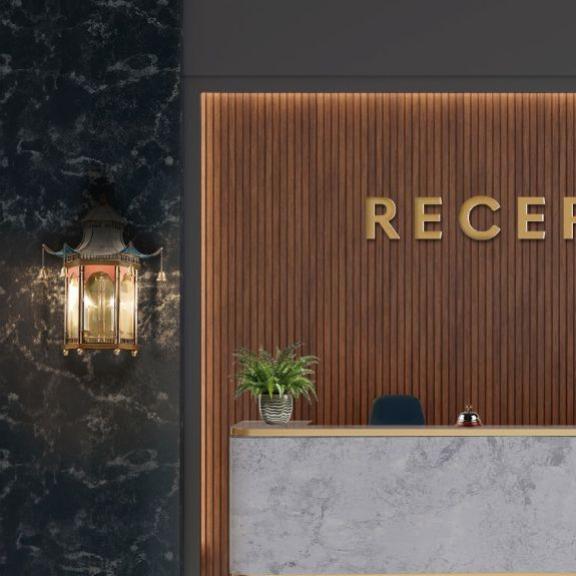
Mark Lissauer of Christopher Hyde Lighting on the enduring appeal of classic lighting

Sam Fisher, Event Director of Decorex, explains what visitors can expect at this year’s show

Practical guidance to support more responsible choices across the design and construction industries

We hear from BIID Awards Headline Sponsor Havwoods on the materials, textures and influences shaping interiors