
New architectural detail museum The Brooking Collection
The Brooking Collection brings together architectural features spanning five centuries of British design and craftsmanship. BIID Past President Jenny Gibbs, now a trustee of The Brooking, discusses the Collection
Jenny, for those unfamiliar with The Brooking Collection, what exactly is it?
It's an extraordinary collection of British architectural detail, believed to be the largest of its kind in the world, spanning more than 500 years of design and craftsmanship.
It was founded by architectural historian Charles Brooking, who began rescuing architectural features from buildings undergoing renovation or demolition. What makes Charles so remarkable is that he didn't simply save these objects from being lost. He meticulously researched them, developing an encyclopaedic knowledge of their origins, construction and historical significance.
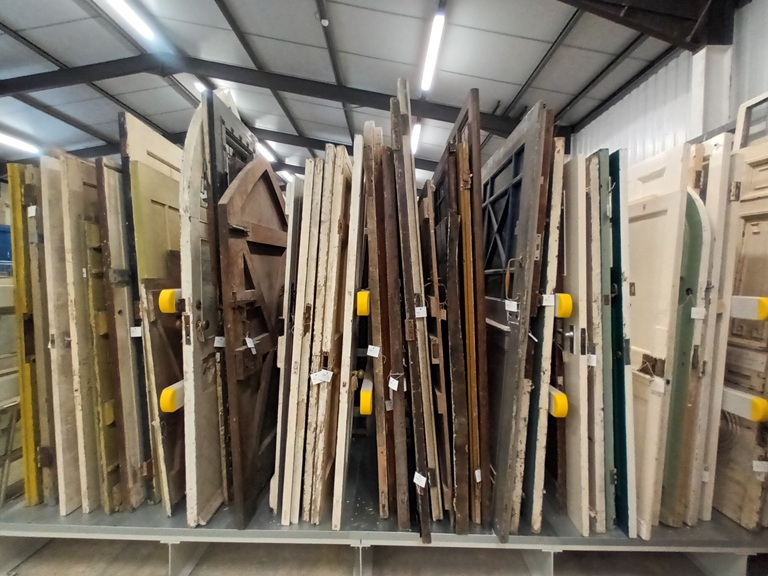
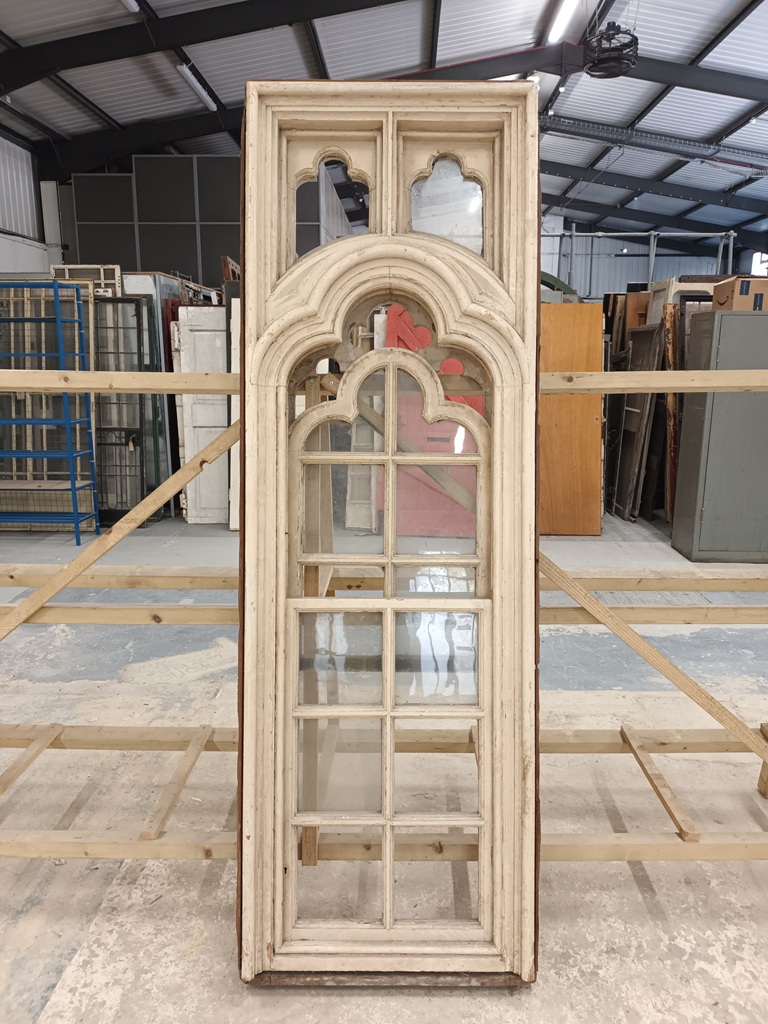
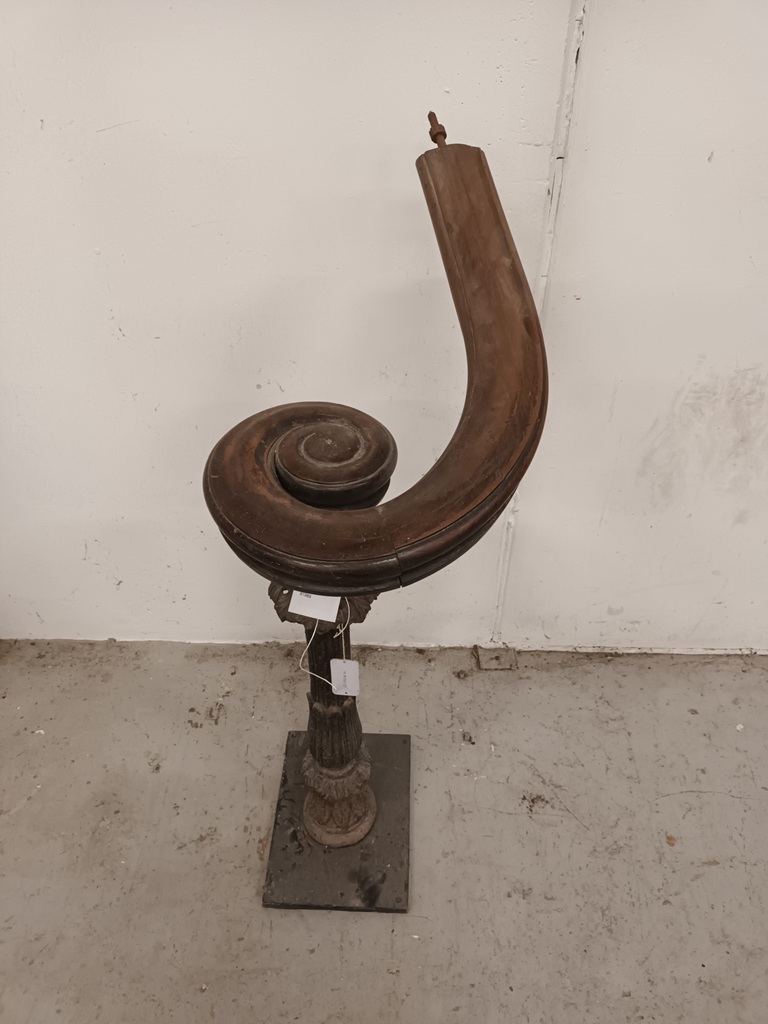
The Collection includes everything from windows, doors and fanlights to staircases, fireplaces, mouldings and rainwater goods, taken from buildings ranging from grand country houses to modest terraced homes. Each piece tells a story, not just about architectural styles and craftsmanship, but about how people lived and how their homes evolved over the centuries.
What inspired you to become a trustee?
Throughout my career in interior design and design education, I've always believed in the importance of understanding the past to inform what we create today. What particularly appeals to me about The Brooking is its celebration of craftsmanship and the extraordinary knowledge embodied in everyday architectural details. So much of this can easily be overlooked or lost altogether.
I also find Charles's dedication inspiring. His determination to rescue and document these objects has created something truly exceptional. The opportunity to help preserve that legacy, and make it accessible to future generations of designers, was something I wanted to be part of.
Why do you think the Collection is particularly relevant to interior designers?
As designers, we're constantly looking for inspiration, but there's something particularly valuable about studying original objects rather than relying solely on photographs, drawings or digital references. Imagine being able to examine an eighteenth-century window, study the proportions of a Georgian staircase or compare decorative mouldings from different periods. You can see how things were made, how materials were used and how design details evolved in response to changing tastes, technologies and ways of living.
For anyone working with period properties, the Collection could be an invaluable reference. But I think it's equally relevant to contemporary designers. Understanding traditional craftsmanship and construction can spark new ideas and encourage us to think differently about materials, detailing and the longevity of what we design. There's also an important sustainability message in the Collection. These are objects that might otherwise have been discarded, yet they still have so much to teach us.
What's happening with the Collection now?
It's an exciting period of transformation. For many years, the Collection was housed at the University of Greenwich, but a subsequent move into temporary storage meant that much of it became inaccessible and vulnerable to deterioration. The Brooking is now a registered charity and, thanks in particular to a £2.5 million grant from the Villum Foundation in Denmark, has established a permanent home in Whitchurch, Hampshire.
The enormous task of organising, cataloguing and researching the thousands of objects is under way, alongside plans to develop the site as a museum and educational resource. What's especially exciting is the prospect of bringing these objects out of storage and making them available to designers, students, researchers and anyone with an interest in our architectural heritage.
Can interior designers actually visit the Collection?
Yes, although the museum is still being developed and isn't yet open for regular public visits. Visits are currently by appointment, and there are plans for a wider programme of events and opportunities to explore the Collection. I think the chance to see these objects first-hand will be particularly rewarding for designers. There's a real difference between seeing an architectural detail in a book and standing in front of the original, examining its construction, proportions and materials.
The ambition is to create a place where people can not only discover the Collection but also exchange ideas, share knowledge and develop a deeper appreciation of the skills behind our built environment.
And finally, how can designers become involved?
The Brooking has recently introduced a Founding Friends scheme, which offers a lovely opportunity to become involved while the museum is taking shape. Friends will be able to enjoy special behind-the-scenes events, meet the people working with the Collection and follow its development, as well as connect with others who share an interest in architecture, craftsmanship and design.
Of course, becoming a Friend also helps support the important work of preserving, researching and documenting these remarkable objects so that they can be enjoyed and studied by future generations. For me, that's what makes the initiative particularly worthwhile. It's an opportunity not just to discover an extraordinary collection, but to play a small part in ensuring that centuries of craftsmanship and design knowledge are not lost.
To find out more about becoming a Founding Friend of The Brooking, visit donorbox.org/founding-friends
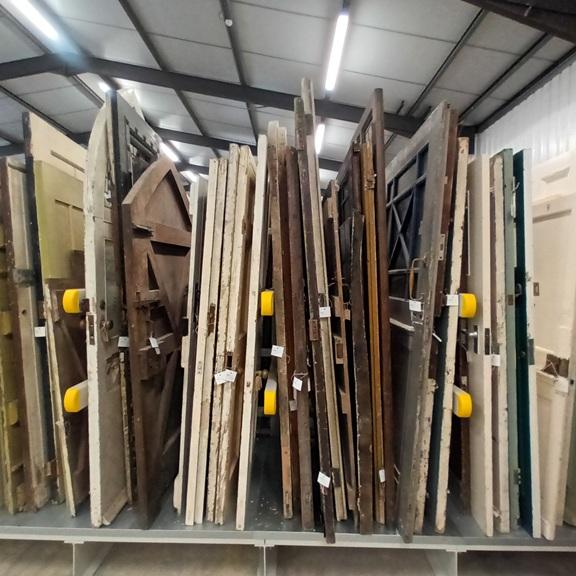
The Brooking Collection brings together architectural features spanning five centuries of British design and craftsmanship, from historic windows and doors to staircases and decorative ironwork.

We're looking for BIID Registered Interior Designer® to volunteer as mentors for our Student Design Challenge this November
Mark Lissauer of Christopher Hyde Lighting on the enduring appeal of classic lighting
Sam Fisher, Event Director of Decorex, explains what visitors can expect at this year’s show

Practical guidance to support more responsible choices across the design and construction industries
We hear from BIID Awards Headline Sponsor Havwoods on the materials, textures and influences shaping interiors