
Key Takeaways for Interior Designers: What the Building Safety Act 2022 Means for You
Not sure how the Building Safety Act applies to you? We break it down.

The Building Safety Act 2022 represents a fundamental change to how building safety is regulated in England. It was introduced to strengthen fire and structural safety throughout the lifecycle of a building. However, it is important to distinguish the parts that directly affect designers from those that apply to owners, managers and dutyholders of occupied buildings.
1. The Act strengthens building control and design compliance
Interior designers are now more firmly embedded within an enhanced Building Regulations dutyholder regime.
The Act amends the Building Act 1984 (see Section 34 – Dutyholders and competence and Section 35 – Building regulations compliance and enforcement).
Under this regime, anyone carrying out design work must ensure that:
- Designs comply with all applicable Building Regulations
- You take all reasonable steps to ensure compliance
- You are competent to undertake the work
- You cooperate with other dutyholders
This applies on all projects requiring building control approval — not just higher-risk buildings.
2. Being a “designer” now has statutory weight
The Act and associated regulations define a “designer” as anyone who prepares, modifies, or instructs design work.
This statutory role brings enforceable duties to:
- Provide sufficient information to clients and other dutyholders
- Ensure compliance with Building Regulations
- Demonstrate competence
Even if you are not appointed as Principal Designer, you retain responsibility for your own design contributions.
3. If you are appointed Principal Designer, your duties are elevated
Where the client appoints you as Principal Designer under the Building Regulations, you have legal duties to:
- Plan, manage and monitor design work
- Coordinate compliance across the design team
- Ensure sufficient information is provided to support building control approval
These duties sit within the amended Building Act framework (see Section 34 link above).
The Principal Designer role under Building Regulations is distinct from the CDM Principal Designer role, although they may be undertaken by the same person.
4. Higher-Risk Buildings (HRBs) heighten documentation and process requirements
If your project involves a Higher-Risk Building (generally a residential building of 18m+ or 7+ storeys with multiple dwellings), additional procedural requirements apply.
The enhanced regime for HRBs is set out in Part 4 – Higher-Risk Buildings:
This includes the Gateway regime (see Section 31 – Building control for higher-risk buildings).
Designers working on HRBs may need to:
- Contribute information for Gateway approvals
- Support the “golden thread” of information
- Provide documentation required by the Building Safety Regulator
However, being appointed as a designer does not make you an Accountable Person. The definition of an Accountable Person is set out in Section 72 – Meaning of “accountable person”.
That role is linked to ownership and repairing obligations for the structure and common parts.
4A. Gateway approval timings and specification constraints
On Higher-Risk Building projects, the Gateway regime introduces statutory hold points in the design and construction process. In particular:
- Building control approval must be obtained before construction begins (Gateway 2).
- A completion certificate must be issued before occupation (Gateway 3).
These controls sit within the higher-risk building provisions (see Section 31 – Building control for higher-risk buildings linked above).
In practical terms, this means:
- Changes to safety-critical elements (such as external wall materials, fire-rated glazing, window systems affecting compartmentation, or structural openings) may require formal approval before proceeding.
- Substitutions or late-stage specification changes may be delayed pending regulator review.
Programme allowances may need to account for statutory determination periods.
For interior designers, this can affect the ability to finalise or alter specifications — particularly where materials interact with fire performance, means of escape, external wall systems or structural elements.
While decorative finishes are unlikely to trigger gateway delays, any specification that affects compliance with Approved Documents (for example Parts B, A, or K of the Building Regulations) may require coordination and, on HRB projects, formal approval before implementation.
Early collaboration with the Principal Designer and contractor is therefore essential to avoid programme disruption.
5. Extended liability periods are now a material risk
The Act significantly extends the period in which certain residential claims can be brought.
See Section 135 – Extension of limitation periods under the Defective Premises Act 1972
Claims relating to dwellings can now be brought:
- Up to 30 years retrospectively
- 15 years prospectively
This applies to all dwellings, not just higher-risk buildings.
For designers working in residential interiors, this is one of the most significant changes introduced by the Act.
6. Construction products and specification
The Act introduces new powers in relation to construction products under Part 5 – Construction Products
Designers who specify products should ensure they are suitable and compliant, particularly where products relate to fire performance or structural safety.
7. Fire Safety amendments
The Act also amends the Regulatory Reform (Fire Safety) Order 2005 through Section 156 – Amendments to the Fire Safety Order
Interior designers are not automatically the “Responsible Person.” The definition of Responsible Person can be found at Article 3 of the Fire Safety Order 2005
This role generally applies to employers, building owners, or those in control of common parts.
Practical Advice for Interior Designers
- Know your dutyholder role.
- Clarify early whether you are acting as designer or Principal Designer.
- Document decisions clearly — particularly where fire performance or structure is affected.
- Factor statutory approval periods into HRB project programmes.
- Check your professional indemnity insurance reflects extended liability periods.
- Seek specialist input on Higher-Risk Building projects.
 Cut through the jargon of the Building Safety Act and get straight to what it means for you in this handy resource.
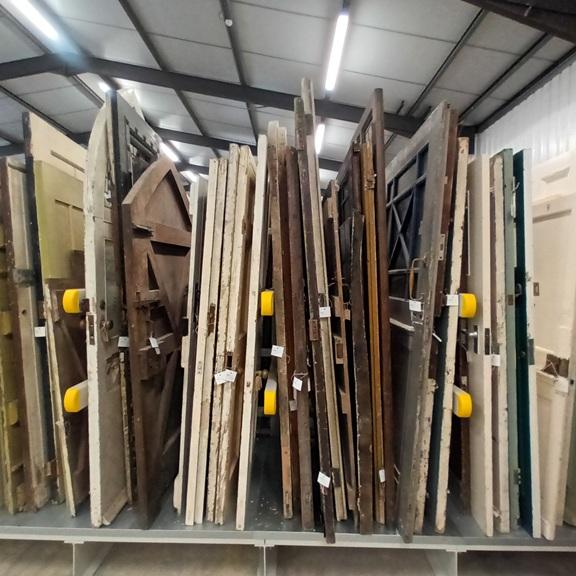
The Brooking Collection brings together architectural features spanning five centuries of British design and craftsmanship, from historic windows and doors to staircases and decorative ironwork.

We're looking for BIID Registered Interior Designer® to volunteer as mentors for our Student Design Challenge this November
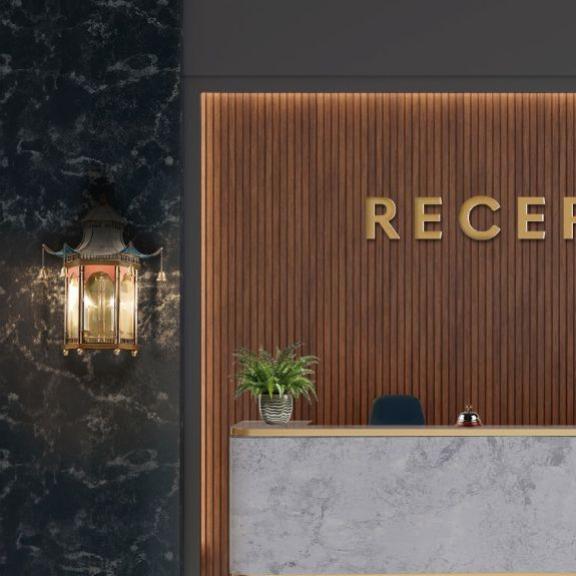
Mark Lissauer of Christopher Hyde Lighting on the enduring appeal of classic lighting

Sam Fisher, Event Director of Decorex, explains what visitors can expect at this year’s show

Practical guidance to support more responsible choices across the design and construction industries
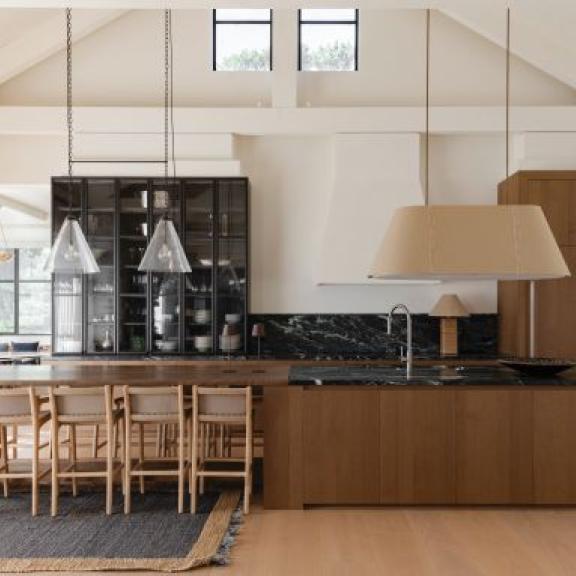
We hear from BIID Awards Headline Sponsor Havwoods on the materials, textures and influences shaping interiors