
Designing in the Shadow of the Building Safety Act: A Small‑Project Case Study
Rowena Vaughan reflects on the impact of the Building Safety Act
BIID Registered Interior Designer Rowena Vaughan reflects on a recent project in Chelsea and the impact of the Building Safety Act.

Most of us working in residential design spend our time improving the kinds of homes people live in: modest refurbishments, smart reconfigurations, and meaningful upgrades. And while many of these projects sit comfortably outside the formal scope of the Building Safety Act (BSA), the Act still has a way of influencing how we work.
This article is not formal guidance. It’s an honest reflection — from the vantage point of a designer working on small residential refurbishments — on how the BSA is reshaping expectations across the industry, often in ways that leave designers navigating uncertainty on behalf of their clients.
To bring this to life, I’ll draw on a recent project: converting a raised ground‑floor studio flat in a Victorian Chelsea conversion into a one‑bedroom home. A project that, on the surface, should have been straightforward — but quickly revealed how even small works sit in the shadow of much bigger legislative reform.
Even When the BSA Doesn’t Apply… It Kind of Does (With a Real Example from Chelsea)
Most small refurbishments don’t qualify as higher‑risk buildings under the BSA. Yet the introduction of the Principal Designer (Building Regulations) role — mandatory for projects requiring building control approval since October 2023 — has caused confusion across the industry, even on projects like mine that don’t require formal PD appointments.
A recent project of mine illustrates this perfectly: a 60 sq m raised ground‑floor flat in a Victorian conversion in Chelsea, completely stripped back, replastered, re‑supported structurally, and re‑configured from a studio to a one‑bedroom layout. Even though the BSA didn’t apply directly, the culture of heightened scrutiny it created absolutely did.
What the Principal Designer role entails
The PD (Building Regulations) role is supposed to ensure the entire design meets Building Regulations. But the industry is still working out how this differs from the CDM 2015 PD role. The overlapping terminology and responsibilities have caused widespread confusion.
In the Chelsea project: moving the bedroom to the rear created a situation where the fire escape route passed through the kitchen, considered the main source of a fire in most instances. Building control and the fire officer expected a coordinated regulatory interpretation — something that felt like PD responsibility. There were long discussions about exiting from the rear window and if the garden depth was sufficient should the building be completely aflame. With this in mind the fire officer recommended additional fire suppression systems were required.
What “competence” now means
Competence must be demonstrated and aligned with regulatory expectations. But with no universal competence framework in place, designers often aren’t sure what qualifies them to operate under the new requirements.
In the Chelsea project: fire officers advised on escape distances and suppression needs, but no single authority owned the final interpretation. Stitching the advice together became part of the design role. The main contractor and I, having worked on similar projects recently recommended a misting system which had the approval of the fire officer and building control.
Who is qualified to take it on
Without a standardised definition, designers worry they may take on responsibilities they can’t safely carry.
In the Chelsea project: building control, fire officers, and suppression specialists each offered partial guidance but stopped short of full responsibility. The coordinating role fell back to me.
How liability plays into it
Liability concerns have increased industry‑wide, especially since limitation periods for certain defects have expanded.
In the Chelsea project: all advice came with disclaimers. Responsibility drifted subtly toward the designer and client. I had to clarify the information and ensure that the client was aware of the advice and the decision that was made – install the misting system – and that they were aware of the ongoing maintenance that would be required for insurance.
Whether insurance will cover it
PI insurance has become more restrictive, especially around fire safety.
In the Chelsea project: the decision to install a misting system required specialist coordination and raised questions about insurability, even without a formal PD appointment.
The Bodies That Should Clarify Things… Aren’t Fully Ready Yet
Government guidance directs designers to the Building Safety Regulator (BSR) and other new oversight bodies, but many are still building their operational processes. Designers are often left piecing together advice from multiple sources.
The Gateway System’s Ripple Effect
The Gateway system applies to higher‑risk buildings, but its influence affects everyone. Gateway 2 in particular is causing industry‑wide caution, raising expectations for documentation and precision. For all projects now I request and file the FR categorisation for materials I specify.
Cladding, Fire Safety and a Culture of Caution
The national focus on fire safety — including ongoing cladding remediation — has created a sector‑wide culture of caution. This influenced the Chelsea project through discussions about escape distances and suppression.
Lessons From a Small Project in a Big Regulatory Era
- Clients expect deeper knowledge of fire safety from me as a designer
- No single authority provides complete clarity
- Documentation and decision‑making matter more than ever
- Collaboration with specialists is increasingly essential.
- Designers are becoming interpreters of fragmented advice.
Final Thoughts for BIID Members
Small projects may not sit at the heart of the Building Safety Act — but they sit in its shadow. Designers often become the practical interpreters of evolving regulations, helping clients navigate uncertainty with clarity and confidence.
Read the BIID Resource Key Takeaways for Interior Designers: What the Building Safety Act 2022 means for you for further support in this area.
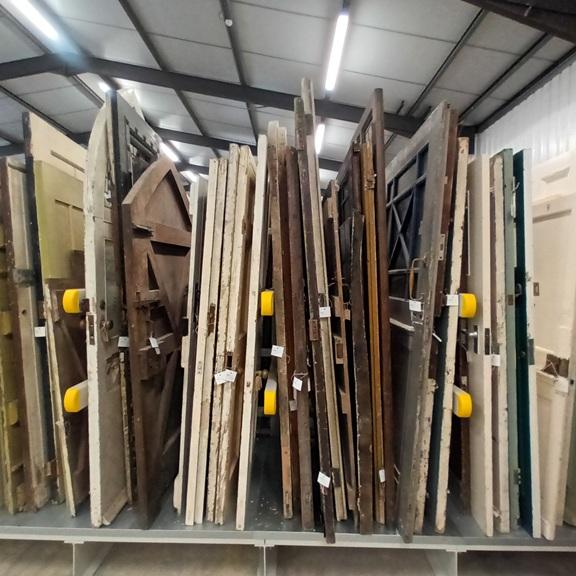
The Brooking Collection brings together architectural features spanning five centuries of British design and craftsmanship, from historic windows and doors to staircases and decorative ironwork.

We're looking for BIID Registered Interior Designer® to volunteer as mentors for our Student Design Challenge this November
Mark Lissauer of Christopher Hyde Lighting on the enduring appeal of classic lighting

Sam Fisher, Event Director of Decorex, explains what visitors can expect at this year’s show

Practical guidance to support more responsible choices across the design and construction industries

We hear from BIID Awards Headline Sponsor Havwoods on the materials, textures and influences shaping interiors