
SPAB Approach: What Do Interior Designers Need to Know?
Working with ancient buildings? Learn about the key principles that impact your work
As an interior designer, it can be difficult to juggle repair, restoration, and conservation when working on older buildings. The SPAB approach is only one method when working on historic buildings, but it is the one which others are measured against and the basis of a lot of UK heritage legislation. The approach is based on the SPAB’s original manifesto and details how professionals, including interior designers, can protect built heritage through sustainable conservation methods. Check that you know the basics of the SPAB approach before starting work on architectural heritage.
What is the SPAB?
The SPAB, or the Society for the Protection of Ancient Buildings, spearheads the approach which the modern building conservation movement is built on. It started with a manifesto created by William Morris 140 years ago, based on ideas first originated by John Ruskin. These ideas saw the restoration of older buildings as a destructive process that seeks to erase later change and return buildings to their original, past form. Now, the society prioritise the needs of built heritage over that of professionals, including interior designers, and their clients, and adapts to the challenges that each age presents for these properties.
What is the SPAB Approach?
The SPAB approach interprets the manifesto for professionals, including interior designers, who work on, manage or repair older buildings. It offers practical guidance, including sustainable conservation and repair methods. This promotes the value of preserving and caring for the fabric of old buildings.
What is Building Fabric?
In the SPAB Approach, a building’s fabric is the material from which it is constructed. This material holds and retains meaning, ideas, tastes, history, and character, among other qualities. The society suggests that wear and tear adds beauty to this fabric. Building fabric is important to the SPAB as they believe that it is impossible to restore a building to its original form through restoration; the surviving fabric is the most important facet of a building over its original design.
What Are the Main Takeaways for Interior Designers?
The SPAB approach encourages interior designers and other professionals to consider the legacy that they leave for future generations and building users.
This includes:
Regular Maintenance
Rather than immediately commit to major works and redesigns, which could be destructive to a building’s fabric, interior designers should discuss with their clients whether maintenance is an alternative option.
Understanding
You should try to understand the building that you are working on, including its history, design and construction, and the changes that were made to it in the past, before making any decisions. These past changes may have added interest and value to the building, and reversing these would harm the building’s fabric. However, these changes may need to be reassessed if they have caused damage in the long-run.
Your understanding of a building should consider structural issues, too. In most cases, you should wait and monitor these structural issues, working alongside them, rather recommending that they are fixed.
Context and Continuity
A building’s location affects its fabric, including its materials and wear and tear. Due to this, any design projects that you work on should, where possible, be conducted on-site. This will preserve more of the building’s existing fabric.
Respect for Age
The SPAB suggests that signs of age distinguish old buildings from new. You should encourage your clients to retain them, unless they become a problem for the building or its users. Instead, you should recommend careful interior repairs to slow the building’s decay.
Essential Work Only
It is important that you only carry out essential design work for your clients. You should encourage clients to leave historical buildings alone if they have no problems or if the problems have no effect on the use or conservation of a building. This can reduce the effort and cost for both you and your clients, while retaining the original fabric. You can make an exception if your designs will improve accessibility or have long-term benefits for the property.
Repair Not Restoration
Your focus should be on repair rather than restoration. This will preserve the building’s signs of age and its interactions with past users. You should only return or restore damaged or missing interior elements if they prevent the building from being functional.
Conservative Repair
Although it can be easy to fall into the trap of restoration, you should focus on conservative repair as this will retain more of the original fabric. You can do this through thorough planning and investigation, as well as an understanding of the element of the property that you are working on. This may include matching your new work with existing building materials. Not only this, but you should always recommend that your client uses a skilled tradesperson who has the appropriate craft skills and can conduct modest and quiet repairs.
Fitting New to Old
You should fit any new work that you complete to the old, rather than levelling off the original structure to accommodate your project, even if this makes your project more challenging. 
Materials
It is important that you work with traditional materials that match the fabric of the building. In some cases, though, it is acceptable to choose newer materials. This can allow the new elements to be instantly differentiated from the old and will show that work has been completed on the building. They may also allow more historical fabric to be preserved.
You should also avoid reusing materials from another building. This can confuse the history of a property and can damage the building that they are taken from. By investing in materials made using traditional methods, you will be helping these trades to continue for future work and repairs.
Proven Methods
Regardless of how much planning you do, you should only recommend or use tried and tested conservation techniques on older buildings. Many newer, untested techniques have harmed the older properties.
Practical Knowledge
You should make sure that you have the appropriate level of heritage and conservation knowledge before starting on a project for a client, as well as previous experience of the repair methods that will be integral to your designs. The SPAB offers training in this field.
Good New Design to Complement the Old
Sometimes, you may need to perform sympathetic alterations to give your client’s building new life and continue its usefulness. However, if these changes are going to damage the building’s fabric, you should start completing designs for an entirely new and functional building. This new building should complement the existing one, without mimicking or competing with it. It is also vital that this new building does not harm the old or create future maintenance issues.
Emergency Work and a Long-Term View
You should consider a building’s long-term needs. In many past cases, repair has not seemed important or possible, including financially, only for this to become desirable or viable in the future. If full repair is not possible, you might focus on temporary works that can buy a building time and halt its decay.
Sustainability
In short, your designs should centre sustainability, including sustainable repair methods. This will preserve a building’s stories and beauty and ensure that the properties you work on will survive and be enjoyed by future generations.
Further Information
If you are looking for further information, you can download The SPAB Approach online.
Disclaimer – This article has been created from guidelines so that interior designers can find out key takeaways from The SPAB Approach. The BIID takes no responsibility for the compliance of interior designers and The SPAB Approach based on this document.

Exploring the new WELL Interiors designation with IWBI Senior Vice President Ann Marie Aguilar
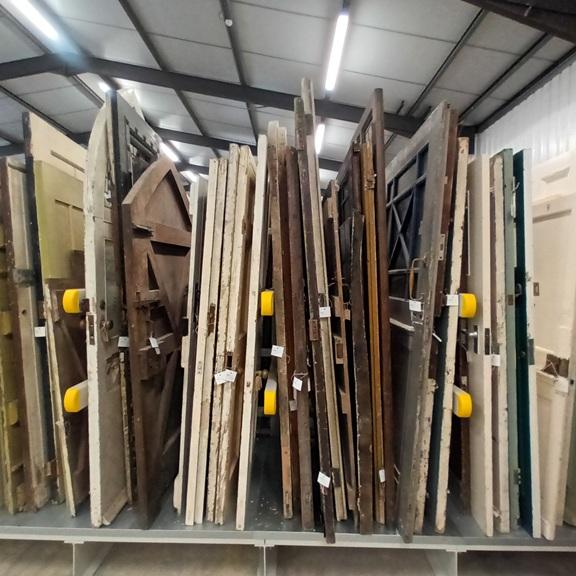
The Brooking Collection brings together architectural features spanning five centuries of British design and craftsmanship, from historic windows and doors to staircases and decorative ironwork.

We're looking for BIID Registered Interior Designer® to volunteer as mentors for our Student Design Challenge this November
Mark Lissauer of Christopher Hyde Lighting on the enduring appeal of classic lighting

Sam Fisher, Event Director of Decorex, explains what visitors can expect at this year’s show

Practical guidance to support more responsible choices across the design and construction industries