
Time Management Tactics For Interior Designers
The success of any studio is underscored by focus upon good time management. We consider how to plan for efficiency, productivity, better life balance and long term growth.

Most practices have strong protocols for monitoring the key deadlines for each stage of a project yet may not dedicate the same attention to effective strategies for overall business workflow or formulating longer-term goals.
A well-structured diary needs to allocate ‘time boxes’ for intensive creative focus and new business pitches as well as for regular slots of concentration upon operational elements, from finance and marketing to IT. Working in time blocks, each with a clear-cut focus, has been proven to reduce distraction and enhance productivity. Crucially though your diary will also block out sacrosanct days for future planning in the form of annual and quarterly objectives.
For many business owners bowed by daily and weekly pressures or caught in continual fire-fighting mode, the concept of planning a year or more ahead can seem counterintuitive and almost impossible. Yet taking time out to future plan is not only fundamental to growth it is the key to avoiding a ‘feast or famine’ model. It helps define a path for action which can be broken into manageable incremental milestones and monitored with monthly and weekly reviews, taking control of your business and avoiding professional demands bleeding relentlessly into your personal life.
Values and priorities
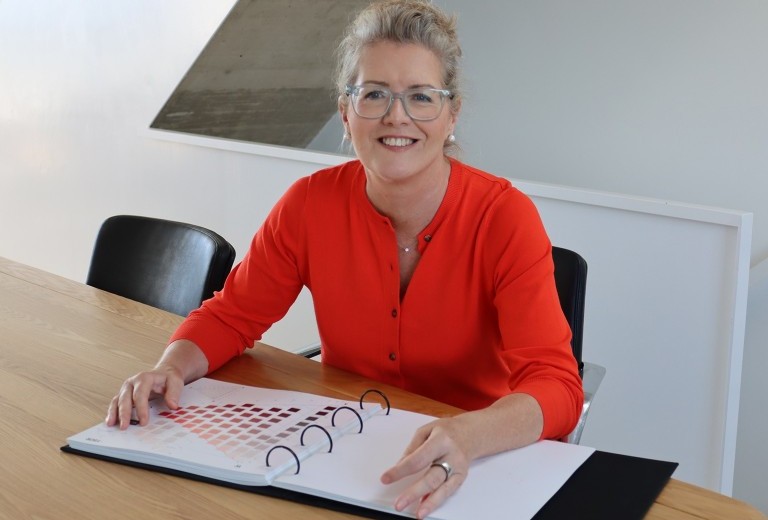
At a recent BIID event, Julia Begbie – strategic business coach, professional skills trainer and interior design veteran – revealed that objectively assessing your personal values and setting your top five overarching business priorities is vital for time efficiency. She advised “The interior designers that I work with who are having the best results - who have full pipelines, good working relationships and who attract the right kinds of clients (meaning those who value them and actively desire to work with them) – are those who have done the very hard work of grappling to discern their governing values, and run their businesses on these principles.:” She expands “Knowing your values gives you a sort of peace to exist in your lane, helps you make decisions about the things that get put into your diary and the things that you are going to allow yourself to let go…It helps you select each course of action with intention.”
Julia is an advocate of time blocking and starts each week with a 60-minute session to formulate a ‘to do’ list, rigorously assessing and ordering tasks by importance and urgency (Those that are both important and urgent come first, those that are urgent but not important can be left lower on the to-do list, delegated if possible or perhaps even let go). A 15 minute review each morning keeps each week on track.
Recognizing peak performance times
A report in the Harvard Business Review references the importance of your chronotype and recognising which times of day you are best able to concentrate on intellectually demanding tasks, and which are better allocated to gentler, familiar but still productive activities. Observant managers might time tasks in relation to a team’s chronotypes for best performance.
In all cases, ensuring regular breaks away from one’s desk, ideally with a walk for fresh air and a change of view, gives necessary respite and rejuvenation from cognitive fatigue.

Maximising productivity/ Minimising distraction
- Value your time in relation to hourly or daily business rates.
- Set boundaries for meeting time frames. Don’t allow them to overrun. We almost always ‘fill’ the time we have.
- Batch small but still necessary tasks. It’s more efficient than tackling these in ad hoc time pockets. Diarise time to write or film multiple social media posts and schedule for the week, or tackle a pile of invoices, for example.
- Battle procrastination by committing to 20-30 minute speed sessions, these may help get into a flow state; but if not, take a break, repeat and thereby complete an hour before you know it.
- Limit checking and answering emails to three times a day – morning, lunchtime and before sign off. Or make a quick call to avoid a drawn out email exchange to avoid these time thieves acting as repeated distractions from bigger tasks. Consciously label (and relabel) email headings and segment specific topics on specific chains for searchability.
- Say no.. to events and requests that don’t fit either your personal values or your business objectives. Focus energy on what truly matters.
- Don’t let perfectionism hold you back from completing a task well but on time, then moving on.
- Reward yourself for time efficiency. If you finish as planned, prioritise social and health activities. Don’t feel compelled to backfill with unplanned work.
Found this useful? The BIID resource library is full of resources to help you in your professional practice.
Julie Begbie will be leading the upcoming BIID event AI Foundations for Interior Designers: Working Confidently from First Principles.

The Brooking Collection brings together architectural features spanning five centuries of British design and craftsmanship, from historic windows and doors to staircases and decorative ironwork.

We're looking for BIID Registered Interior Designer® to volunteer as mentors for our Student Design Challenge this November
Mark Lissauer of Christopher Hyde Lighting on the enduring appeal of classic lighting

Sam Fisher, Event Director of Decorex, explains what visitors can expect at this year’s show

Practical guidance to support more responsible choices across the design and construction industries

We hear from BIID Awards Headline Sponsor Havwoods on the materials, textures and influences shaping interiors