
Inclusion Focus Group - Next Steps Announced
Our proposed next steps following on from our recent Inclusion Focus Group

Following on from the recent Inclusion Focus Group, we would like to thank all participants for their time. They had a number of excellent suggestions for actions the BIID could take that we will discuss here, alongside some additional context.
Short term actions proposed by participants:
- Publish a short summary of the focus group and a thank you to contributors:
You can read this here. - Circulate a follow up survey to the BIID’s wider audience:
We have no plans to action this in the immediate future as our experience over the past few years (in common with many other organisations) is that online surveys have very poor response rates. Our experience with disappointing survey response rates is part of the reason we decided to commission the focus group; we hoped a different research format could lead to deeper insights. - Review the wording the BIID uses around inclusion, excellence and standards:
We have endeavoured over the past few years to ensure all language used across our platforms is considered and inclusive, and this is a good reminder to continue to do that and to continually improve in this area. Begin planning a disability-focused listening exercise with lived-experience input:
Plans for this are underway, and we are looking into how we can best design this research, given the aforementioned low response rates to online surveys.
Medium term actions proposed by participants:
- Launch a visible storytelling strand across the website and social media featuring designers from different backgrounds and geographies:
The BIID has been utilising its platform to showcase a diverse range of designers for many years in our features, as well as including them as contributing writers for articles on various subjects and panellists at events. We will continue to explore ways to better showcase members to highlight different backgrounds and geographies. If you are a member who is interested in being showcased, please get in touch! - Produce a public-facing ‘What interior designers actually do’ campaign:
The challenge of changing the public perception of what designers to is a decades long problem and the BIID has aimed to convey the complexity of the role via content published by us and our partners, public facing events and mainstream media coverage of our designers and their work. We agree that the idea of a campaign to communicate the skills and knowledge of interior designers is an excellent one but rather than rush something out, we want to take time to develop something with real impact. It is incredibly hard to cut through the ‘noise’ on social media so we want to ensure that we have something valuable and original to say that will engage people. - Test lower-cost, sponsored, or open-access entry routes into selected BIID events:
We offer discounted rates to students for many of our events and a significant percentage of our events are completely free of charge for members to ensure accessibility. It is not possible to offer significant discounts to some higher cost events such as specialised small group training and awards ceremony tickets due to the fixed costs that we face from vendors and venues. Any revenue we make from events is invested back into the BIID initiatives so reducing income from evets by offering discounted entry routes to a small group of people is not necessarily the best way to achieve more inclusive outcomes. - Start work with colleges, universities, and schools on earlier profession awareness:
The BIID has longstanding relationships with many colleges and universities and numerous student initiatives that help educate students about the profession and showcase their talent. These include our Student Design Challenge, Student Drawing Competition and Life After Graduation event. In addition, the free student membership we offer to interior design students means they are able attend many of the events we put on for our members year-round and learn directly from working professionals. Our groundbreaking student diversity analysis, published in 2020, demonstrated that the average UK interior design degree student was more likely to come from a lower socio-economic background, more likely to be from an ethnic minority and more like to be disabled than the general UK student population. Plans are currently underway to repeat this research but currently it appears that the barriers to entering the profession are arising at a post-graduate level for many students and it is for this reason we have not done any significant schools initiatives in recent years. - Explore a mentoring, sponsorship, or bursary pilot:
The BIID currently offers various mentoring and support opportunities to its student members, in addition to those at various levels of professional membership. For more details, please see this section of our website. As a membership organisation, we feel the best way we can continue to offer support across the profession is via the benefits offered by being a member. Bursaries are something that we would consider but with the acknowledgement that as a not-for-profit organisation any funds that are offered to particular individuals in the form of bursaries or scholarships are funds that are not spent on other initiatives.

Longer term actions proposed by participants:
- Publish an annual inclusion snapshot, even if the data remains partial:
Unfortunately it is virtually impossible for the BIID to produce diversity and inclusion statistics on the UK interior design profession with our current limited resources. The government uses a system called ‘Standard Occupational Classification’ (SOC) codes to classify all employees in the UK and there is not a standalone code for interior designers. Interior designers are classified under ‘3422: Product, clothing and related designers’. This means that the government does not have reliable publicly available statistics about how many interior designers there are in the UK, let alone any demographic statistics (for example: gender, ethnicity, age, socioeconomic background) of the profession. It would be incredibly complex and expensive for the BIID to commission credible research to establish reliable data about the profession that could then be used to track progress on its diversity over time. For this reason, we have focused on research where high-quality data is available, such as our student diversity analysis mentioned above, and taken a more individualised approach of focusing on case studies, events and other initiatives to try to enact change on a smaller scale. - Introduce at least one structured accessibility guidance resource or pilot:
The BIID has published several pieces of content related to accessible design over the past few years (please see here, here and here for examples) in addition to running several events on the topic (please see here, here and here for examples). We will continue to explore how we can better provide designers with resources on this very important topic. - Build formal feedback loops showing what BIID has changed in response to consultation:
We will publish regular updates on our progress in this area. - Review committee and advisory structures through an inclusion lens:
We will review the various policies and guidance in place that cover the work of Council, committees and other volunteer-based groups to see how we can ensure that a diverse and inclusive approach is always centred. - Develop broader partnership working with external communities, networks, and education bodies:
The BIID has longstanding partnerships with organising doing important work in the design and built environment, including the Construction Industry Council, Creative UK and RIBA and we recognise the value of building even more collaborative partnerships that can benefit the wider profession.
We would like to extend our gratitude again to all the participants who so generously donated their time to participating in this focus group. The BIID would not exist without the generosity of individuals who volunteer in many different capacities for the long-term benefit of the profession.
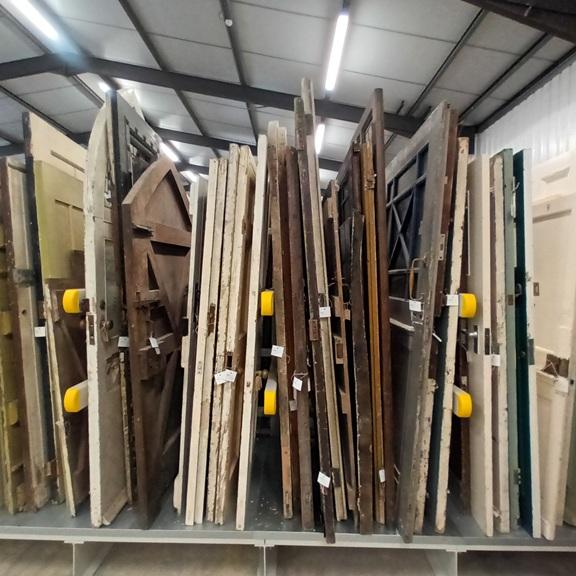
The Brooking Collection brings together architectural features spanning five centuries of British design and craftsmanship, from historic windows and doors to staircases and decorative ironwork.

We're looking for BIID Registered Interior Designer® to volunteer as mentors for our Student Design Challenge this November
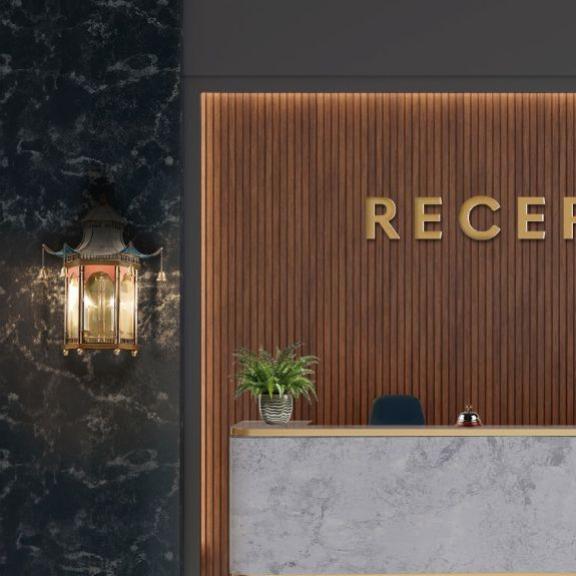
Mark Lissauer of Christopher Hyde Lighting on the enduring appeal of classic lighting
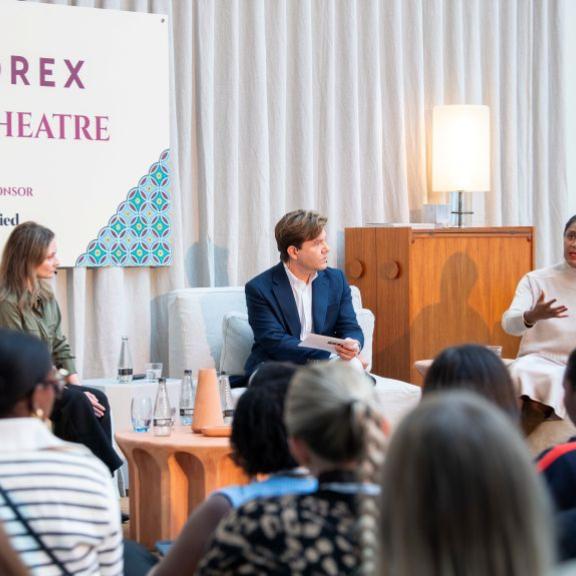
Sam Fisher, Event Director of Decorex, explains what visitors can expect at this year’s show

Practical guidance to support more responsible choices across the design and construction industries
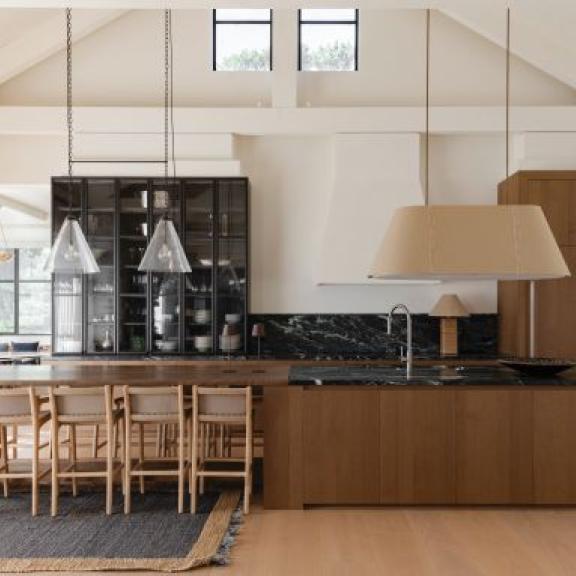
We hear from BIID Awards Headline Sponsor Havwoods on the materials, textures and influences shaping interiors