
Behind The Scenes Of BIID Panel Discussions
Ever thought about participating in a BIID panel? We talked with three designers about their experiences
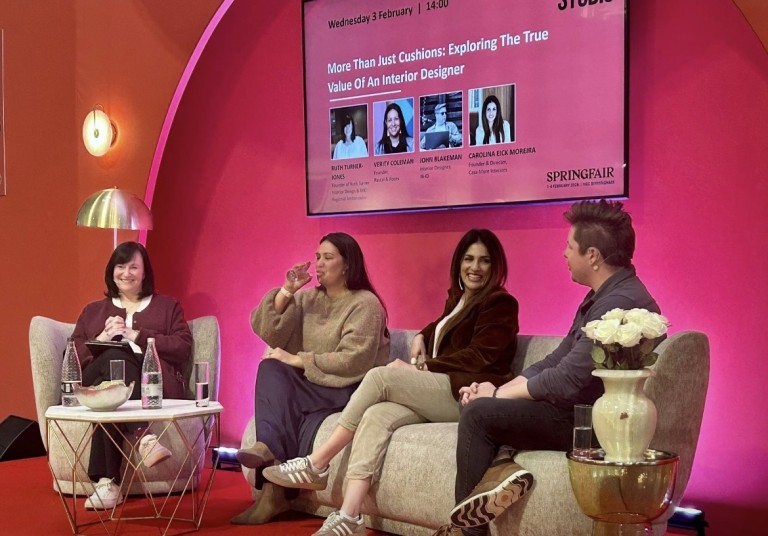
The BIID marketing team works with event organisers to create panels featuring Registered Interior Designers®. Panels have taken place at shows including Surface Design Show, Decorex, Focus, Grand Designs Live and Clerkenwell Design Week. We spoke to some of the designers involved about their experiences.
The Panellists' view
Omar Bhatti
Omar Bhatti is founder and Creative Director of Space Shack LTD, a London-based studio with an architectural specialism that transforms fragmented spaces and creates harmonious and functional spatial layouts (private residential, commercial and multi-unit developments). He has talked at Focus and Decorex, including on topics such as the intersection of AI and design.
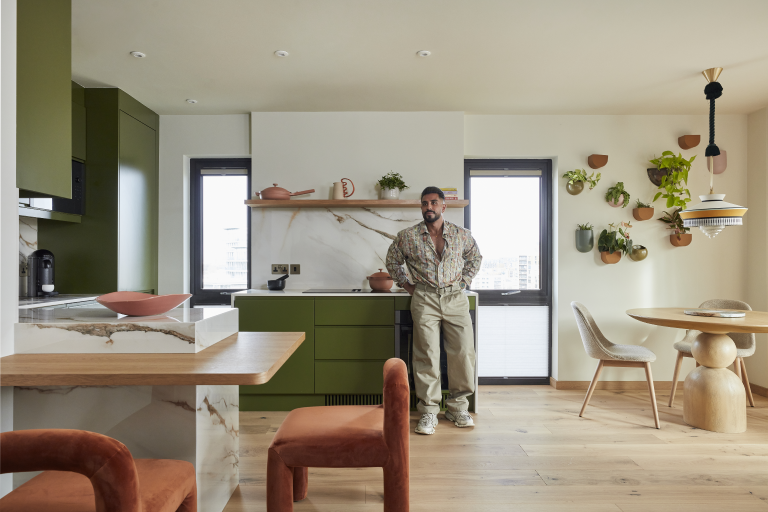
Omar says “Over the past few years while building my profile, I’ve recognised a gap in the interiors market for male representation. So when I was first approached by exhibition organisers, it seemed a great opportunity to express a different, younger and hopefully useful perspective within the sector. Naturally I was nervous but I think I have an ability to really listen and hold a conversation, and I believe it’s important to push yourself. I’ve found speaking in a room of peers to be a supportive environment. It reminds you that the topics that mean something to you can be of great interest to others. I get lots of warm feedback which is definitely a confidence boost.
Taking part is a great way to build connections and I’d say to others - if you feel you have a different point of view or something of value to be heard, put yourself out there.
Being visible is key in business (a topic I cover regularly on socials); the more you are seen, the more you are taken seriously. You can’t sit and wait behind the scenes, no matter how good you are. You won’t necessarily get direct work as a result but you’ll meet suppliers, makers and peers who may then be more inclined to recommend you. You never know what doors it will open.”
Ruth Turner-Jones
Ruth Turner-Jones is Senior Interior Design Consultant at her eponymous studio in Milton Keynes. She is also a BIID Regional Ambassador and regularly acts as both chair and panellist at design events outside of London including Grand Designs and the Spring Fair, NEC.
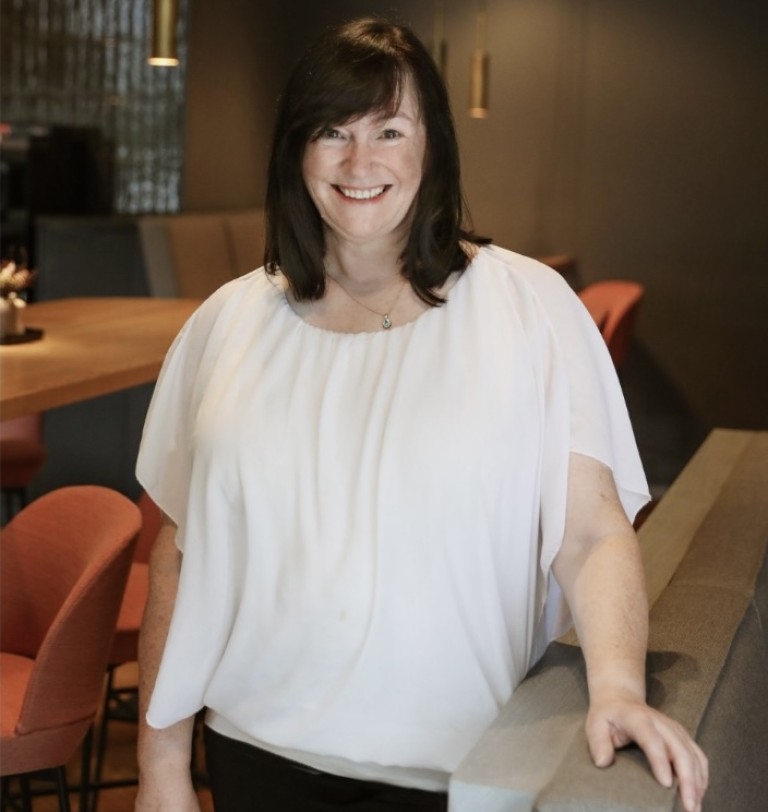
Ruth adds, “All the seminars I’m involved in are for audiences of self-builders or whole home renovators seeking relatively broad information rather than the more niche topics discussed at events for professionals. There’s quite a gap in understanding among the general public of where the role of an architect ends and the work of an interior designer begins and it’s become a bit of a mission of mine to inform people about exactly what interior designers do and the skills and value they bring to projects.
Being a chair or panellist can make your name known within the sector but I’ve never done this for a professional outcome, and never got a job as direct result. I have knowledge I’d like to share and think it’s so important that our industry makes a direct connection with the public to change misconceptions of those who think of our work as a bit ‘flouncy’ rather than technical, practical and spatial.
Meeting and learning from other designers is a really enjoyable aspect of involvement. Meeting Kevin McCloud was a plus! To anyone considering joining a panel - just give it a go. You’ll be nervous at first but all BIID members know what they are talking about and when you get started you’ll find the conversation flows.”
Carmelina Dalton
Carmelina Dalton is founder and Creative Director of Kemsi Design, a London-based practice that prioritises emotional connection and physical experience within a space by giving deep consideration to ‘the feeling’ engendered through every detail.
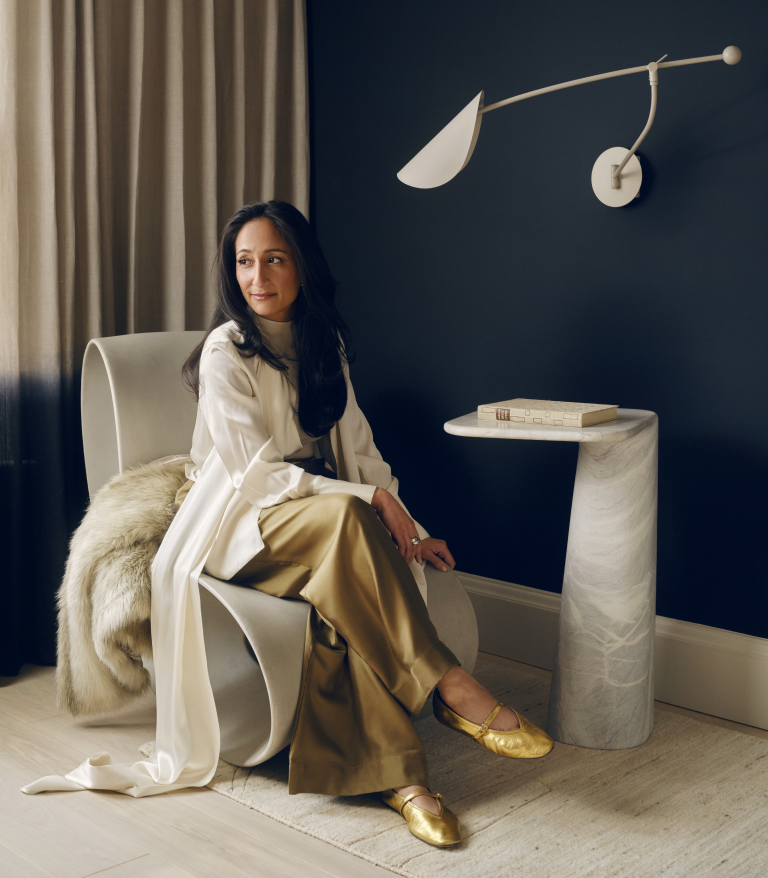
Carmelina reveals “I’ve spoken on a lot of panels including at Design Centre Chelsea Harbour, The Knightsbridge Partnership, Decorex and Clerkenwell Design Week. Topics have ranged from sustainability and relationship building to what it’s like to own a successful interior design company or what clients want in real estate. At first I did a lot of preparatory practice but now, because I speak so often, I’ve become used to an audience. I find it’s better to offer insights and experience straight from the heart rather than being overly rehearsed. All panellists can bounce off their peers; and everyone is in the same boat and supports each other on stage.
It’s nice to pass on knowledge, particularly when trying to support younger professionals. Seminars also give an opportunity to talk to end users and clients as well as other designers. Adding speaking experience to your website - like highlighting awards - builds authority and client trust. And it can open new opportunities. Recently I’ve been approached for a project specifically because a client heard my ethos, recognised my practice and approach was exactly what they were looking for.”
What can you expect from being a panellist?
The formats vary but often feature three panellists led by ‘a chair’ or ‘fireside chat’ between interviewer and interviewee. Solo presenters are rarer.
Once a panel is confirmed, chairs liaise with panellists to glean key insights each would like to impart; they may also organise a pre-emptive group introduction. Experienced panellists advise full talk rehearsals can dilute spontaneity on stage.
Those wishing to make the most of the opportunity can increase their pre- and post-event visibility by promoting their involvement on social media and in newsletters, amplifying the event’s standard marketing activity. Some events teams create pre-designed ‘assets’ for use on your platforms. Occasionally, talks are professionally recorded for evergreen content on dedicated channels.
Runtime is 45-60 minutes (from 30 minutes for solo speakers), including audience questions. Involvement is generally unpaid.
On the day, dress to suit the sitting (chairs, low sofa or bar stools) and to accommodate audio tech. You may be given a hand-held mic, a lapel mic or a headset with a power pack to pop in a pocket or clip to a waistband.
Interested in participating in a BIID panel? If you're a current Registered Interior Designer®, please email us your headshot and short bio.
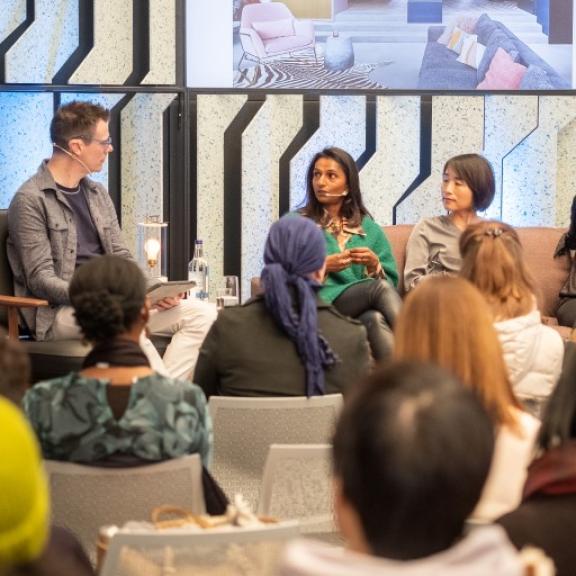
Ever thought about participating in a BIID panel? We talked with three designers about their experiences
Clockwork Removals on Sustainability, Service and Seamless Project Delivery

Q&A with 2026 Sustainability Awards Sponsors, Williams & Yates

Meet the candidates standing for election to the BIID Council in 2026
After 20 years of interior design, Emma Sims-Hilditch talks about product launches and the power of brand collaboration
Q&A with 2026 Awards Sponsors, ABI Interiors