
Reaping the Rewards of CPD in Practice
We spoke to two BIID designers, Diana Celella and Julia Millard, about the benefits of CPD on working life

Every design studio benefits from commitment to CPD (Continuous Professional Development), no matter how experienced the team or how long-standing the business. Here, we interview a BIID Registered interior Designer with 37 years in practice who committed 100 hours to CPD in one year, and a BIID Associate member who founded her studio in January 2025 and is consolidating business acumen through CPD.
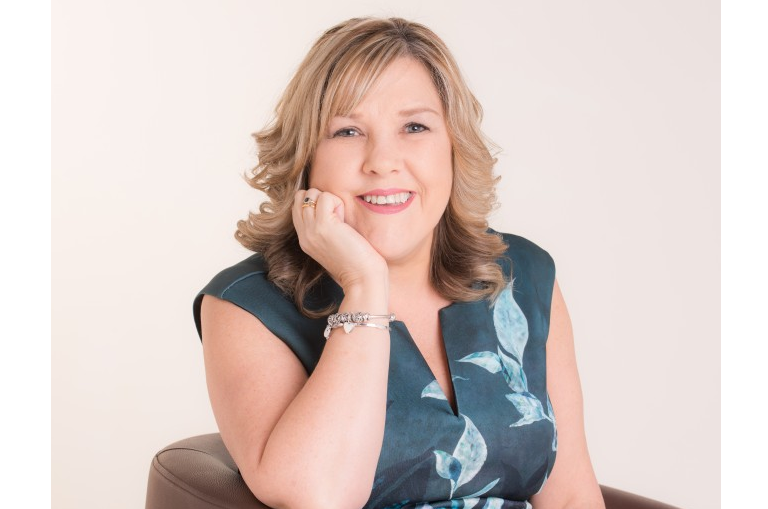
Diana Celella of Drawing Room Interiors founded her practice in 1989, leading it across multiple commercial sectors before specialising in healthcare design in 2017. She continues to focus on creating evidence-based care environments and, alongside this, is a Module Leader on the MA Interior Design programme at Arts University Bournemouth. She is also studying for an MA Creative Education and Learning Design. Diana dedicated 100 hours to CPD activities between April 2024 and March 2025.
Why do you place such importance on CPD?
Professional competence is not static. I often say to my students: imagine if a doctor qualified and then practised for 30 years without updating their knowledge - we would rightly question that. The same principle applies to interior design. Qualification is the starting point, not the endpoint.
In healthcare design particularly, our decisions affect wellbeing, safety and dignity. Evidence, regulations and materials evolve constantly, so staying current is a professional responsibility. CPD ensures that my work remains informed, defensible and ethically grounded, and that I teach from a position of relevance rather than past experience alone.
Give us some examples of the 100 hours of structured and unstructured activities you undertook?
My 100 hours of CPD covered a deliberate mix of structured and unstructured activity. Structured learning included delivering lectures as a visiting lecturer and Module Leader on the MA Interior Design programme, writing industry articles, participating in and being interviewed for professional podcasts, and engaging with formal BIID CPD recorded sessions to maintain current sector knowledge.
Unstructured activity formed an equally important strand of development, including attending trade shows and exhibitions, giving lectures at industry events, reading professional journals, and regularly listening to sector-specific podcasts such as TAD Design Podcast. This ongoing engagement ensures I remain current in healthcare design practice while also bringing contemporary, evidence-led insight into my teaching. CPD is not an isolated annual target for me - it is embedded into how I practise, teach and contribute to the profession.
Did you allocate CPD activity within core business hours? Or did it require extra-curricular commitment?
I do not ringfence CPD as a separate allocation of time because it is integral to both my design practice and my teaching. For example, when I visit a factory to see how a product is manufactured before specifying it, that process of scrutiny and learning is CPD in action - it forms part of my professional due diligence and decision-making.
Working within the healthcare sector means operating in an evidence-based design environment where research, regulation and best practice are continually evolving. Keeping up to date is not optional; it is a professional responsibility to my clients and to my students. CPD is therefore embedded into core business activity rather than treated as an extra-curricular commitment.
How has your professional offering benefitted from commitment to CPD?
My commitment strengthens both my personal credibility and the strategic value of my business. It sharpens decision-making, reduces risk when specifying products or designing for regulated environments, and allows me to justify design choices with evidence rather than opinion.
From a business perspective, it builds trust. Clients know that recommendations are informed by current research, regulation and industry dialogue, not habit. Personally, it sustains professional confidence - particularly in healthcare design, where accountability is high. It also enhances my teaching, ensuring students are exposed to contemporary thinking rather than historical practice. In that sense, CPD feeds directly into quality, reputation and long-term resilience.
Which CPD activities do you rate most highly as a valuable investment of time and energy?
The CPD activities I value most are factory visits and trade exhibitions. Seeing how products are manufactured, questioning suppliers directly and assessing materials first-hand gives a depth of technical knowledge that no brochure or webinar can replicate. In healthcare design particularly, understanding performance, durability and compliance at source is critical before specifying. I also find exhibitions valuable because they expose you to emerging materials, technologies and sector trends in a concentrated way.
However, I am selective. I do not attend or watch CPD sessions simply to accumulate hours. If an activity is not directly relevant to my design practice or professional responsibilities, I will not invest time in it. CPD should be purposeful, not performative.
Did CPD lead to new accreditations, certifications or directly measurable outcomes?
My CPD activity during this period did not result in a new formal accreditation; however, it has delivered measurable professional impact. Speaking at live trade events has led to direct approaches from potential clients and to peer recommendations within the sector, strengthening my professional visibility and contributing to an active pipeline of opportunity.
More broadly, CPD has filled knowledge gaps in evolving areas of healthcare design, particularly around materials performance, regulation and evidence-based approaches. This enhances the consultancy value I offer - enabling me to advise with authority, justify design decisions rigorously and reduce risk for clients. The return is therefore strategic: stronger positioning, greater trust and long-term business resilience.
What advice would you like to share with BIID colleagues from learnings of making best value and implementation of CPD?
I have worked as an interior designer since qualifying in 1986, and I remain genuinely curious about the industry. That curiosity is what sustains a career. CPD is not a compliance exercise; it is how you avoid becoming professionally static.
My advice to colleagues would be to approach CPD with intent. Choose learning that challenges your thinking, strengthens technical knowledge and expands your perspective. Seek out new materials, evolving research, different viewpoints and emerging sectors. If you stop learning, your work inevitably becomes repetitive. If you stay engaged, your practice continues to evolve.
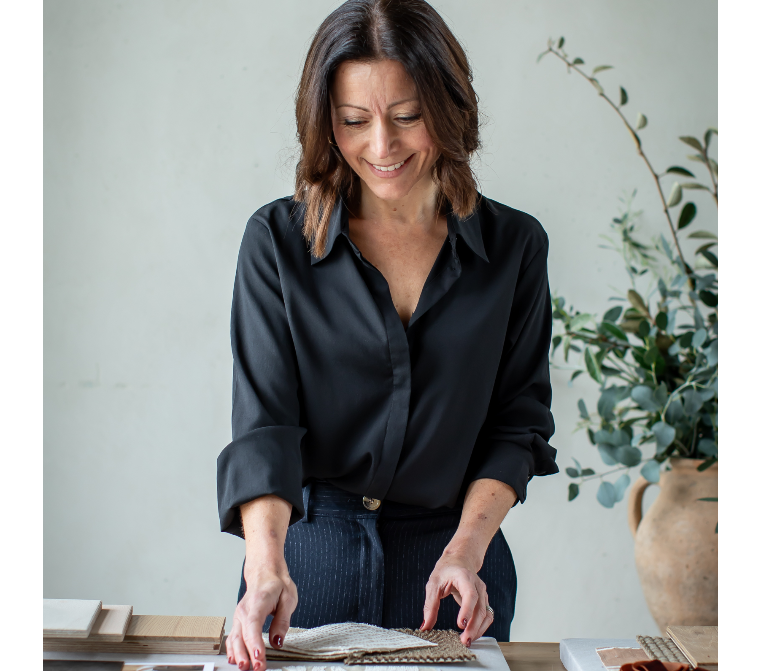
Julia Millard of Julia Millard Interior Design studied at KLC School of Design (2021–2023), undertaking the two-year part-time Diploma in Interior Design to fit alongside family life and graduating with Distinction. She founded Julia Millard Interior Design in Jan 2025, after first gaining experience in a studio environment, and became a BIID Associate member in 2025. She is currently working on a Grade II Listed Farmhouse, alongside Watershed Architecture and Barr Build, due for completion later this year, as well as the Design Development phase of an Edwardian family home renovation.
What types of structured and unstructured CPD activity have you undertaken?
On the structured side, I’ve joined several BIID webinars focused on professional practice - particularly around procurement processes, CDM regulations and ethical sourcing. As a young studio, those sessions have been incredibly helpful in reinforcing the business and compliance side of design, which is just as important as the creative aspect. I’ve also attended webinars and virtual mentoring sessions on design process, fee structure and marketing, which are invaluable when you’re building a practice.
In terms of unstructured CPD, I’m constantly listening to industry podcasts such as If These Walls Could Talk, The Interior Design Business and Business & Interiors. They offer honest insight into the realities of running a studio and help normalise the challenges we all face. I also make time to visit trade shows, supplier showrooms and regional events, organized by BIID CPD approved providers such as the Kitchen Architecture CPD. This event was hosted by (BIID Regional Ambassador) Anne Haimes Interiors in April 2025
How have you benefitted both personally and as a business from CPD?
CPD has definitely strengthened my confidence, both creatively and commercially. From a design perspective, it has deepened my understanding of the technical reasoning behind certain decisions, particularly in areas like kitchens and bathrooms where architectural co-ordination really matters. That in turn allows me to communicate more clearly with architects and contractors, and to explain decisions to clients with greater clarity.
From a business point of view, sessions around procurement and CDM have been particularly valuable. They’ve helped me structure projects more robustly and define scope more clearly from the outset - which ultimately protects both the client and the studio.
It hasn’t led to additional formal certifications beyond my BIID Associate membership, but it has absolutely filled knowledge gaps and consolidated areas where I wanted greater technical assurance.
What attracted you to attend the Kitchen Architecture CPD regional event and what did you learn?
Kitchens are often the most technically demanding spaces in a home, especially in renovation projects. I was keen to strengthen my understanding of the architectural layer behind kitchen design - not just cabinetry and finishes, but circulation, structure and services planning. The sessions explored zoning, ergonomics, services co-ordination and how kitchen design integrates with the architecture of the building as well as the engineering and production technologies behind the kitchens on display. There was a lot of useful information on finishes; the careful consideration of materiality and longevity and also discussion around how early planning decisions impact long-term functionality - something that really resonated with me.
What I found particularly valuable was not only consolidating knowledge I may instinctively apply, but also being reminded of the technical logic behind it. It strengthened my specifying confidence and reinforced the importance of early-stage planning discipline.
Were there other benefits to attending?
The event itself was a networking breakfast, followed by the learning session, which was an informative talk about the kitchens. We then had the opportunity to tour the stunning Kitchen Architecture showrooms at Brasenose Farm. These include the Bulthaup kitchens, and also their other beautiful joinery on display; dressing rooms, bars and media rooms by their joinery arm Teddy Edwards. We could also view other systems, such as the Rimadesio and bathroom fittings by Agape, too. Throughout, we could ask questions on materiality, function or any technical aspect of the designs.
I attended independently and there was a very open and collaborative feel to the session. I think, as BIID Regional Ambassador, Annie Haimes is keen to bring the local interior design community together; to create a supportive environment to enhance what is already happening in and around London. She and her team really brought everyone together. If there could be more events like this, where there is also a learning element, then that is so beneficial to everyone.
Finally, was it valuable to attend a regional CPD event? And do you have plans to attend similar sessions?
Yes, absolutely. Being able to attend a high-quality CPD event regionally made it far more accessible and, in many ways, more personal. It created space for meaningful conversation and, for those of us working outside London, regional CPD feels particularly important; it strengthens local professional networks and reinforces that rigorous professional development isn’t geographically limited. It also felt encouraging to see BIID-supported activity happening beyond the capital. As a regional studio, that sense of inclusion really matters.
I’m keen to continue building both technical and business knowledge this year and I’m particularly interested in CPD relating to sustainability and materials innovation, as well as social media strategies. One of the things I value most about this profession is that you’ve never truly “finished” learning. Each project, conversation and CPD session adds another layer of understanding - and I think that curiosity is what keeps the work both rigorous and rewarding.
Exploring the new WELL Interiors designation with IWBI Senior Vice President Ann Marie Aguilar
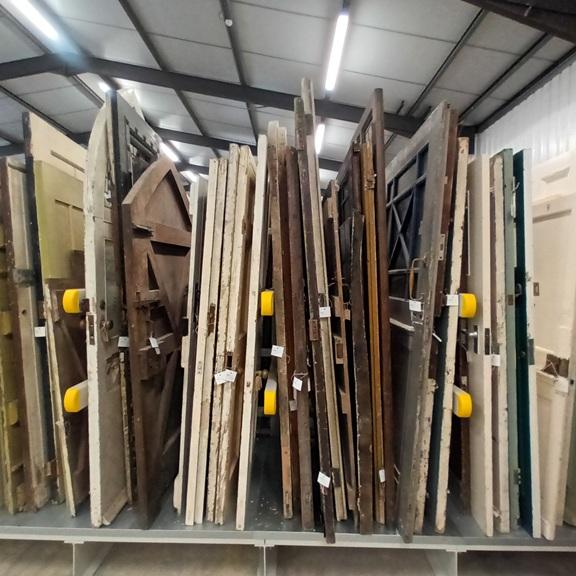
The Brooking Collection brings together architectural features spanning five centuries of British design and craftsmanship, from historic windows and doors to staircases and decorative ironwork.

We're looking for BIID Registered Interior Designer® to volunteer as mentors for our Student Design Challenge this November
Mark Lissauer of Christopher Hyde Lighting on the enduring appeal of classic lighting
Sam Fisher, Event Director of Decorex, explains what visitors can expect at this year’s show

Practical guidance to support more responsible choices across the design and construction industries