
Could You Impact The Future Of Furniture Legislation?
The Government is seeking your views on changes to fire safety regulation
Context
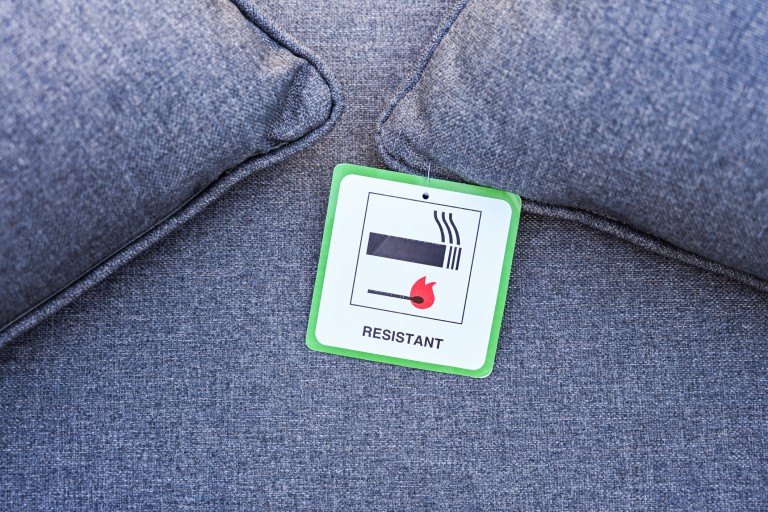
The current Furniture and Furnishings (Fire) (Safety) Regulations 1988, followed regulations introduced in 1980. Fire-related deaths had doubled in the previous decade as people slowly became aware of how easily the new polyurethane foam filled furniture was ignited, typically with smoker’s materials. In recent years, questions have been raised about the continued need for these materials, taking into account changing lifestyles and the uncertainty surrounding the long-term health impacts of chemical flame retardants.
Last year, baby products were removed from the 1988 fire safety regulations. This was an evidence based decision that took into account the vulnerability of young children regarding fire retardant dust against the actual risk of ignition.
The Government has now launched a consultation on proposed policy reforms. Interested parties are encouraged to respond by 23rd June.
The proposal
The consultation sets out the Government’s plans to:
- Introduce new furniture fire-safety requirements based on a smoulder test and ending mandatory open-flame testing.
- Provide manufacturers with flexibility by allowing compliance through either component or composite testing.
- Remove re-upholstery and repair and second-hand furniture from the scope of sector regulations to be regulated by the General Product Safety Regulations instead.

Statement from Mathew Freeman
Mathew Freeman has represented BIID interests on the FW/6 committee and said the following on why you should respond:
"Regulation should reflect modern living environments and the advances in homes since the 1980s, including the significant increase in smoke detectors, the reduction in indoor smoking, stronger building safety regulations and a substantial decline in open flame heat sources used to warm homes. As a result, the open-flame test has diminishing relevance, whereas a smoulder test better reflects contemporary fire risk and aligns the UK with regulatory approaches in Europe and the US.
In representing members on the FW/6 committee, I have used the BIID Sustainable Specifiers Guide to support advocacy for maintaining fire safety while also enabling furniture reuse, repurposing, recycling and responsible end-of-life processing. Minimising the use of chemical flame retardants ensures that more materials can remain within the circular economy, rather than being sent to landfill or incinerated.
When specifying upholstered furniture, we prioritise low-toxicity materials, using natural materials wherever possible to reduce smoke toxicity and improve the chances of escape for those caught in a fire.
It is also important that everyday use of our homes does not expose occupants to harmful chemicals emitted into the air, deposited on surfaces, accumulated in dust, or inhaled, which have been associated with infertility, developmental issues and cancer."
How To Respond
For designers with an interest in contributing their opinions, the Gov. consultation can be found online here.
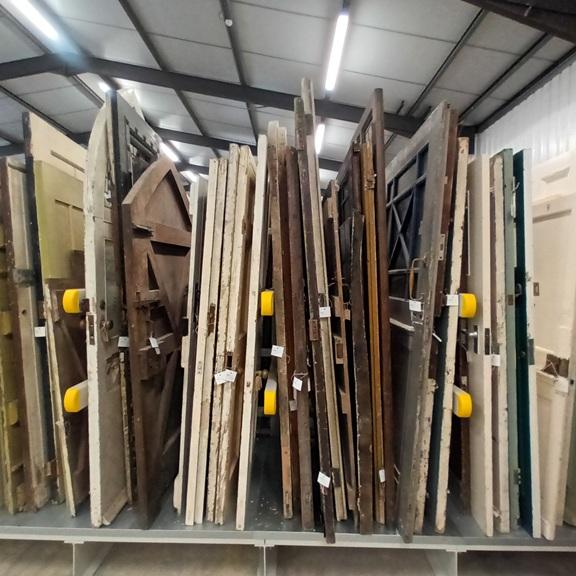
The Brooking Collection brings together architectural features spanning five centuries of British design and craftsmanship, from historic windows and doors to staircases and decorative ironwork.

We're looking for BIID Registered Interior Designer® to volunteer as mentors for our Student Design Challenge this November
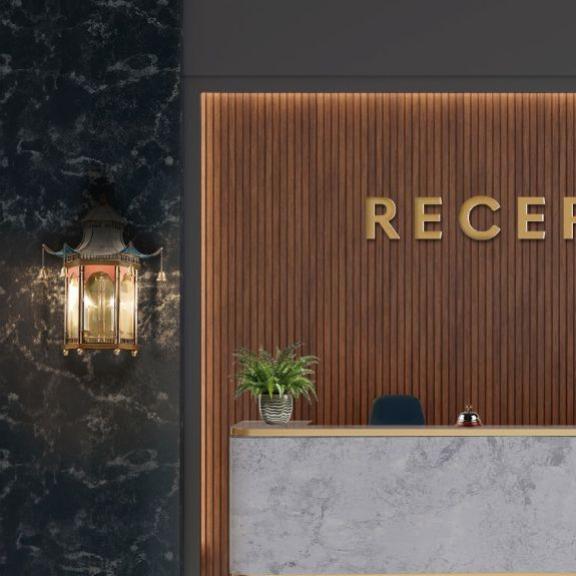
Mark Lissauer of Christopher Hyde Lighting on the enduring appeal of classic lighting

Sam Fisher, Event Director of Decorex, explains what visitors can expect at this year’s show
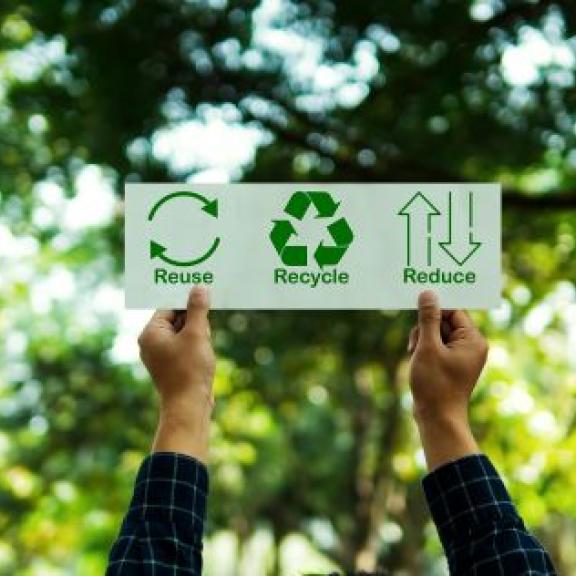
Practical guidance to support more responsible choices across the design and construction industries

We hear from BIID Awards Headline Sponsor Havwoods on the materials, textures and influences shaping interiors