
WELL Interiors: What Could It Mean for Interior Designers?
Exploring the new WELL Interiors designation with IWBI Senior Vice President Ann Marie Aguilar

As health and well-being become increasingly important considerations in interior design, new frameworks are emerging to help designers incorporate these principles into their projects.
We spoke to Ann Marie, Senior Vice President at the International WELL Building Institute (IWBI), to learn more about WELL Interiors, a new designation currently in development, and what it could mean for interior designers.
What is the International WELL Building Institute? (IWBI)
As human-centred design continues to redefine the built environment, a major evolution in health and well-being frameworks is taking shape to bolster the efforts of the Architecture and Design community.
Recognising this transformative shift in the way our spaces are designed to prioritise people, the International WELL Building Institute (IWBI) is working to develop a new WELL designation, based on the WELL Standard. It will be tailored specifically to how interior spaces are designed to support health and well-being. By focusing on the physical elements of a space—from furniture specifications to material health—this new designation will empower interior designers, architects and design-build firms with strategies to ensure health-centric design is a core, protected component of every project.
By prioritising the first phase of a project's lifecycle (i.e., interior design and construction), it validates human-centred innovation as a standalone achievement, while eliminating the need for broader operational coordination like HR policies or post-occupancy performance testing.
How is WELL Interiors tailored to the Interior Scope?
Historically, full building certifications have presented scope-related challenges for interior projects. The WELL Interiors designation removes these operational barriers, focusing exclusively on physical interior elements that fall directly under the design team’s purview and contractual control.
In doing so, this new designation creates a streamlined, design-focused entry point into the WELL ecosystem. The framework draws on strategies across all 10 core WELL concepts, with deep emphasis on Materials, Light, Sound and Movement. Crucially, this designation does not require that any mandatory preconditions be met, giving design teams complete flexibility to tailor the scope to each client’s budget and aspirations.
"For interior designers, having a framework that maps directly onto our day-to-day documentation would be a game changer. It provides evidence-based legitimacy that allows us to speak confidently about health and human performance. Most importantly, it helps us protect our health-focused material selections from being value-engineered out during late-stage budget cuts."
Timna Rose, WELL AP and British Institute of Interior Design (BIID) member.
What is the Business Case: Measurable Value and Protection?
Securing client commitment to a health-focused designation early in the design phase establishes third-party backing that safeguards quality specifications. Beyond protecting design intent, the financial returns of health-centric interiors are well documented:
- Productivity Gains: Studies demonstrate that biophilic design features can boost productivity by more than $36,000 per employee per year, while active acoustic treatment systems reduce employee time wasted by 55%.
- Occupant Satisfaction: Research shows that WELL Certified spaces improve overall occupant satisfaction by nearly 30%.
- Asset Value: Commercial spaces with high levels of daylight and more biophilia, based on high Green View Index scores, command rent premiums between 5-6% and 5.6-7.8%, respectively.
How is WELL Interiors Shaping the Future?
To ensure the designation seamlessly fits real-world practice, IWBI has convened the WELL Interiors Working Group. This 12-month advisory body brings together a diverse group of professionals from around the globe, including designers, engineers, lighting specialists, acousticians and real estate experts, alongside leading global firms.
The Working Group is preparing for its next meeting later this year to continue refining the designation.
How can you express your Interest in WELL Interiors?
As IWBI prepares to preview and launch this new designation, we encourage BIID members to get involved. Whether you design commercial workplaces, hospitality venues or corporate fit-outs, a WELL Interiors designation offers an unprecedented opportunity to scale your design impact.
BIID members interested in learning more are invited to express their interest by completing this form.

Exploring the new WELL Interiors designation with IWBI Senior Vice President Ann Marie Aguilar
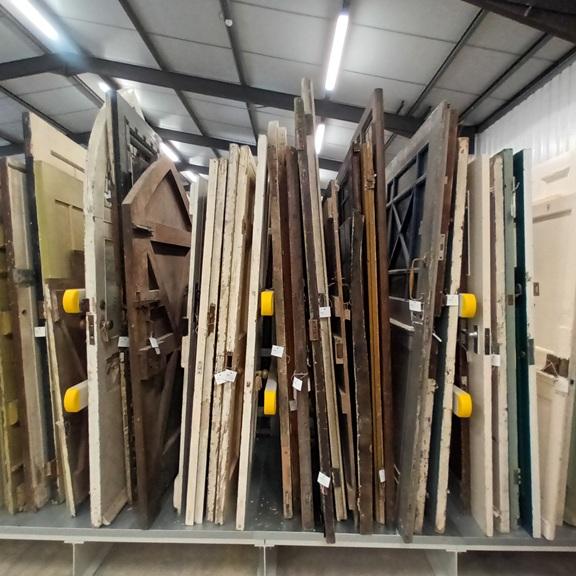
The Brooking Collection brings together architectural features spanning five centuries of British design and craftsmanship, from historic windows and doors to staircases and decorative ironwork.

We're looking for BIID Registered Interior Designer® to volunteer as mentors for our Student Design Challenge this November
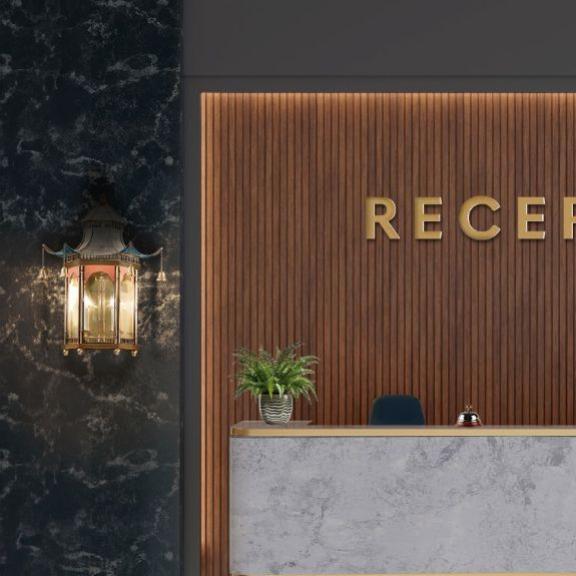
Mark Lissauer of Christopher Hyde Lighting on the enduring appeal of classic lighting

Sam Fisher, Event Director of Decorex, explains what visitors can expect at this year’s show

Practical guidance to support more responsible choices across the design and construction industries