
Essential Business Safeguards For Interior Designers
Protect your practice by reviewing the essential legal requirements and professional safeguards every interior design business should have in place

Running a successful interior design business is about far more than creating exceptional spaces. Every project brings responsibilities, from managing client expectations and coordinating contractors to handling personal data and meeting legal obligations. With so many stakeholders involved, even a well-managed project can occasionally lead to disagreements or complaints if expectations differ or something goes wrong.
Some of the measures that protect your business are legal requirements, while others are considered best practice. Together, they help demonstrate professionalism, reduce risk and provide clarity for everyone involved.
Here are some key areas every interior design business should review.
Make sure your business information is compliant
If you operate as a limited company, there are certain details you are legally required to make publicly available. This includes displaying your registered company name and company registration number on your website and business correspondence, in line with Companies House requirements.
It is worth reviewing your website regularly to ensure this information is accurate and up to date. It's easy to overlook small administrative details like this, but it's important to remain compliant.
Have clear terms and a signed contract
No business owner wants to be involved with a lengthy dispute that impacts on time, resources, and potentially brand reputation. One of the simplest ways to reduce the risk of disputes is to ensure every project begins with a clear, written agreement.
Your contract should define exactly what services are included, what falls outside the agreed scope, payment terms, timescales, responsibilities, and how changes to the project will be managed. Having these conversations at the outset can help prevent misunderstandings later.
Most importantly, make sure the contract is signed before work begins. A well-drafted agreement protects both you and your client and provides a clear point of reference throughout the project.
Put a complaints procedure in place
No designer starts a project expecting something to go wrong, but having a complaints procedure is an important part of good business practice.
A clear process gives clients confidence that concerns will be handled fairly and professionally. It also provides your business with a structured approach to resolving issues before they escalate into formal disputes or legal claims.
Even if you have never received a complaint, having a documented procedure demonstrates professionalism and preparedness.
Protect client data
Interior designers routinely collect personal information, whether that is contact details, project addresses or financial information. This means you have responsibilities under UK data protection legislation.
A clear Privacy Policy explains what information you collect, why you collect it, how it is stored and how it is used. It also reassures clients that their personal information is being handled responsibly.
If your website uses cookies or collects information through contact forms, make sure these are also compliant with current data protection requirements.
Review your insurance cover
Insurance is one of the most important safeguards for any design business. While the type of cover you need will depend on the services you provide, there are two policies that many interior designers should consider.
Professional indemnity insurance helps protect you if a client alleges that your professional advice, specification or design work has caused them financial loss. Visit the Member Area for details of the Professional Indemnity Insurance Scheme for BIID members.
Public liability insurance provides protection if someone is injured or property is damaged in connection with your business activities, such as during site visits or project installations.
Some clients may require specific levels of insurance before appointing you, so it is worth checking that your cover remains appropriate as your business grows.
Keep accurate project records
Good record keeping is often overlooked until it becomes essential.
Keeping written records of client instructions, design approvals, specification changes and key decisions creates an audit trail should questions arise later. Email correspondence, meeting notes and documented sign-offs can all help demonstrate what was agreed at each stage of a project.
Maintaining organised project records is not only good business practice but can also prove invaluable if a dispute arises.
Review your business regularly
Businesses evolve over time. Services expand, regulations change and new responsibilities emerge. Something that was compliant two years ago may no longer reflect current requirements or best practice.
Setting aside time to review your contracts, policies, insurance, website and business documentation each year can help identify gaps before they become problems. It is often far easier to make small improvements proactively than to respond after an issue has occurred.
Building a resilient business
Professional standards are about more than meeting legal obligations. They help build trust with clients, demonstrate credibility and provide reassurance that your business operates responsibly.
Taking time to ensure your contracts are robust, your policies are up to date, your insurance is appropriate and your legal obligations are being met can significantly reduce the likelihood of future problems. While no business can eliminate every risk, putting these foundations in place will help ensure your interior design practice is as healthy, resilient and protected as possible.
Help with business admin
Don't forget that BIID professional members can access a wide range of templates in the Member Area. These are designed to save time and help with business processes. Having robust administrative systems in place makes compliance easier.
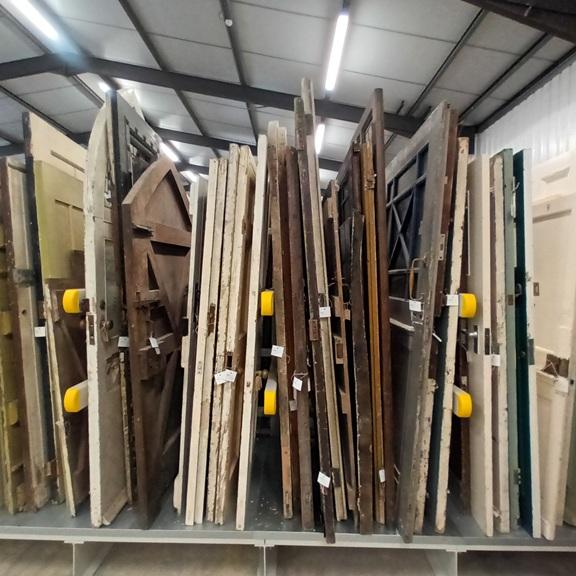
The Brooking Collection brings together architectural features spanning five centuries of British design and craftsmanship, from historic windows and doors to staircases and decorative ironwork.

We're looking for BIID Registered Interior Designer® to volunteer as mentors for our Student Design Challenge this November
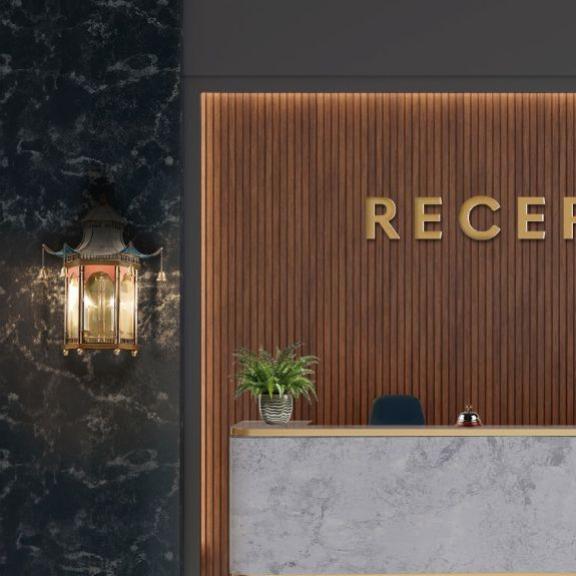
Mark Lissauer of Christopher Hyde Lighting on the enduring appeal of classic lighting

Sam Fisher, Event Director of Decorex, explains what visitors can expect at this year’s show

Practical guidance to support more responsible choices across the design and construction industries

We hear from BIID Awards Headline Sponsor Havwoods on the materials, textures and influences shaping interiors